
What this site is
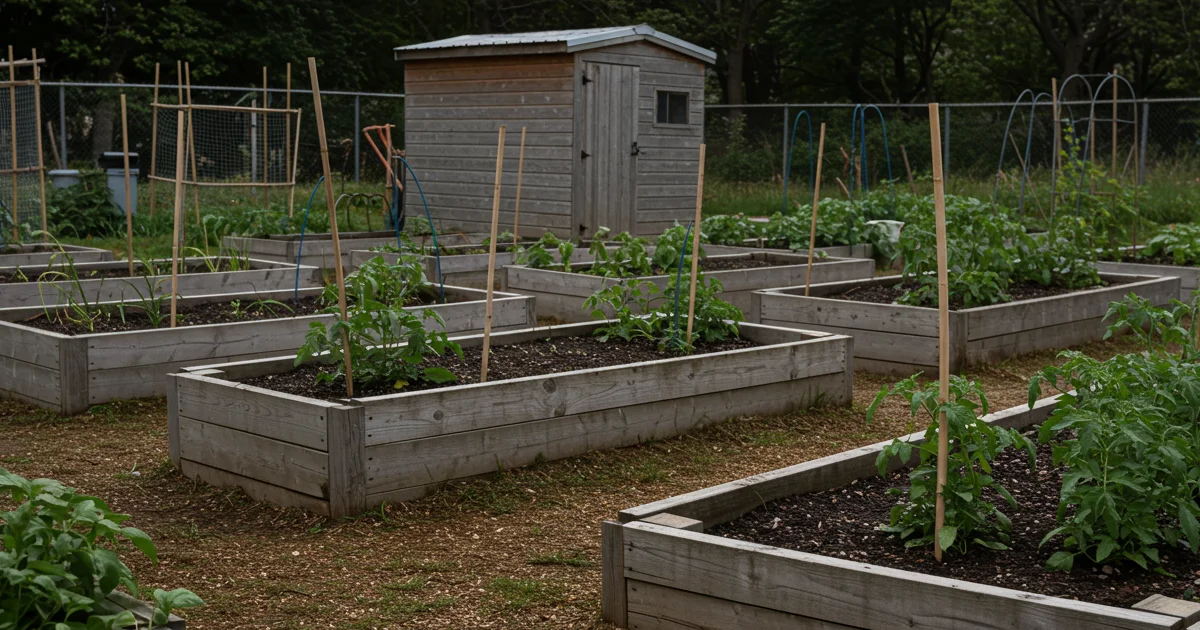
Civic directories fail when data lives in scattered PDFs. A garden catalog with honest waitlist notes and map pins becomes a service residents bookmark.
How the catalog is organized
Facets: locality, water, tool-share, ADA notes, waitlist status tags. Plot counts quantitative when known. Maps required. CTAs to application forms. Compare off.
Why nonprofits and civic technologists choose HVCE
Mission-driven sites still need crawlability and mobile speed. Low hosting cost matters. SEO is a civic discovery channel, not vanity traffic.
Related surfaces
Food/outdoor overlap with hvce site county farmers market directory and hvce site neighborhood dog park finder. Multi-niche civic portals can nest this dataset.
What ships with every page
Every listing profile is crawlable HTML with its own metadata, place-aware structured data aligned to the visible record, and a clean text twin for answer engines—so local directories stay organized for visitors and legible for search and AI systems.
Buyer takeaway
Community garden plot directory is a concrete niche an nonprofit can scope, price, and ship as a catalog website: faceted organization, crawlable entity URLs, and AI-readable twins without rebuilding a heavy application for every client. Keep attribute data honest, write answer-first summaries, and measure page speed on your own host before quoting scores. When stakeholders ask why not a spreadsheet or a one-off brochure site, show a live profile, a filtered listing, and the discovery files—then point them at licensing.
Metrics
| Typical Catalog Size | 200 entities |
|---|---|
| Profile Depth Score | 3 |
| Facet Dimensions | 5 |
Descriptors
| Primary Monetization | sponsorship |
|---|---|
| Discovery Surfaces | geo-heavy |
| Map Suitability | required |
| Compare Suitability | off |
| Delivery Mode | static |
| Buyer Persona | nonprofit |
| Overlap Cluster | local-services |
Frequently asked questions
Should waitlists be live?
Publish status tags you update on a schedule; do not fake real-time inventory.
Who buys this build?
Nonprofits, sustainability offices, and agencies with civic retainers.
SEO value?
Neighborhood + garden long-tails and seasonal discovery content hubs.
Accessibility notes?
Include ADA-related tags only when verified for each site.
Hosting budget?
Static export keeps civic projects on minimal infrastructure.
Related in this catalog
-
Regional trailhead access directory
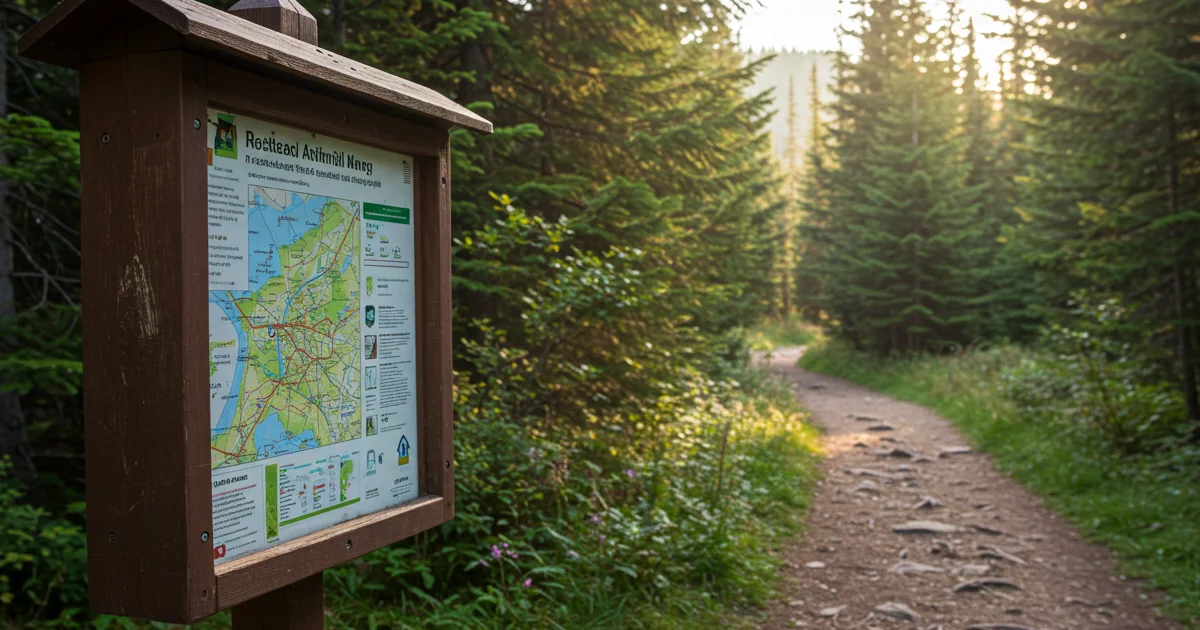
A regional trailhead access directory lists trail starts with difficulty, parking notes, and seasonal access flags. HVCE publishes each trailhead as a map-ready, FAQ-rich profile—so outdoor publishers and agencies can own adventure long-tail search while keeping pages light enough for mountain mobile reception.
-
Historic theater venue directory
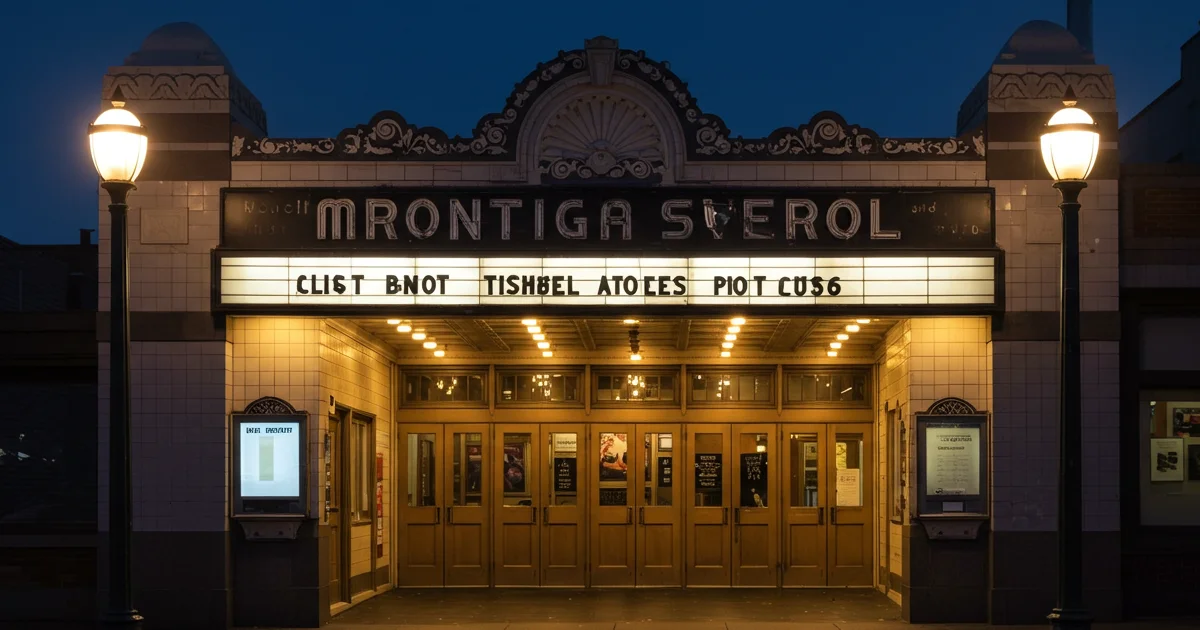
A historic theater venue directory catalogs performance houses by era, capacity bands, and district. HVCE ships venue profiles with maps and cultural FAQs—so arts publishers, tourism partners, and agencies can turn architectural heritage into programmatic SEO assets that still feel editorial.
-

Airport-area hotel and transit directory
An airport-area hotel and transit directory organizes layover lodging and ground transport options by terminal access and amenity tags. HVCE publishes each property as a fast travel profile with maps and CTAs—so travel publishers and developers can capture high-intent airport long-tails without operating a full booking engine.
-

Metro HVAC contractor directory
A metro HVAC contractor directory is a place-led catalog of licensed service businesses that homeowners and facility managers filter by locality, specialty, and coverage. HVCE turns each contractor into a crawlable profile with typed attributes, optional map context, and lead CTAs—so agencies and local publishers ship programmatic local SEO without standing up a heavy application stack.