
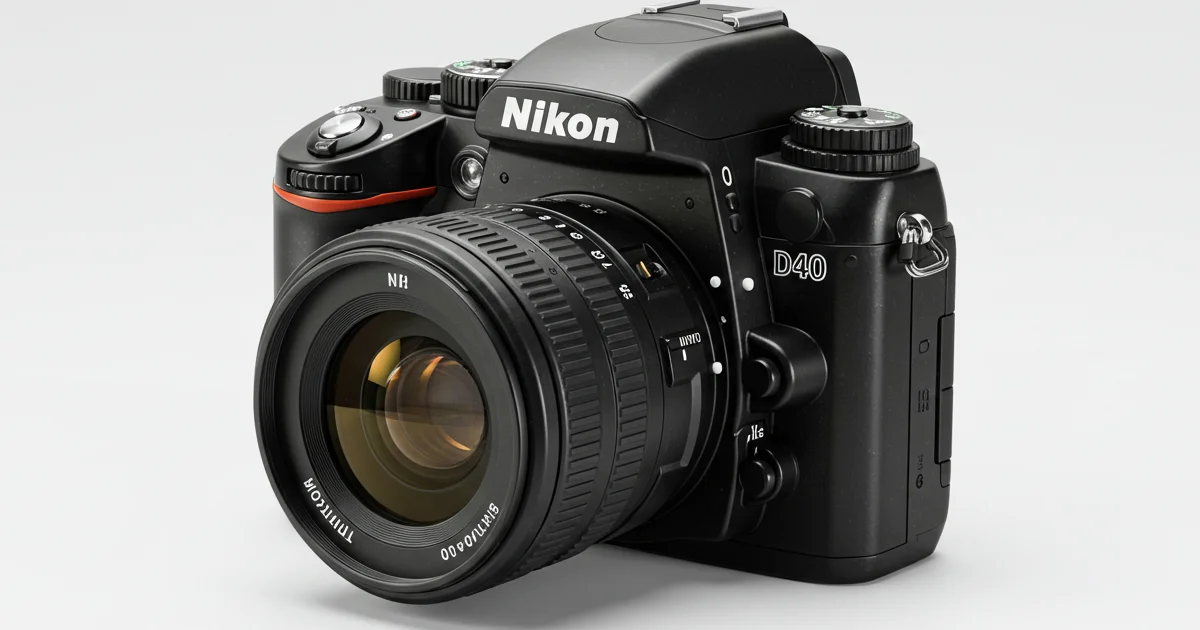
Photographers working with the D40 appreciate its immediate handling and responsive shutter, which fires from 30 seconds to 1/4000 second with flash sync at 1/500, allowing quick transitions between ambient-light portraits and fill-flash scenes without menu diving. The 6-megapixel DX-format sensor captures images at 3008 × 2000 pixels, producing files that scale comfortably to 8×10 prints and web galleries while keeping file sizes manageable for extended shooting days. The camera's 2.5 fps continuous rate supports deliberate shooting rhythms suited to portraiture, event coverage, and documentary work where timing matters more than burst depth.
The optical viewfinder offers 95% frame coverage with 0.8× magnification and an 18 mm eyepoint, providing a clear view for composing and tracking subjects in real time without the lag or battery drain of electronic displays. The 2.5-inch rear screen, with its 320 × 240 RGB LCD, delivers straightforward image review and menu navigation under most lighting conditions. Together, these elements create a focused shooting experience that prioritizes the viewfinder and encourages photographers to engage directly with their subjects.
Powered by the EN-EL9 battery, the D40 supports extended shooting sessions typical of family events, travel days, and classroom assignments without frequent recharging interruptions. SDHC card compatibility ensures broad storage options and straightforward file transfer workflows. At 520 grams with battery and measuring 126 × 94 × 64 mm, the body balances comfortably in hand for all-day carry, whether paired with compact primes or moderate zooms on the Nikon F-mount.
The native ISO range of 200-1600 covers typical daylight, indoor, and low-light scenarios encountered in everyday photography, from outdoor portraits to dimly lit interiors. The D40's design emphasizes essential controls and reliable metering, allowing photographers to concentrate on composition, light, and moment rather than navigating complex feature sets. This clarity of purpose has made the camera a lasting tool for learning exposure fundamentals and building a disciplined approach to image-making.
Metrics
| Release Year | 2006 |
|---|---|
| ISO | 200 - 1600 · 3200 ISO |
| FPS | 2.5 · 5/100 fps |
| Weight | 520 g |
Descriptors
| Sensor | 6MP · DX · 3008 × 2000 MP |
|---|---|
| Shutter | 30 - 1/4000 · 1/500 |
| Finder | 95% · 0.8× · 18 mm |
| Screen | 2.5" · 320 x 240 · RGB |
| Storage | SDHC |
| Size | 126 × 94 × 64 mm |
| Battery | EN-EL9 · 470 / 2200 |
Frequently asked questions
What continuous shooting speed does the D40 offer?
The D40 shoots at 2.5 frames per second in continuous mode, a pace well-suited to portrait sessions, event documentation, and deliberate action sequences where timing and composition take priority over high-speed bursts.
Who is the Nikon D40 designed for?
The D40 serves photographers seeking a lightweight, straightforward digital SLR for learning exposure and composition fundamentals, family documentation, travel photography, and as a compact backup body for professionals working within the Nikon F-mount system.
What storage and battery does the D40 use?
The D40 records to SDHC cards, providing broad compatibility and affordable storage expansion. It is powered by the EN-EL9 battery, which supports extended shooting sessions typical of day-long events and travel without frequent recharging.
What viewfinder does the D40 provide?
The D40 features an optical viewfinder with 95% frame coverage, 0.8× magnification, and an 18 mm eyepoint, delivering a clear, real-time view for composing and tracking subjects without electronic lag or battery consumption.
How much does the Nikon D40 weigh?
The D40 weighs 520 grams with battery and measures 126 × 94 × 64 mm, making it one of the lighter digital SLRs in the Nikon lineup and comfortable for all-day handheld shooting with compact lenses.
What sensor and ISO range does the D40 have?
The D40 uses a 6-megapixel DX-format sensor capturing images at 3008 × 2000 pixels, with a native ISO range of 200-1600 that covers typical daylight, indoor, and low-light shooting scenarios for portraits, events, and travel photography.
Related in this catalog
-
Nikon D70S
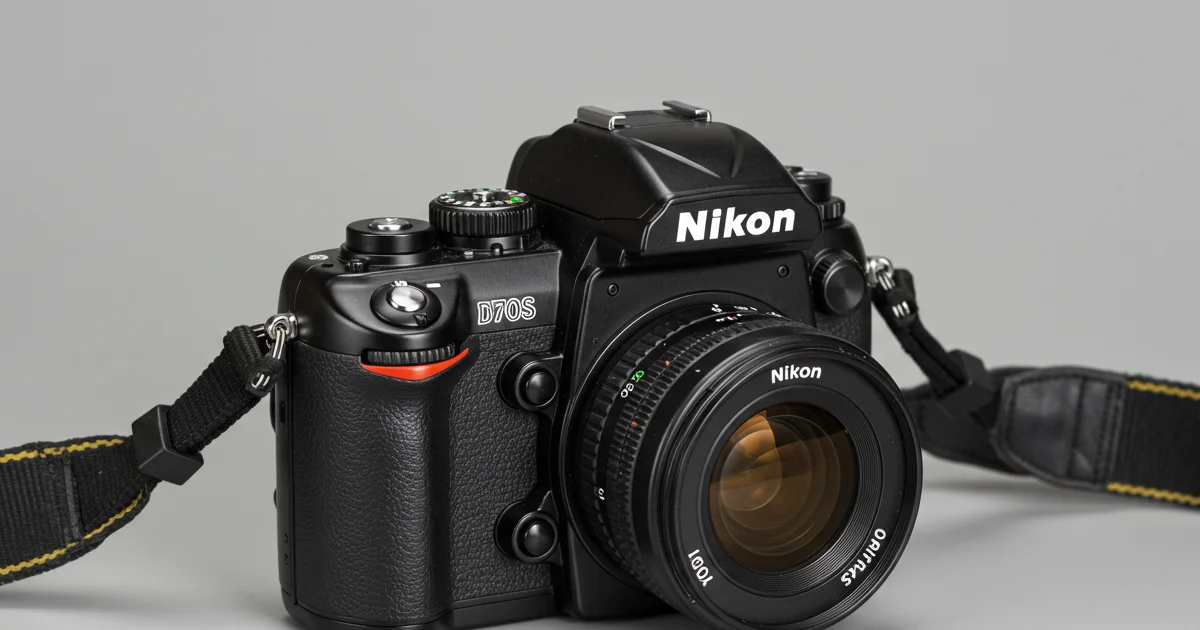
Released in 2005, the Nikon D70S brought refined control and reliable performance to the enthusiast DSLR market. Its 6-megapixel DX sensor delivers clean files well-suited to both print and web delivery, while the 3 fps frame rate supports steady documentary and portrait work. The compact 685 g body pairs excellent ergonomics with the versatility of the Nikon F-mount system, making it a capable tool for photographers building their skills across multiple genres.
-
Nikon D2XS
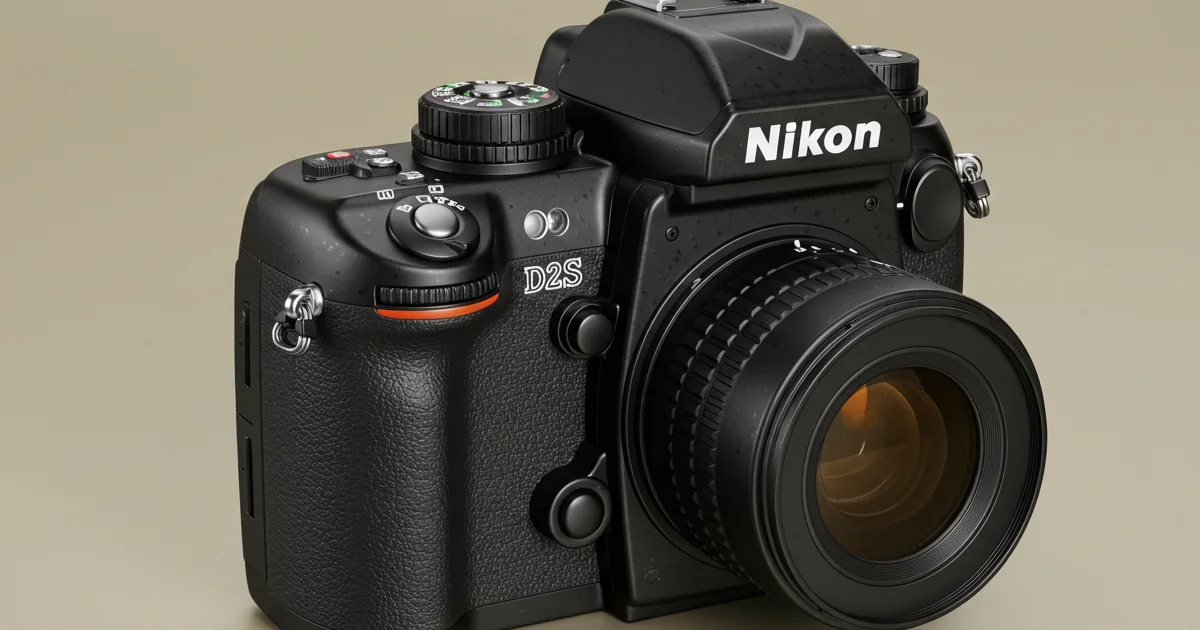
The Nikon D2XS, released in 2006, combines a 12-megapixel DX-format sensor with dual shooting modes delivering either 5 fps at full resolution or 8 fps in crop mode, providing working professionals with versatile capture options for editorial, commercial, and event photography. Its magnesium alloy construction, 100% viewfinder coverage, and proven EN-EL4a battery system deliver the reliability required for extended assignments. The refined autofocus algorithms and improved LCD screen build upon the D2X foundation while maintaining compatibility with decades of Nikon F-mount glass.
-
Nikon D80
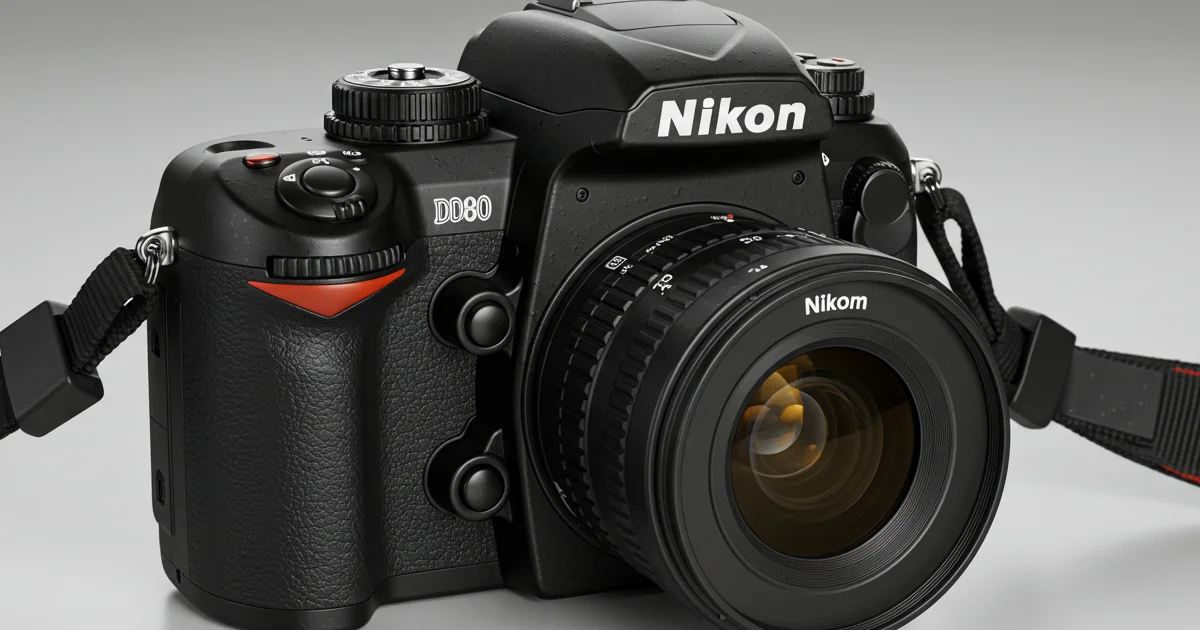
Released in 2006, the Nikon D80 brought 10-megapixel resolution and refined handling to Nikon's mid-range lineup. Its 3 fps shooting speed and ISO 100-1600 range made it a versatile tool for wedding photographers and travel documentarians who valued image quality and reliable performance. The 2.5-inch LCD screen and SDHC card support reflected the evolving digital workflow of the era, while the bright 0.94× viewfinder provided confident composition in varied shooting conditions.
-
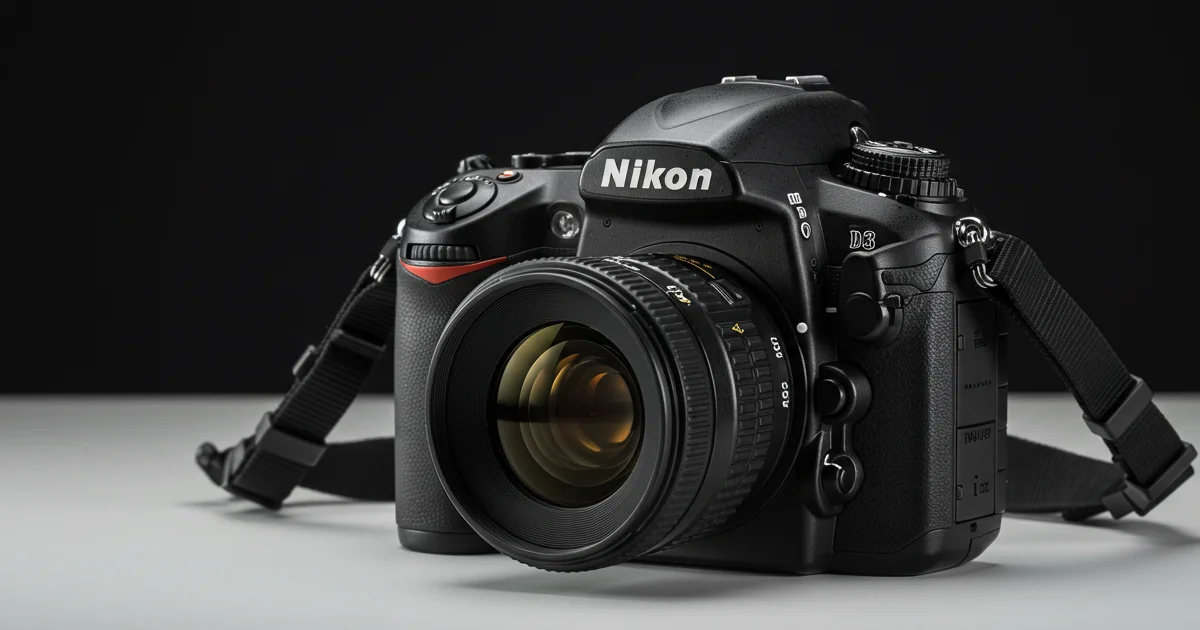
Nikon D3
The Nikon D3, released in 2007, established a new benchmark for professional digital photography with its 12-megapixel FX-format sensor and 9-11 fps continuous shooting capability. Its native ISO range of 200-6400 and dual CF card redundancy addressed the workflow demands of photojournalists, sports photographers, and wedding professionals working in challenging lighting conditions. The 100% viewfinder coverage and robust 1430 g magnesium alloy construction delivered the reliability and handling precision required for mission-critical assignments.