
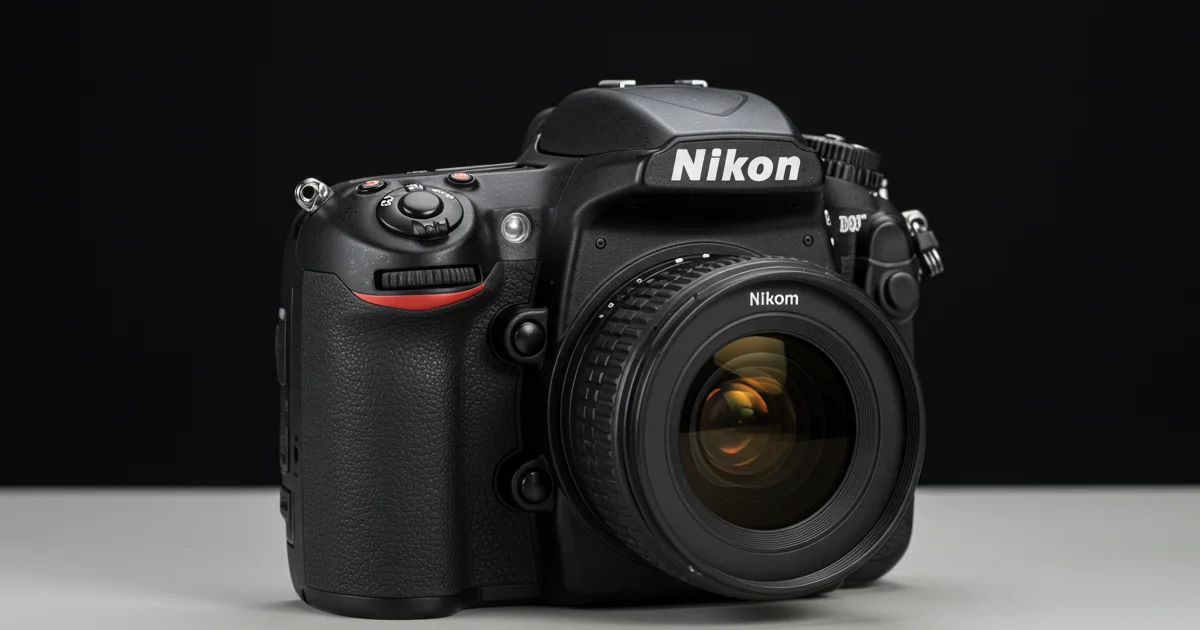
The 36-megapixel FX-format sensor inside the D800 redefined resolution expectations for full-frame DSLRs, capturing 7360 × 4912 pixel images with exceptional detail and tonal depth that met the demands of commercial, landscape, and fine-art photographers who previously looked to medium-format systems. This sensor worked across an ISO 100-6400 native range, delivering clean files with impressive dynamic range for studio lighting, natural landscapes, and architectural assignments where maximum detail extraction was paramount.
The dual-slot storage system accepted both CompactFlash and SDXC cards, enabling photographers to configure backup recording, overflow capture, or format separation workflows that protected high-resolution files during critical shoots. The EN-EL15 battery provided reliable power for extended sessions, while the camera's 30-second to 1/8000-second shutter range and 1/250-second flash sync accommodated both long-exposure landscape work and studio strobe setups. The 200,000-cycle shutter mechanism reflected build quality suited to professional production volumes.
The optical viewfinder delivered 100% frame coverage with 0.7× magnification and 17 mm eye point, giving photographers accurate composition control when working with the camera's high-resolution files where precise framing mattered most. The 3.2-inch rear screen displayed 640 × 480 RGB pixels for image review and menu navigation. At 146 × 123 × 82 mm and 1000 g, the body provided substantial handling that balanced the larger F-mount lenses often paired with high-resolution capture.
Continuous shooting at 4 fps suited the deliberate pacing of studio portraiture, product photography, and landscape bracketing sequences where resolution took priority over burst speed. Full compatibility with E, AF, and AI-series lenses preserved decades of Nikon glass investment, allowing photographers to pair classic optics with modern sensor technology. The D800's combination of exceptional resolution, proven F-mount versatility, and professional build quality made it a compelling choice for image-makers who valued detail capture and print quality above all else.
Metrics
| Release Year | 2012 |
|---|---|
| ISO | 100 - 6400 · 50 - 25600 ISO |
| FPS | 4/6 · 17/100 fps |
| Weight | 1,000 g |
Descriptors
| Sensor | 36MP · FX · 7360 × 4912 MP |
|---|---|
| Shutter | 30 - 1/8000 · 1/250 · 200K |
| Finder | 100% · 0.7× · 17 mm |
| Screen | 3.2" · 640 x 480 · RGB |
| Storage | CF, SDXC |
| Features | E, AF, AI |
| Size | 146 × 123 × 82 mm |
| Battery | EN-EL15 · 900 / 2400 · MB-D12 |
Frequently asked questions
What ISO range does the D800 sensor offer?
The D800's 36-megapixel FX sensor operates across a native ISO 100-6400 range, delivering clean files with excellent dynamic range for studio, landscape, and commercial work where detail and tonal depth are priorities.
What memory cards and battery does the D800 use?
The D800 features dual card slots accepting CompactFlash and SDXC media for backup or overflow recording. It is powered by the EN-EL15 rechargeable battery, providing reliable performance for extended shooting sessions.
How fast can the D800 shoot continuously?
The D800 captures at 4 fps in continuous shooting mode, a deliberate pace suited to studio portraiture, product photography, and landscape bracketing where the camera's 36-megapixel resolution takes priority over burst speed.
How much does the D800 weigh and what are its dimensions?
The D800 measures 146 × 123 × 82 mm and weighs 1000 g body-only, providing substantial handling that balances well with larger F-mount lenses often used for high-resolution capture work.
What kind of viewfinder does the D800 have?
The D800 features an optical viewfinder with 100% frame coverage, 0.7× magnification, and 17 mm eye point, delivering accurate composition control essential when working with high-resolution files where precise framing matters most.
Who is the D800 best suited for?
The D800 serves landscape, commercial, studio, and fine-art photographers who prioritize maximum resolution and detail capture, offering 36 megapixels of image quality with full access to Nikon's F-mount lens system and professional build durability.
Related in this catalog
-
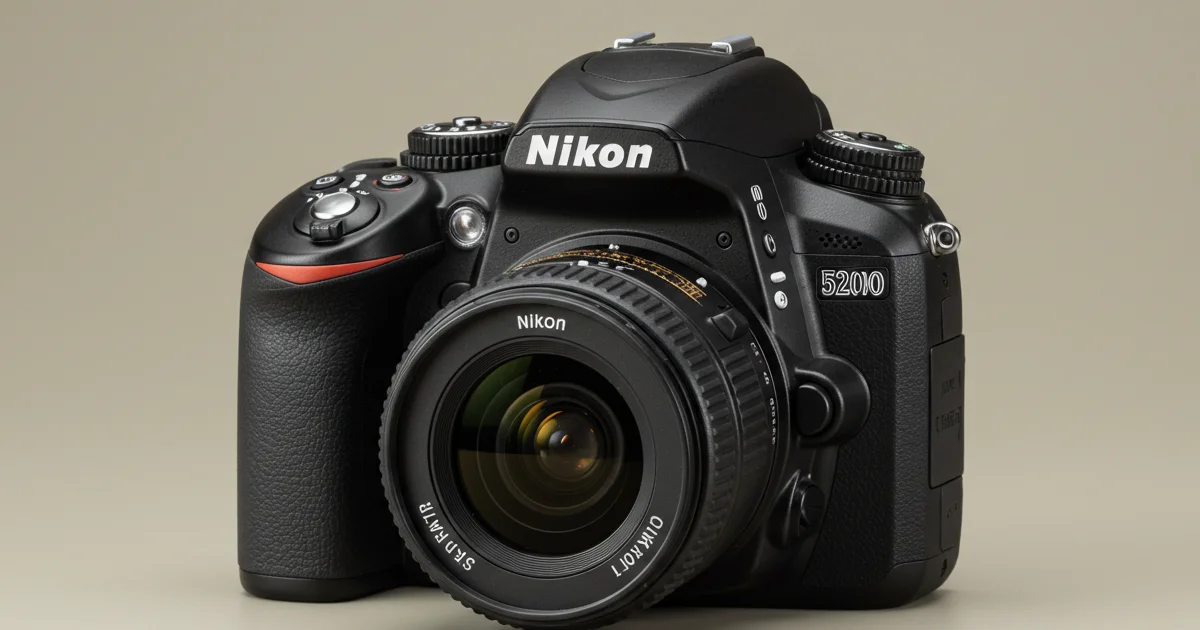
Nikon D5200
Released in 2012, the Nikon D5200 brought 24-megapixel resolution to Nikon's upper entry-level lineup, delivering detailed 6000 × 4000 pixel images with ISO 100-6400 sensitivity. The articulated 3-inch screen and compact 555 g body made it a versatile choice for photographers seeking high resolution in a portable package. Its combination of sensor performance and ergonomic flexibility continues to serve photographers working across diverse shooting conditions.
-
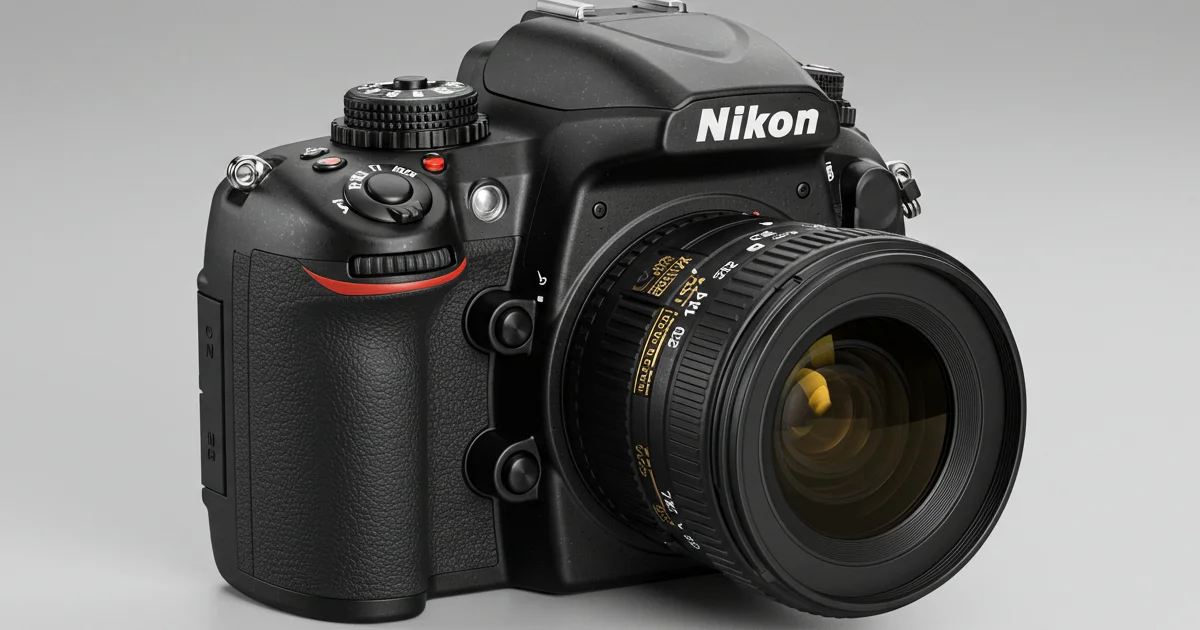
Nikon D600
Released in 2012, the Nikon D600 brought full-frame imaging to a wider range of working photographers with its 24-megapixel FX sensor and dual SDXC card slots in an 850-gram body. Shooting at 5.5 frames per second with a 100% viewfinder and compatibility across Nikon's F-mount lens library, it delivered professional image quality for editorial, portrait, and event assignments. The combination of FX resolution and accessible ergonomics made it a practical choice for photographers transitioning to full-frame or seeking a lighter backup to flagship bodies.
-
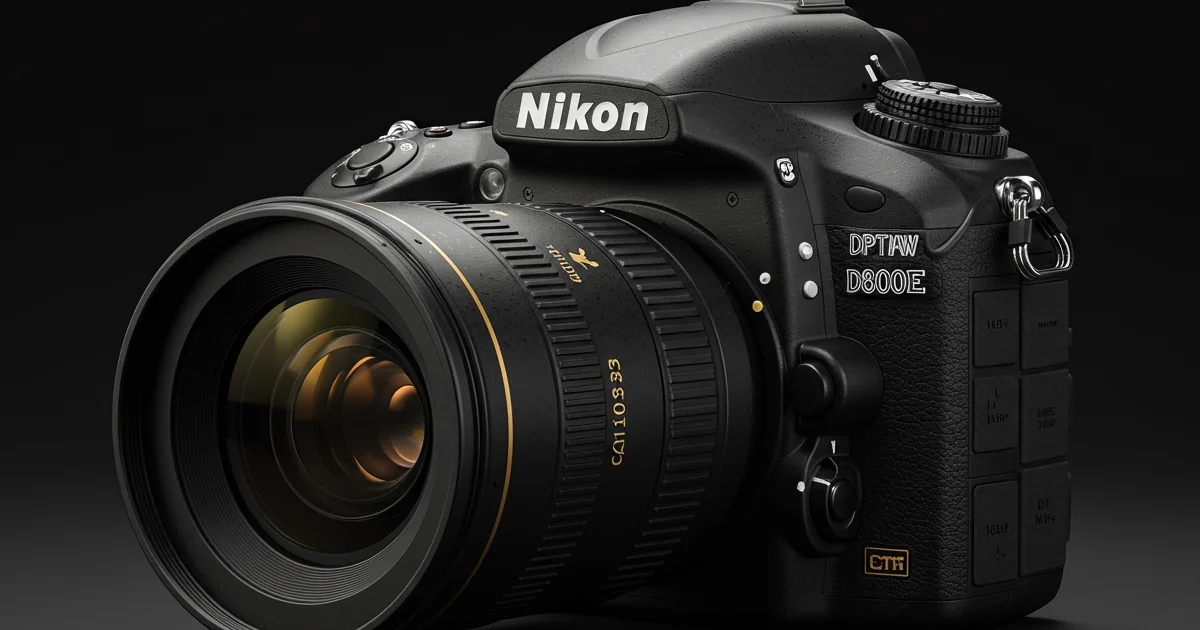
Nikon D800E
Released in 2012, the D800E delivered the same 36-megapixel FX sensor as the D800 but with optical low-pass filter cancellation, maximizing detail extraction for landscape, studio, and architectural work where resolution and sharpness define output quality. Its 100-6400 native ISO range and dual card slots supported professional workflows requiring both extreme detail and flexible file management. The 100% viewfinder and robust 1000 g magnesium alloy body provided the tactile precision and durability expected from Nikon's advanced DSLR line.
-
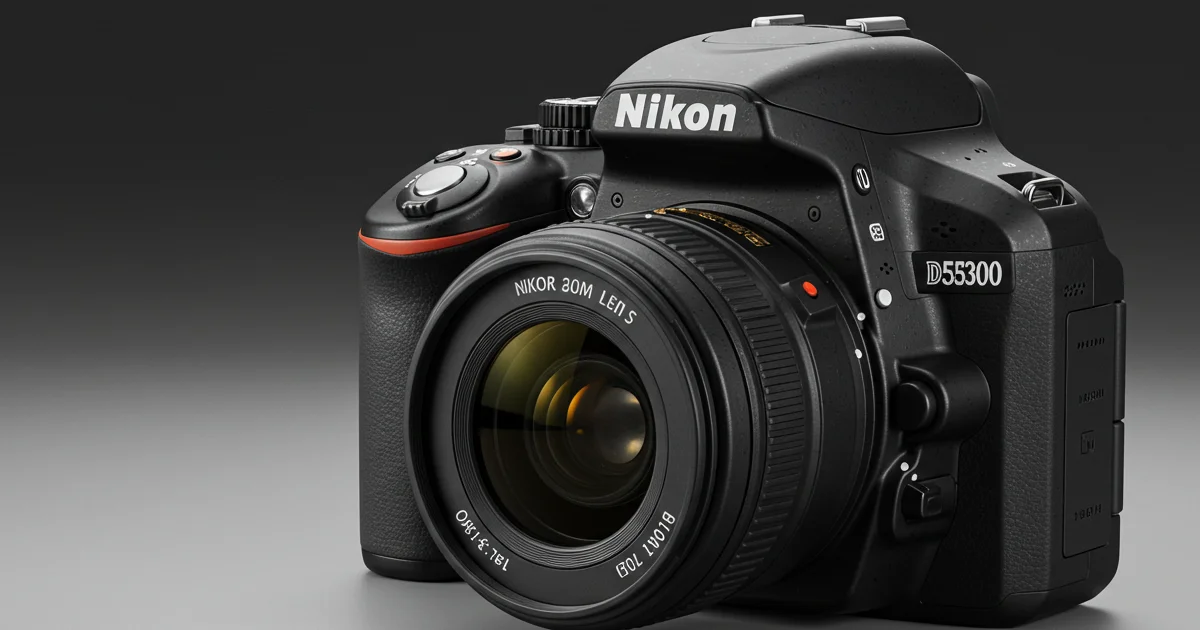
Nikon D5300
Released in 2013, the Nikon D5300 brought 24-megapixel DX-format imaging and built-in Wi-Fi connectivity to Nikon's upper entry-level lineup. Its articulating 3.2-inch screen and compact 530-gram body made it a versatile choice for travel and documentary work. The camera's ISO range of 100-12800 and 5 fps continuous shooting provided solid performance for general photography assignments.