
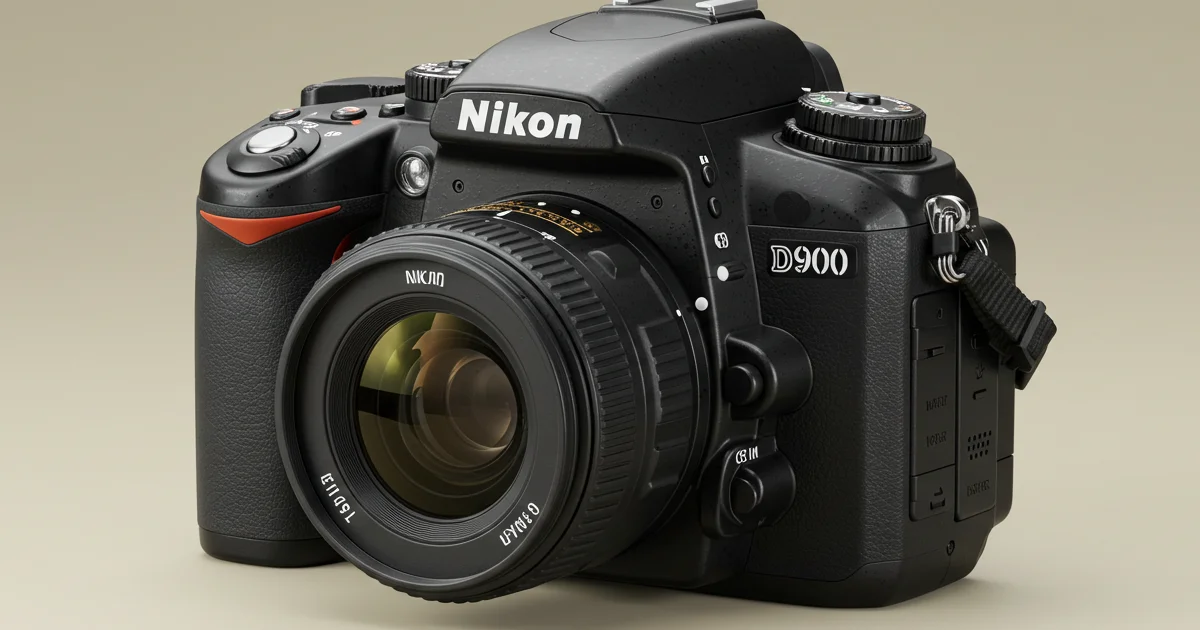
The D90's 12-megapixel DX-format sensor captured images at 4288 × 2848 resolution, delivering files with enough detail for editorial layouts, gallery prints, and commercial assignments where careful technique mattered more than pixel count. Its native ISO range of 200-3200 provided working latitude for indoor events, available-light portraiture, and documentary projects where photographers valued color accuracy and manageable noise over extreme sensitivity. The sensor's performance reflected Nikon's refinement of DX imaging technology, producing reliable results that held up well in professional workflows demanding consistent tonality and smooth gradation.
The camera's optical viewfinder offered 96% frame coverage with 0.94× magnification and a 19.5 mm eyepoint, giving photographers a clear view of composition and focus confirmation during fast-paced shooting. The 3-inch LCD screen with 640 × 480 RGB resolution provided adequate review capability for checking exposure and critical focus in the field. Weighing 700 grams and measuring 132 × 103 × 77 mm, the D90 delivered a substantial grip and control layout that supported extended handheld work without the bulk of professional bodies, making it practical for wedding photographers, travel shooters, and photojournalists working long days.
Continuous shooting at 4.5 fps allowed photographers to capture action sequences, candid moments, and event coverage with enough frame rate to select peak expressions and decisive gestures. The shutter mechanism rated to 150,000 actuations and offering speeds from 30 seconds to 1/4000 second with 1/200 second flash sync provided durability and versatility across varied lighting conditions. SDHC card compatibility gave photographers access to affordable, high-capacity storage that simplified workflow management on location and in the studio.
Powered by the EN-EL3e battery, the D90 delivered reliable performance through full shooting days, with energy management that supported both stills photography and video recording sessions. The Nikon F-mount opened access to decades of lens development, from classic manual-focus glass to modern AF-S optics, allowing photographers to build systems tailored to portraiture, landscape, sports, and documentary work. The D90's combination of resolution, handling, and feature depth made it a capable tool for photographers transitioning from consumer bodies or seeking a versatile backup alongside professional equipment.
Metrics
| Release Year | 2008 |
|---|---|
| ISO | 200 - 3200 · 100 - 6400 ISO |
| FPS | 4.5 · 9/100 fps |
| Weight | 700 g |
Descriptors
| Sensor | 12MP · DX · 4288 × 2848 MP |
|---|---|
| Shutter | 30 - 1/4000 · 1/200 · 150K |
| Finder | 96% · 0.94× · 19.5 mm |
| Screen | 3" · 640 x 480 · RGB |
| Storage | SDHC |
| Features | AF |
| Size | 132 × 103 × 77 mm |
| Battery | EN-EL3e · 850 / 4200 · MB-D80 |
Frequently asked questions
What is the ISO range and sensor resolution of the Nikon D90?
The D90 features a 12-megapixel DX-format sensor capturing images at 4288 × 2848 resolution, with a native ISO range of 200-3200 that provides clean files for event work, portraiture, and editorial assignments where controlled lighting and proper exposure technique deliver professional results.
How much does the Nikon D90 weigh and what are its dimensions?
The D90 weighs 700 grams and measures 132 × 103 × 77 mm, offering a balanced body size that provides substantial grip and control access without the weight of professional models, making it practical for travel photography, wedding coverage, and all-day shooting sessions.
What type of viewfinder does the D90 have?
The D90 uses an optical viewfinder with 96% frame coverage, 0.94× magnification, and a 19.5 mm eyepoint, delivering a bright, clear view for composition and manual focus confirmation that many photographers prefer for fast-paced shooting and critical framing decisions.
What storage media and battery does the Nikon D90 use?
The D90 uses SDHC cards for storage, providing access to affordable, high-capacity media that simplifies workflow management. It is powered by the EN-EL3e battery, which delivers reliable performance through extended shooting sessions covering both stills and video recording.
Who is the Nikon D90 best suited for?
The D90 serves enthusiast photographers, wedding shooters seeking a capable backup body, travel photographers valuing portability with professional handling, and photojournalists needing reliable performance across varied assignments where 12-megapixel resolution and proven autofocus meet real-world demands.
What is the continuous shooting speed of the D90?
The D90 shoots continuously at 4.5 fps, providing enough frame rate to capture action sequences, candid moments at events, and dynamic scenes where selecting the decisive frame from a short burst improves hit rates without overwhelming storage or workflow.
Related in this catalog
-
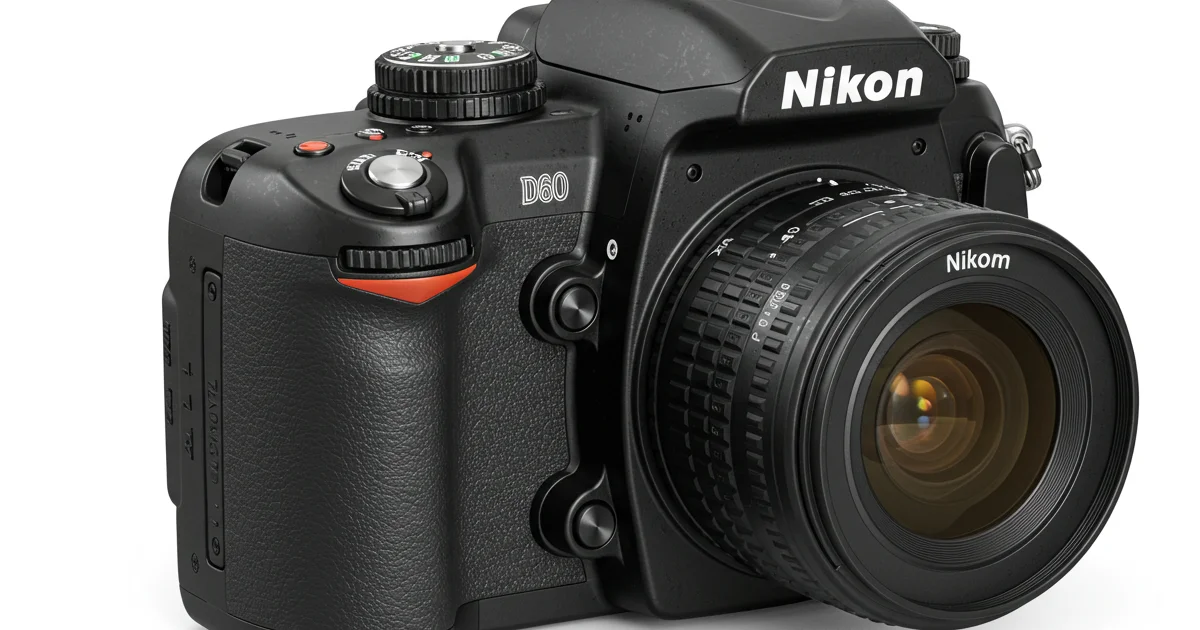
Nikon D60
Released in 2008, the Nikon D60 brought refined ergonomics and SDHC card support to Nikon's upper entry lineup, offering photographers a capable 10-megapixel DX sensor in a compact 545-gram body. Its 3 fps continuous shooting and ISO range of 100-1600 made it well-suited for family events, travel photography, and learning the fundamentals of DSLR operation. The camera's compatibility with Nikon's extensive F-mount lens system provided access to decades of optical excellence.
-
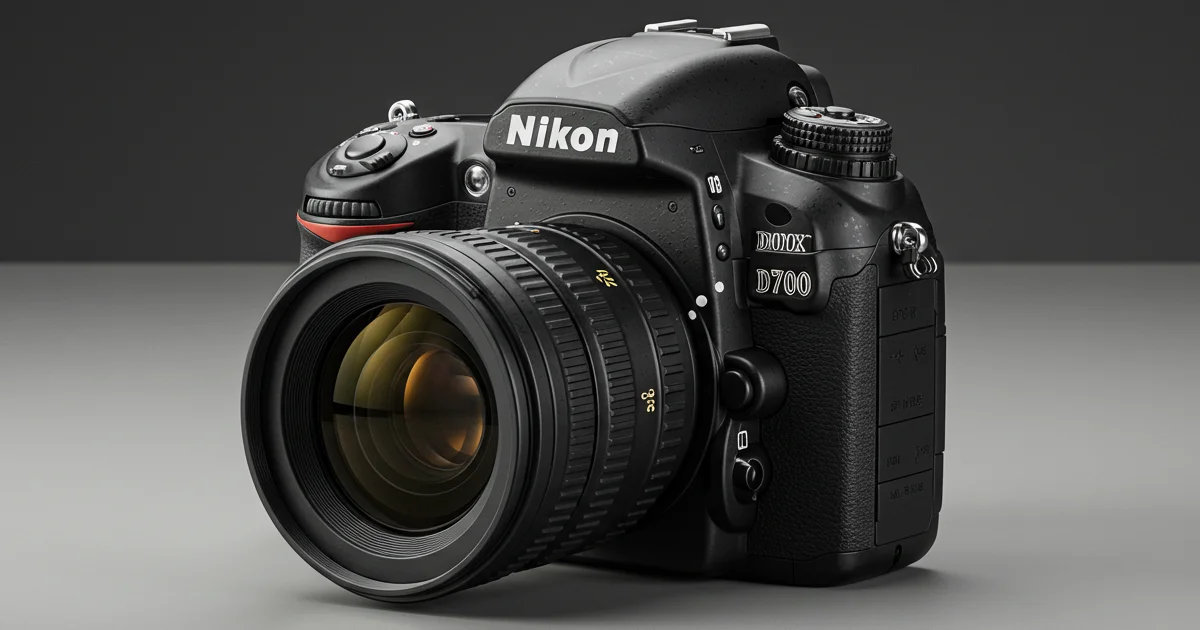
Nikon D700
Released in 2008, the D700 brought the acclaimed 12MP FX sensor from Nikon's flagship into a more accessible body, delivering exceptional high-ISO performance and full-frame imaging for working professionals. Its 5 fps continuous shooting, robust weather-sealed construction, and proven Nikon F-mount compatibility made it a trusted choice for wedding photographers, photojournalists, and event specialists who valued low-light capability and reliable operation. The camera's 200-6400 native ISO range and intuitive handling established it as a workhorse for demanding assignments.
-
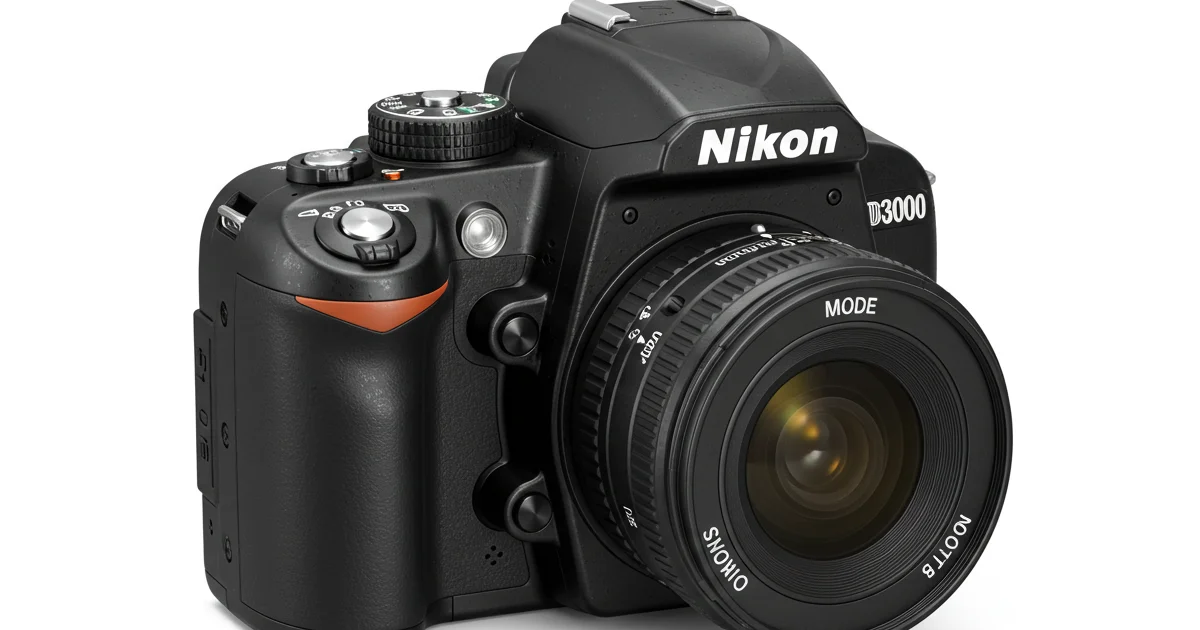
Nikon D3000
Introduced in 2009 as Nikon's most accessible entry into DSLR photography, the D3000 combines a 10-megapixel DX sensor with intuitive Guide Mode operation and proven F-mount compatibility. Weighing just 535 grams, it delivers 3 fps continuous shooting and an ISO range of 100-1600, making it well-suited for family events, travel documentation, and learning fundamental photographic technique. The camera's straightforward control layout and SDHC card storage provide a reliable foundation for photographers transitioning from compact cameras to interchangeable-lens systems.
-
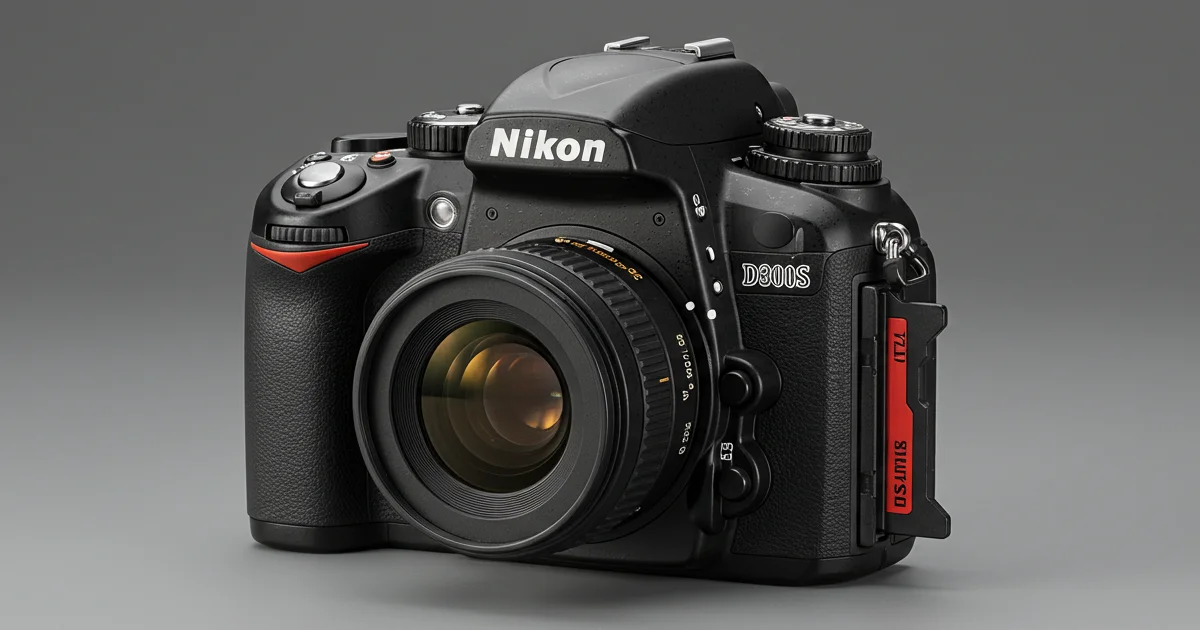
Nikon D300S
The D300S built upon Nikon's professional DX legacy with dual card slots, 8 fps continuous shooting, and a 12-megapixel sensor optimized for action photography. Released in 2009, this weather-sealed body delivered reliable autofocus tracking and robust build quality for sports, wildlife, and photojournalism assignments. Its combination of reach advantage from the DX format, professional-grade durability, and responsive handling made it a trusted tool for photographers working at distance or in demanding field conditions.