
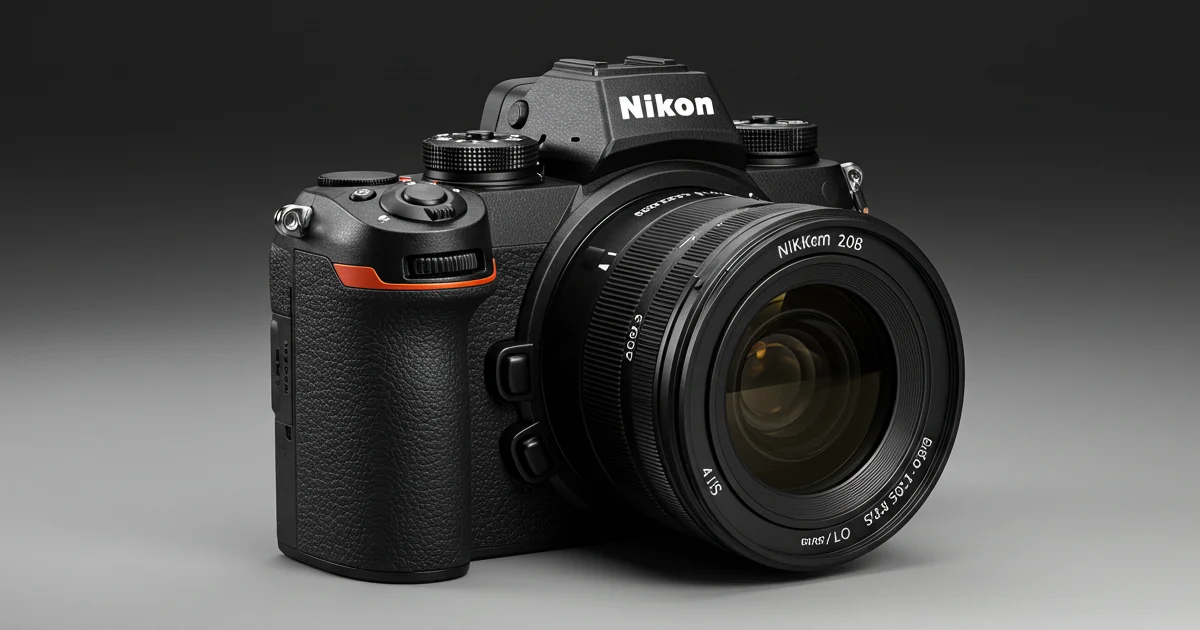
The Nikon Z8 arrived in 2023 as a watershed moment for professional mirrorless photography, packaging the computational imaging power and sensor resolution previously reserved for studio-oriented flagships into a body designed for photographers who move constantly between ceremony halls, mountain trails, and editorial assignments. Measuring 144 × 119 × 83 mm and weighing 910 g, it represents Nikon's commitment to eliminating the traditional compromise between processing capability and portability, delivering 20 fps shooting and 8K video in a form factor that balances all-day comfort with the grip depth required for telephoto lenses.
The 46-megapixel full-frame sensor captures images at 8256 × 5504 resolution, providing the file size and tonal latitude that commercial photographers require for large-format prints and heavy cropping while maintaining clean output across the ISO 64 to 25600 range. The fully electronic shutter operates silently from 900 seconds through 1/32000 second, enabling wildlife photographers to work without disturbing subjects and event shooters to capture vows and speeches without audible distraction. The Z-mount's 55mm inner diameter and short 16mm flange distance support optical designs that deliver edge-to-edge sharpness even at maximum aperture, a characteristic particularly evident when pairing the body with fast primes for environmental portraiture.
The 3.2-inch tilting touchscreen with 2100K-dot resolution provides clear visibility in bright sunlight, while the electronic viewfinder offers 100% coverage with 0.8× magnification and 21 mm eye point for comfortable composition with or without eyeglasses. Dual card slots accept both CFexpress Type B and UHS-II SDXC media, allowing photographers to configure simultaneous backup recording or separate RAW and JPEG workflows depending on assignment requirements. The EN-EL15c battery powers extended shooting sessions, and the camera's weather-sealed magnesium alloy construction withstands the dust, moisture, and temperature fluctuations encountered during outdoor editorial work and destination weddings.
Documentary photographers working in available light and sports shooters covering indoor arenas rely on the Z8's combination of high-resolution capture and continuous 20 fps frame rates, a pairing that eliminates the need to choose between detail and decisive moment. The body's computational processing enables features like subject detection and in-camera focus stacking, tools that expand creative possibilities without requiring additional post-production software. For professionals transitioning from DSLR systems or upgrading from earlier Z-mount bodies, the Z8 represents a complete imaging solution that handles both high-stakes commercial assignments and personal documentary projects with equal capability.
Metrics
| Release Year | 2023 |
|---|---|
| ISO | 64 - 25600 · 32 - 102400 ISO |
| FPS | 20 fps |
| Weight | 910 g |
Descriptors
| Sensor | 46MP · FX · 8256 × 5504 MP |
|---|---|
| Shutter | 900 - 1/32000 · 1/250 |
| Finder | 100% · 0.8× · 21 mm |
| Screen | 3.2" tilting · 2100K |
| Storage | CfExpress,SDXC |
| Size | 144 × 119 × 83 mm |
| Battery | EN-EL15c |
Frequently asked questions
What memory cards and battery does the Nikon Z8 use?
The Z8 features dual card slots that accept CFexpress Type B and SDXC UHS-II media, allowing simultaneous backup recording or separate RAW and JPEG file routing. It uses the rechargeable EN-EL15c lithium-ion battery, which provides power for extended shooting sessions and is compatible with earlier EN-EL15 variants for photographers with existing Nikon battery inventories.
How much does the Nikon Z8 weigh and what are its dimensions?
The Z8 weighs 910 g and measures 144 × 119 × 83 mm, offering a compact form factor compared to larger flagship bodies while maintaining the grip depth and control layout required for professional telephoto work. The magnesium alloy construction provides durability without excessive bulk, making it suitable for all-day handheld shooting during weddings, wildlife assignments, and travel documentation.
What sensor resolution and ISO range does the Z8 offer?
The Z8 features a 46-megapixel full-frame sensor that captures images at 8256 × 5504 resolution, delivering the file size and cropping flexibility required for commercial work and large-format printing. The native ISO range extends from 64 to 25600, providing clean output across varied lighting conditions from bright outdoor scenes to dimly lit reception halls and indoor sporting events.
Who is the Nikon Z8 designed for?
The Z8 serves professional photographers who require flagship imaging performance in a body optimized for mobility, including wedding shooters working long events, wildlife photographers hiking to remote locations, and editorial photographers moving between assignments. Its combination of 46-megapixel resolution, 20 fps continuous shooting, and 8K video capability makes it equally capable for high-resolution commercial work and fast-paced documentary coverage.
What continuous shooting speed does the Nikon Z8 provide?
The Z8 captures images at 20 frames per second using its fully electronic shutter, enabling photographers to track fast-moving subjects and capture fleeting expressions without mechanical vibration or audible shutter noise. This frame rate paired with 46-megapixel resolution eliminates the traditional compromise between file size and continuous shooting speed, supporting both action coverage and high-resolution output from a single camera body.
What viewfinder specifications does the Z8 have?
The Z8's electronic viewfinder provides 100% frame coverage with 0.8× magnification and a 21 mm eye point, offering clear composition for photographers wearing eyeglasses and accurate framing for critical commercial work. The high-resolution EVF displays real-time exposure and white balance previews, allowing photographers to evaluate final image appearance before releasing the shutter during both stills capture and video recording.
Related in this catalog
-
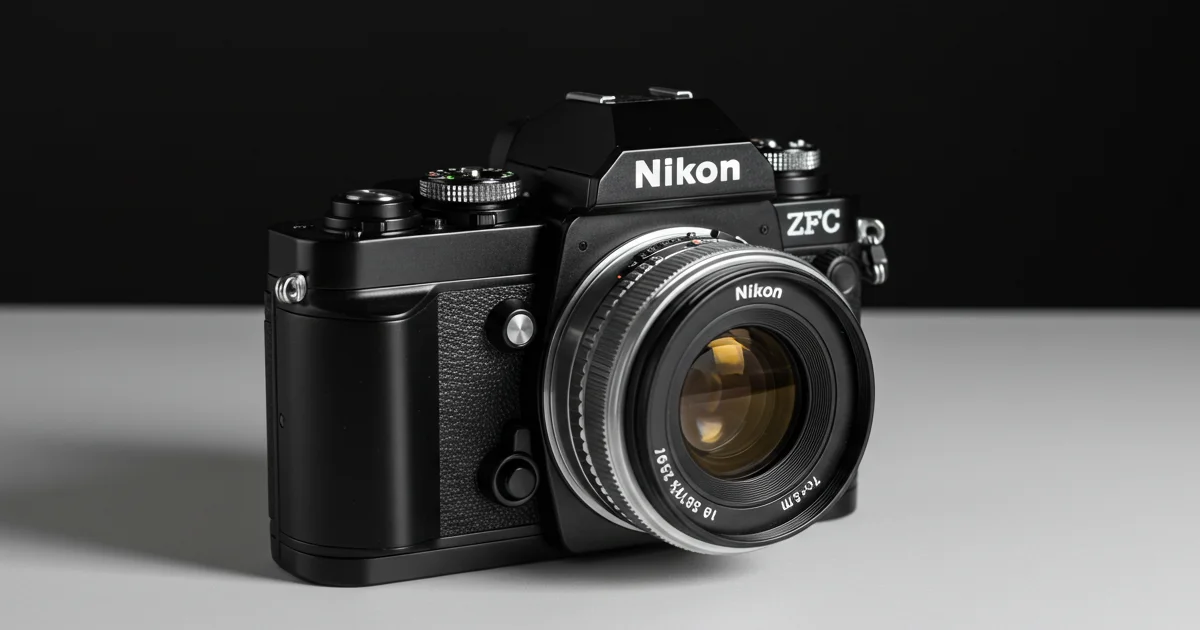
Nikon Zfc
The Nikon Zfc combines heritage-inspired rangefinder aesthetics with modern Z-mount mirrorless technology, delivering a 21-megapixel DX sensor and 11 fps continuous shooting in a compact metal body. Released in 2021, it brings tactile controls and classic design to photographers who value both form and function. The articulated touchscreen and wide ISO range make it equally capable for street photography, travel documentation, and creative personal work.
-
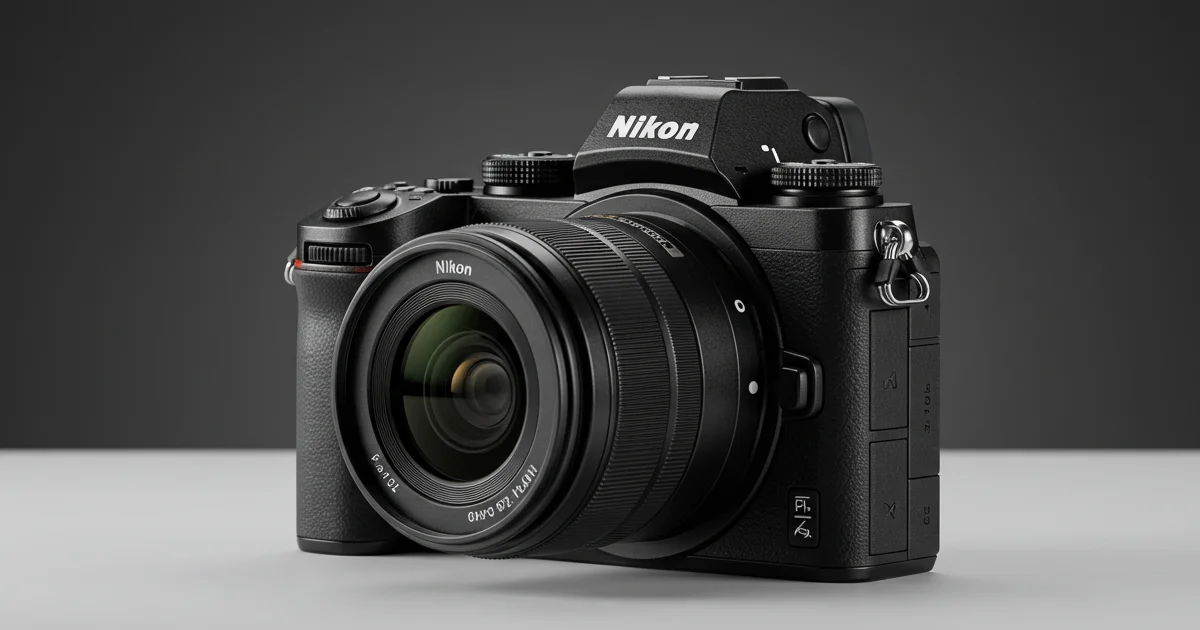
Nikon Z30
The Nikon Z30, introduced in 2022, delivers a focused vlogging and content creation platform built around a 21-megapixel DX sensor and the versatile Z-mount system. Its 11 fps continuous shooting, fully articulating 3.2-inch screen, and streamlined 405-gram body address the needs of video-first creators who also require capable stills performance. The camera's ISO 100-51200 range and compact dimensions make it a practical choice for solo creators working across varied lighting conditions and shooting environments.
-
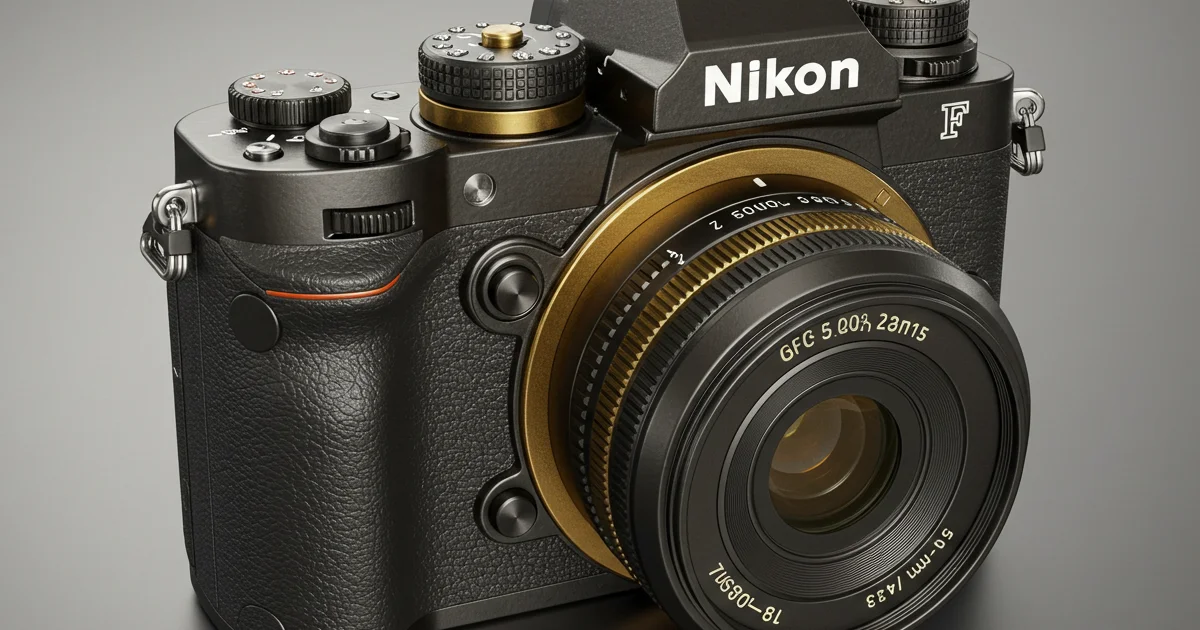
Nikon Zf
The Nikon Zf arrived in 2023 as a full-frame heritage design combining tactile dial control with contemporary computational imaging. Its 24-megapixel sensor delivers refined color science and dynamic range across the native ISO 100-64000 span, while 30 fps continuous shooting addresses fast-moving subjects without sacrificing resolution. Photographers who value deliberate manual operation alongside autofocus precision find the Zf's dual-SD card slots and articulated screen practical for both documentary assignments and personal projects.
-
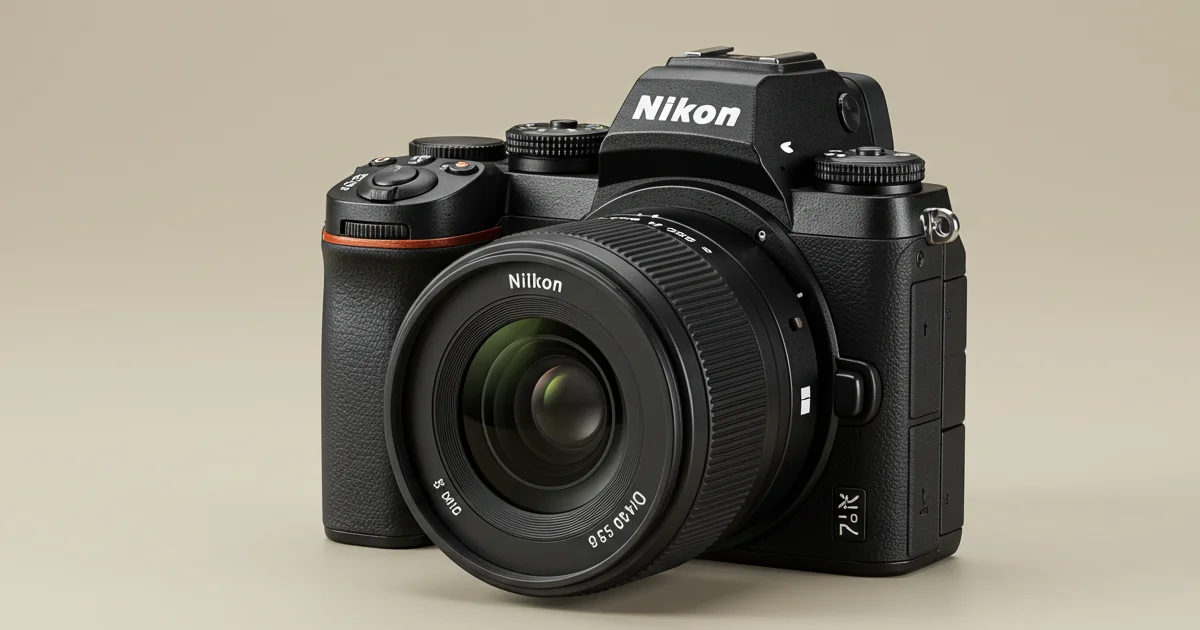
Nikon Z50 II
Released in 2024, the Nikon Z50 II refines the DX-format Z-mount platform with a 21-megapixel sensor engineered for content creators and travel photographers who balance stills and video work. Its 11 fps continuous shooting and compact 550 g body deliver responsive handling for street photography, event coverage, and documentary assignments. The articulating 3.2-inch screen and refined ergonomics support hybrid workflows from vlogging to editorial portraiture.