
What this site is
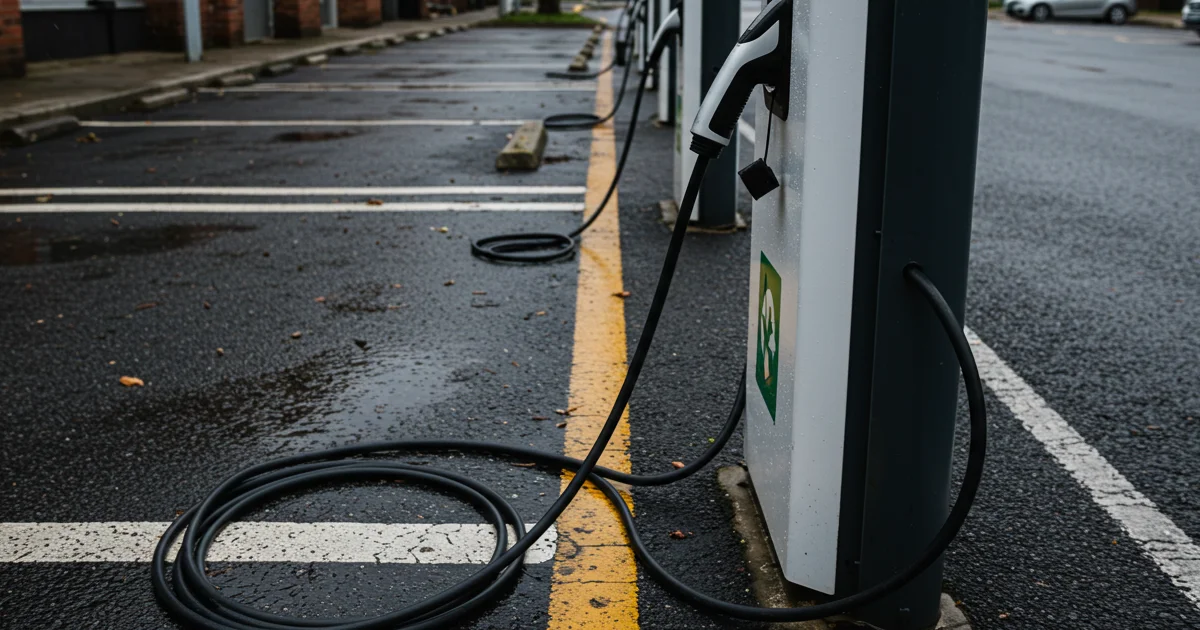
Drivers need trustworthy station pages: connector, kW class, access notes, and where it sits on the map. Operators and cities need a public catalog they control—not a fragile scrape mirror with contradictory facts.
How the catalog is organized
Facets: connector standards, power bands, access (public, customer-only), and locality. Quantitative kW values stay numeric for range filters. Maps are required. Compare helps fleets shortlist two sites; optional for consumers.
Why developers and clean-tech owners buy this shape
EV content is competitive; thin doorways fail. Fat station profiles with consistent structured data and twins give SEO teams something defensible. Developers avoid rebuilding map+filter SPAs from scratch for every municipal RFP.
Related surfaces
Travel and local-services overlap with hvce site airport area hotel transit directory and multi-niche tourism boards. Pair discovery automation with hvce reason automated discovery.
What ships with every page
Every listing profile is crawlable HTML with its own metadata, place-aware structured data aligned to the visible record, and a clean text twin for answer engines—so local directories stay organized for visitors and legible for search and AI systems.
Buyer takeaway
City EV charging map directory is a concrete niche an operator can scope, price, and ship as a catalog website: faceted organization, crawlable entity URLs, and AI-readable twins without rebuilding a heavy application for every client. Keep attribute data honest, write answer-first summaries, and measure page speed on your own host before quoting scores. When stakeholders ask why not a spreadsheet or a one-off brochure site, show a live profile, a filtered listing, and the discovery files—then point them at licensing.
Metrics
| Typical Catalog Size | 600 entities |
|---|---|
| Profile Depth Score | 4 |
| Facet Dimensions | 7 |
Descriptors
| Primary Monetization | lead-gen |
|---|---|
| Discovery Surfaces | geo-heavy |
| Map Suitability | required |
| Compare Suitability | optional |
| Delivery Mode | ssr |
| Buyer Persona | operator |
| Overlap Cluster | local-services |
Frequently asked questions
What belongs on each charging station page?
Connector types, power class, access rules, coordinates, and operator contact or status notes you can keep fresh.
Why SSR for this niche?
Filtered corridor URLs often need to stay crawlable; SSR keeps server-owned listing URLs authoritative when that matters to your SEO plan.
Can agencies sell this to cities?
Yes—as a managed catalog deliverable with maps, sitemaps, and AI-readable twins included.
How do we avoid duplicate thin station pages?
Require real attributes and unique summaries; HVCE makes pages easy to publish—editorial standards keep them worthy.
Is live availability in scope?
No. This playbook is a structured directory, not a real-time occupancy API.
Related in this catalog
-

Metro HVAC contractor directory
A metro HVAC contractor directory is a place-led catalog of licensed service businesses that homeowners and facility managers filter by locality, specialty, and coverage. HVCE turns each contractor into a crawlable profile with typed attributes, optional map context, and lead CTAs—so agencies and local publishers ship programmatic local SEO without standing up a heavy application stack.
-

Neighborhood dog-park finder
A neighborhood dog-park finder helps pet owners locate fenced parks, water access, and hours by district. HVCE ships each park as a fast, map-ready profile with amenity facets and discovery surfaces—so city publishers and SEO contractors can launch a lovable local utility that still indexes like a serious catalog.
-

Regional coworking space directory
A regional coworking directory helps founders and remote teams shortlist spaces by transit access, meeting rooms, and day-pass policies. HVCE structures each space as a profile with facets, optional compare, and map context—ideal for brokers, publishers, and developers delivering B2B local catalogs that still feel instant on phones.
-
County farmers-market directory
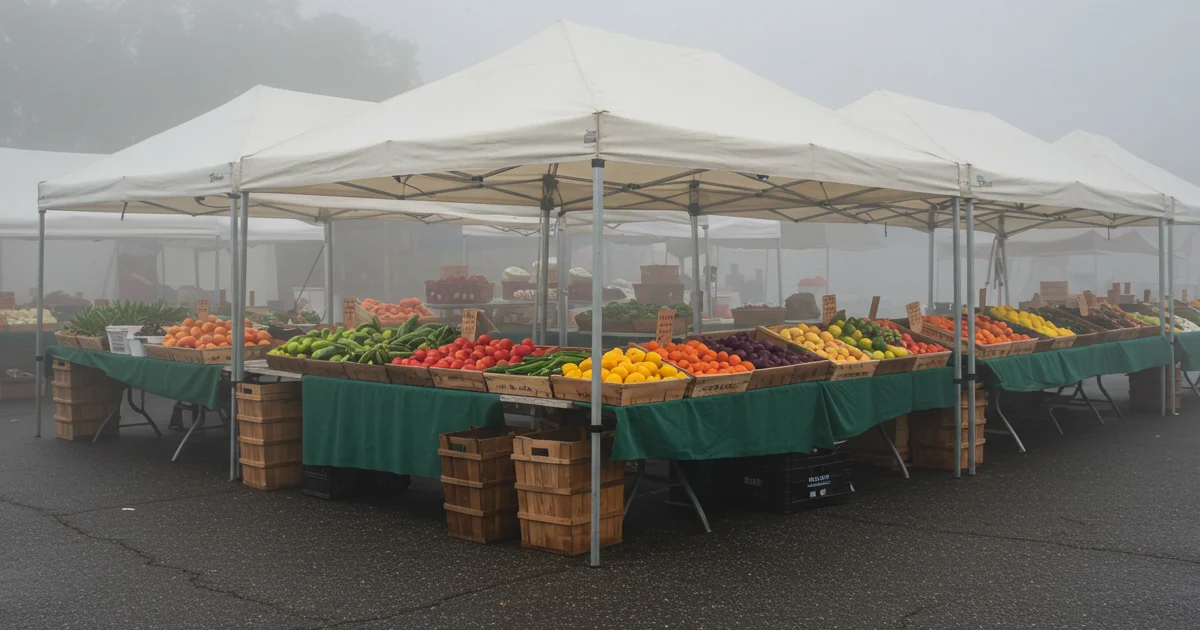
A county farmers-market directory lists markets by town, season window, and product focus so shoppers plan weekends and producers find audiences. HVCE turns each market into a place-aware profile with facets and AI-readable twins—perfect for food publishers, tourism boards, and agencies selling local SEO retainers.