

What this site is
Coworking discovery is a commercial directory problem: many venues, overlapping amenities, location-sensitive decisions. Owners want leads; SEO teams want unique venue URLs; developers want a maintainable catalog instead of a custom React marketplace.
How the catalog is organized
Facets for neighborhood, transit tags, meeting-room counts, and access types. Quantitative desk counts or starting day-pass prices when accurate. Compare suits shortlisting two spaces. Maps highlight clusters near rail.
Why this sells to B2B operators and web studios
Studios can productize “city coworking launch in two weeks” once data is ready. Structured data and twins help answer engines cite amenity facts. Lean pages keep mobile bounce down when users browse between meetings.
Related surfaces
Links to hvce site metro hvac contractor directory-style lead-gen geos and hvce site independent bookstore map for culture-adjacent city catalogs. Economics: hvce reason ship cheap fast.
What ships with every page
Every listing profile is crawlable HTML with its own metadata, place-aware structured data aligned to the visible record, and a clean text twin for answer engines—so local directories stay organized for visitors and legible for search and AI systems.
Buyer takeaway
Regional coworking space directory is a concrete niche an agency can scope, price, and ship as a catalog website: faceted organization, crawlable entity URLs, and AI-readable twins without rebuilding a heavy application for every client. Keep attribute data honest, write answer-first summaries, and measure page speed on your own host before quoting scores. When stakeholders ask why not a spreadsheet or a one-off brochure site, show a live profile, a filtered listing, and the discovery files—then point them at licensing.
Metrics
| Typical Catalog Size | 250 entities |
|---|---|
| Profile Depth Score | 4 |
| Facet Dimensions | 6 |
Descriptors
| Primary Monetization | lead-gen |
|---|---|
| Discovery Surfaces | seo-aeo-geo |
| Map Suitability | required |
| Compare Suitability | optional |
| Delivery Mode | either |
| Buyer Persona | agency |
| Overlap Cluster | local-services |
Frequently asked questions
What should each coworking profile include?
Address-grade place data, amenity tags, access notes, starting pass metrics you can verify, and a lead CTA.
Do SEO companies treat this as programmatic SEO?
Yes—venue-level URLs with unique meta and internal locality links are the play.
Is booking software included?
No. CTAs can deep-link to a venue’s booking tool; HVCE remains the public catalog layer.
Can developers enable compare for desk shoppers?
Yes when attribute parity is strong; otherwise keep filter-and-profile simple.
How fast can a studio ship a city?
Once rows are clean, build/export produces the public site surfaces without a custom app rewrite.
Related in this catalog
-

Neighborhood dog-park finder
A neighborhood dog-park finder helps pet owners locate fenced parks, water access, and hours by district. HVCE ships each park as a fast, map-ready profile with amenity facets and discovery surfaces—so city publishers and SEO contractors can launch a lovable local utility that still indexes like a serious catalog.
-

City EV charging map directory
A city EV charging map directory catalogs public and semi-public chargers by connector type, power class, and neighborhood. HVCE gives each station a crawlable profile and map context so mobility startups, city partners, and SEO shops can ship a utility that ranks for long-tail charging queries without a bloated client app.
-
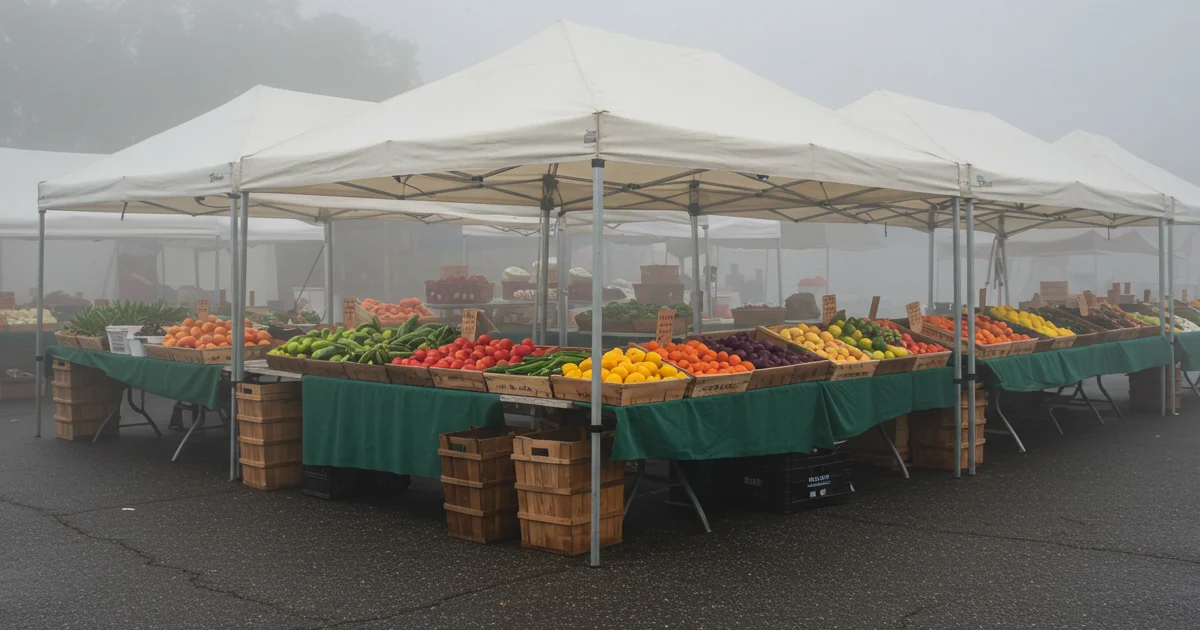
County farmers-market directory
A county farmers-market directory lists markets by town, season window, and product focus so shoppers plan weekends and producers find audiences. HVCE turns each market into a place-aware profile with facets and AI-readable twins—perfect for food publishers, tourism boards, and agencies selling local SEO retainers.
-
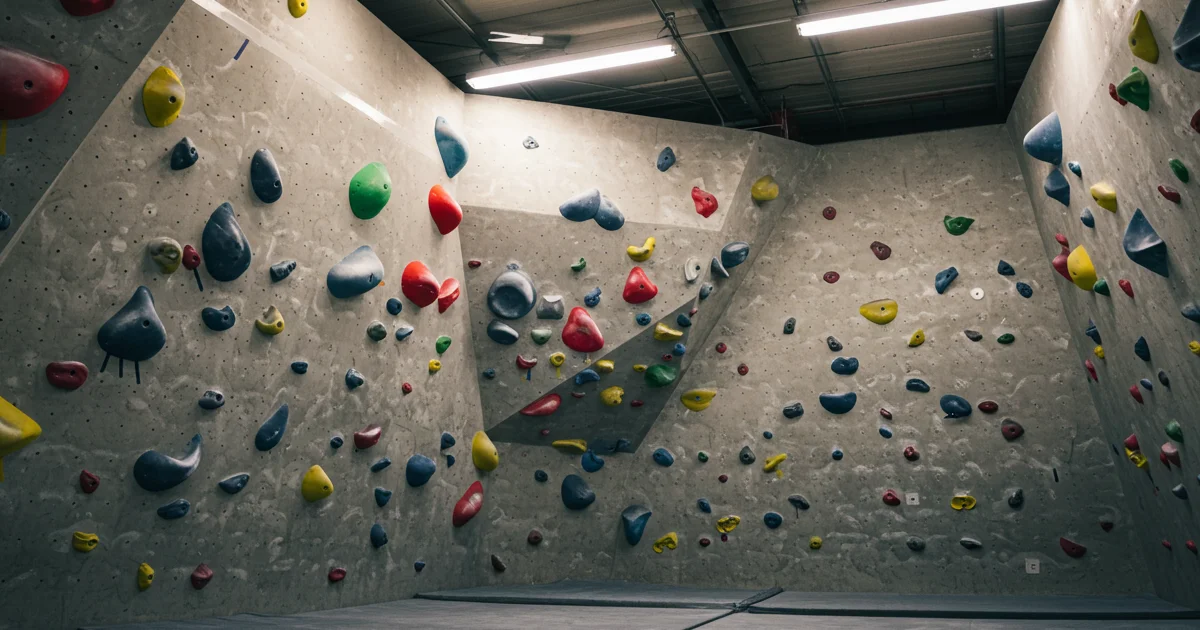
Urban climbing-gym directory
An urban climbing-gym directory helps climbers find bouldering, ropes, and fitness amenities by neighborhood. HVCE publishes each gym as a map-ready profile with typed amenities and conversion CTAs—so outdoor media brands and web developers can ship a niche local catalog that ranks and converts.