
What this site is
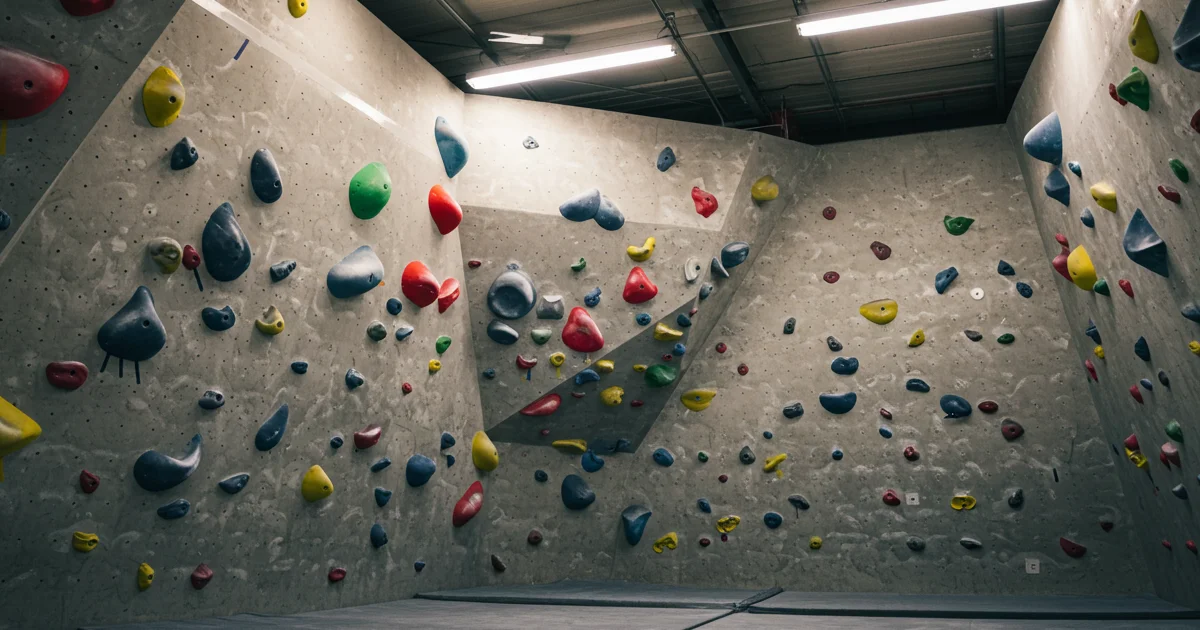
Climbing gyms compete on amenities and location. Climbers search by neighborhood and wall style. A structured directory beats scattered Instagram bios for SEO companies building outdoor verticals.
How the catalog is organized
Facets: bouldering vs ropes, fitness add-ons, youth programs, locality. Quantitative board heights or day-pass prices when verified. Maps required. Compare optional for amenity shortlists.
Why outdoor media and developers ship this
It is a crisp demo of geo + consumer CTAs + fast mobile pages. Agencies show clients programmatic coverage of every gym in a metro. Owners get lead capture without commissioning a custom club marketplace.
Related surfaces
Outdoor cluster with hvce site neighborhood dog park finder and hvce site trail running shoe stack catalog. Affiliate gear hubs cross-link naturally for monetization.
What ships with every page
Every listing profile is crawlable HTML with its own metadata, place-aware structured data aligned to the visible record, and a clean text twin for answer engines—so local directories stay organized for visitors and legible for search and AI systems.
Buyer takeaway
Urban climbing-gym directory is a concrete niche an publisher can scope, price, and ship as a catalog website: faceted organization, crawlable entity URLs, and AI-readable twins without rebuilding a heavy application for every client. Keep attribute data honest, write answer-first summaries, and measure page speed on your own host before quoting scores. When stakeholders ask why not a spreadsheet or a one-off brochure site, show a live profile, a filtered listing, and the discovery files—then point them at licensing.
Metrics
| Typical Catalog Size | 90 entities |
|---|---|
| Profile Depth Score | 4 |
| Facet Dimensions | 5 |
Descriptors
| Primary Monetization | lead-gen |
|---|---|
| Discovery Surfaces | seo-aeo-geo |
| Map Suitability | required |
| Compare Suitability | optional |
| Delivery Mode | either |
| Buyer Persona | publisher |
| Overlap Cluster | outdoor |
Frequently asked questions
What facets matter for climbing gyms?
Wall styles, youth programs, fitness amenities, locality, and verified day-pass metrics.
Can day passes be affiliate links?
CTA fields can point to partner booking pages; keep disclosures in your editorial policy.
Do gyms need full article-length pages?
Yes if you want organic and AI citation—amenity FAQs and unique summaries beat thin name/address stubs.
Is this only for large metros?
Regional catalogs work; smaller entity counts still justify the architecture.
How do developers keep maps honest?
Only publish coordinates you maintain; disable pins rather than guess.
Related in this catalog
-

Regional coworking space directory
A regional coworking directory helps founders and remote teams shortlist spaces by transit access, meeting rooms, and day-pass policies. HVCE structures each space as a profile with facets, optional compare, and map context—ideal for brokers, publishers, and developers delivering B2B local catalogs that still feel instant on phones.
-
County farmers-market directory
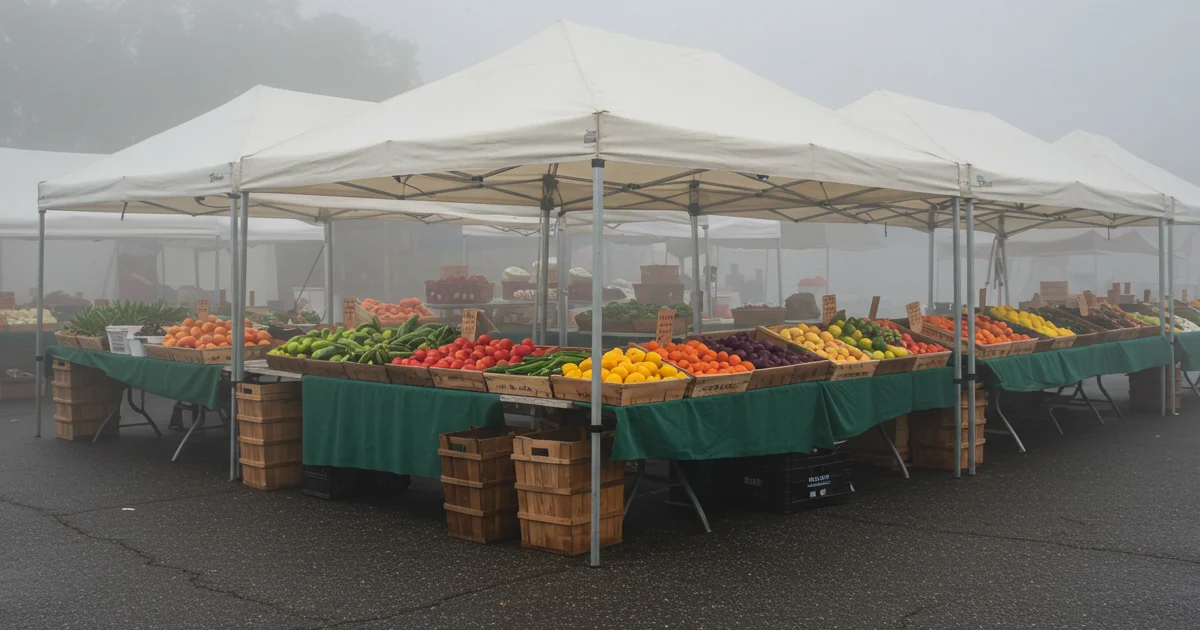
A county farmers-market directory lists markets by town, season window, and product focus so shoppers plan weekends and producers find audiences. HVCE turns each market into a place-aware profile with facets and AI-readable twins—perfect for food publishers, tourism boards, and agencies selling local SEO retainers.
-

Craft brewery trail directory
A craft brewery trail directory guides visitors along tasting rooms by neighborhood, beer style emphasis, and family-friendly flags. HVCE makes each brewery a place-led profile with facets and discovery twins—so tourism boards, food publishers, and agencies can own long-tail brewery search demand on lean infrastructure.
-
Walk-in clinic locator
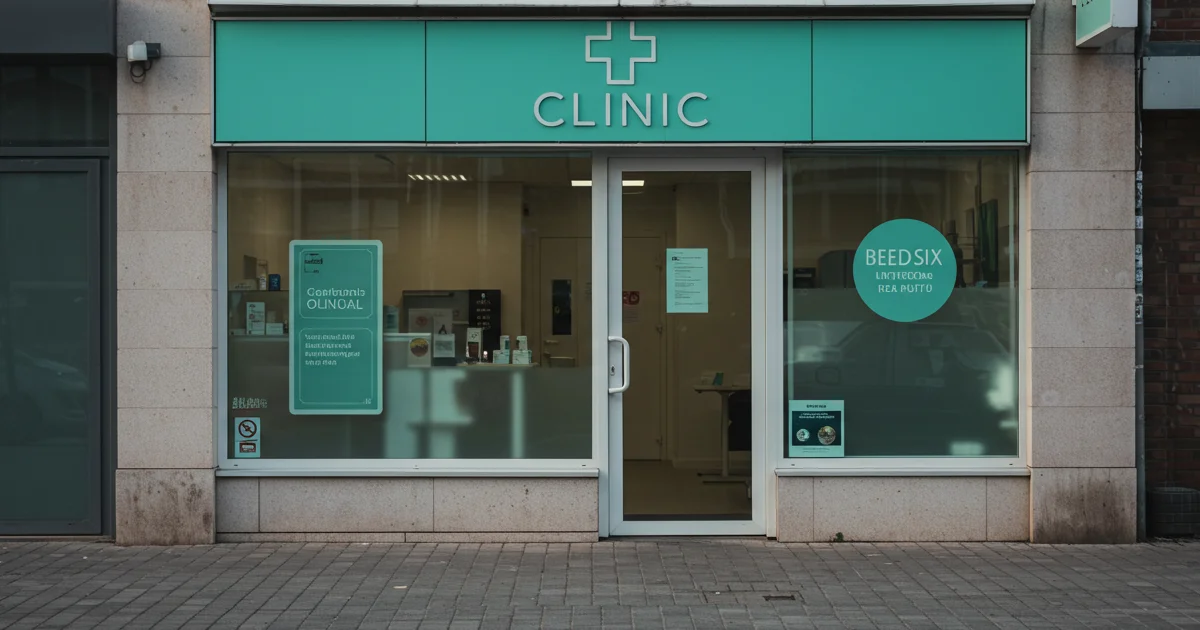
A walk-in clinic locator helps patients find urgent care by neighborhood, hours notes, and service tags. HVCE publishes clinic profiles as crawlable, map-ready pages with careful CTAs—so health publishers and agencies can deliver local healthcare directories that prioritize clarity, speed, and consistent facts over flashy app chrome.