
What this site is
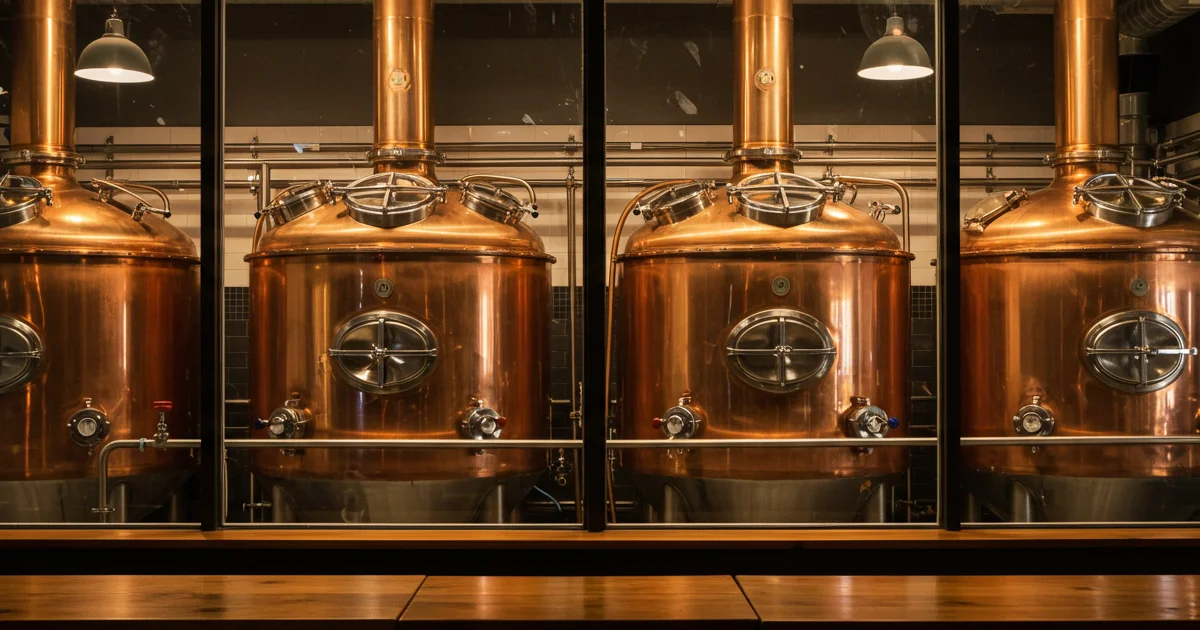
Brewery tourism is geographic storytelling. Visitors plan hops; boards want structured pages; SEO teams want unique venue URLs instead of one endless list post.
How the catalog is organized
Facets: locality, style emphasis, outdoor seating, food-truck friendly tags. Maps required for trail UX. Compare optional for style shortlists. CTAs link to official rooms or tourism partners.
Why tourism boards and food SEO teams buy in
Trail queries and “brewery near [district]” are durable. AI assistants prefer structured tasting-room facts. Developers deliver a delightful geo demo that still shows serious crawl surfaces.
Related surfaces
Food-drink ties to hvce site county farmers market directory and hvce site wine country multi surface network. Authority cultivar pages support wine-country cousins.
What ships with every page
Every listing profile is crawlable HTML with its own metadata, place-aware structured data aligned to the visible record, and a clean text twin for answer engines—so local directories stay organized for visitors and legible for search and AI systems.
Buyer takeaway
Craft brewery trail directory is a concrete niche an publisher can scope, price, and ship as a catalog website: faceted organization, crawlable entity URLs, and AI-readable twins without rebuilding a heavy application for every client. Keep attribute data honest, write answer-first summaries, and measure page speed on your own host before quoting scores. When stakeholders ask why not a spreadsheet or a one-off brochure site, show a live profile, a filtered listing, and the discovery files—then point them at licensing.
Metrics
| Typical Catalog Size | 220 entities |
|---|---|
| Profile Depth Score | 4 |
| Facet Dimensions | 6 |
Descriptors
| Primary Monetization | sponsorship |
|---|---|
| Discovery Surfaces | geo-heavy |
| Map Suitability | required |
| Compare Suitability | optional |
| Delivery Mode | static |
| Buyer Persona | publisher |
| Overlap Cluster | food-drink |
Frequently asked questions
What belongs on a brewery profile?
Place, style tags, tasting-room notes, family/pet flags, and official site CTA.
Can this be a statewide trail?
Yes—watch entity guidance and split regions if the catalog grows large.
How do sponsors show up?
Use CTA fields and featured placement patterns that do not inject layout-shifting ad slots.
Do we need live tap lists?
No. Keep evergreen style emphasis; deep-link for live boards if needed.
Why not a single “best breweries” article?
One article cannot earn entity-level long-tail URLs or per-venue structured data at catalog scale.
Related in this catalog
-
County farmers-market directory
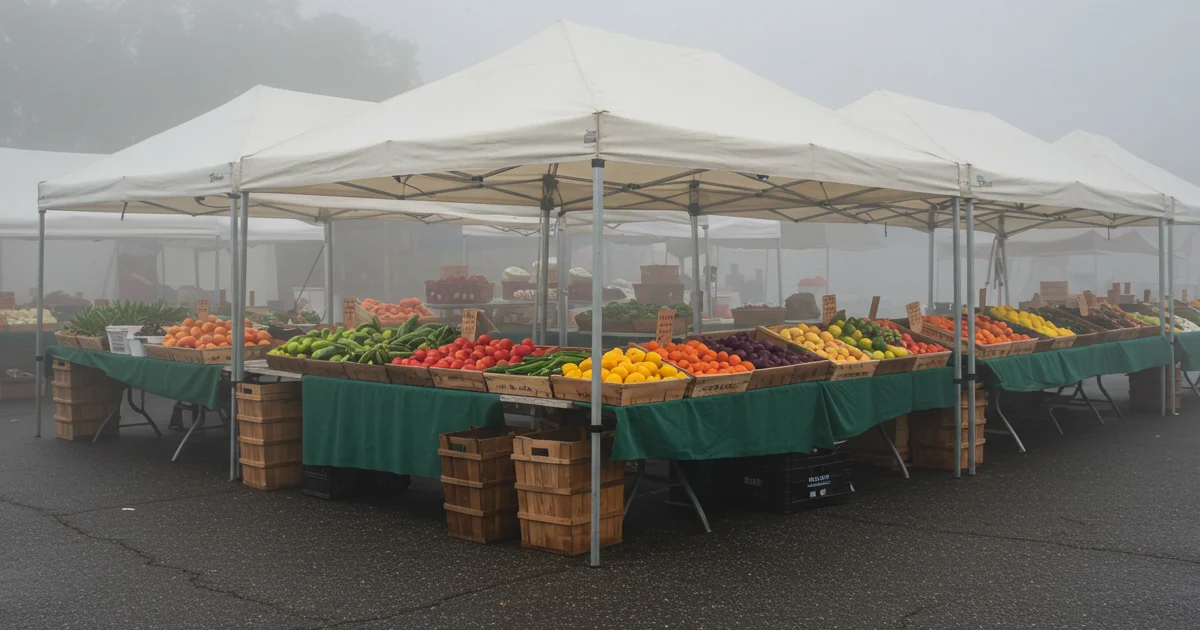
A county farmers-market directory lists markets by town, season window, and product focus so shoppers plan weekends and producers find audiences. HVCE turns each market into a place-aware profile with facets and AI-readable twins—perfect for food publishers, tourism boards, and agencies selling local SEO retainers.
-
Urban climbing-gym directory
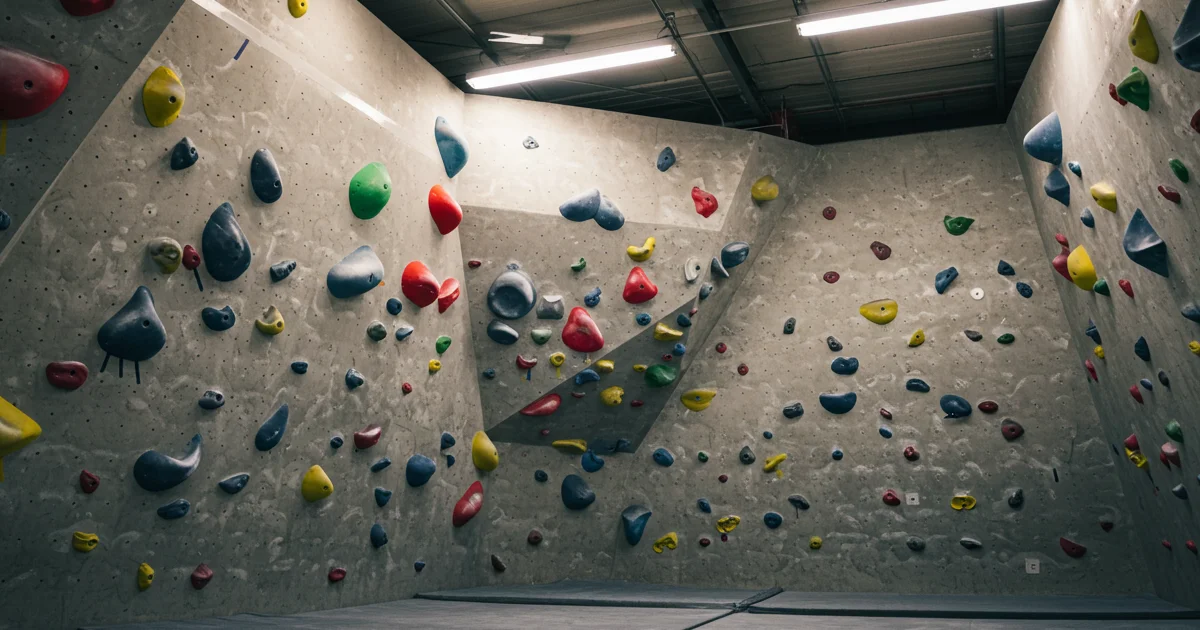
An urban climbing-gym directory helps climbers find bouldering, ropes, and fitness amenities by neighborhood. HVCE publishes each gym as a map-ready profile with typed amenities and conversion CTAs—so outdoor media brands and web developers can ship a niche local catalog that ranks and converts.
-
Walk-in clinic locator
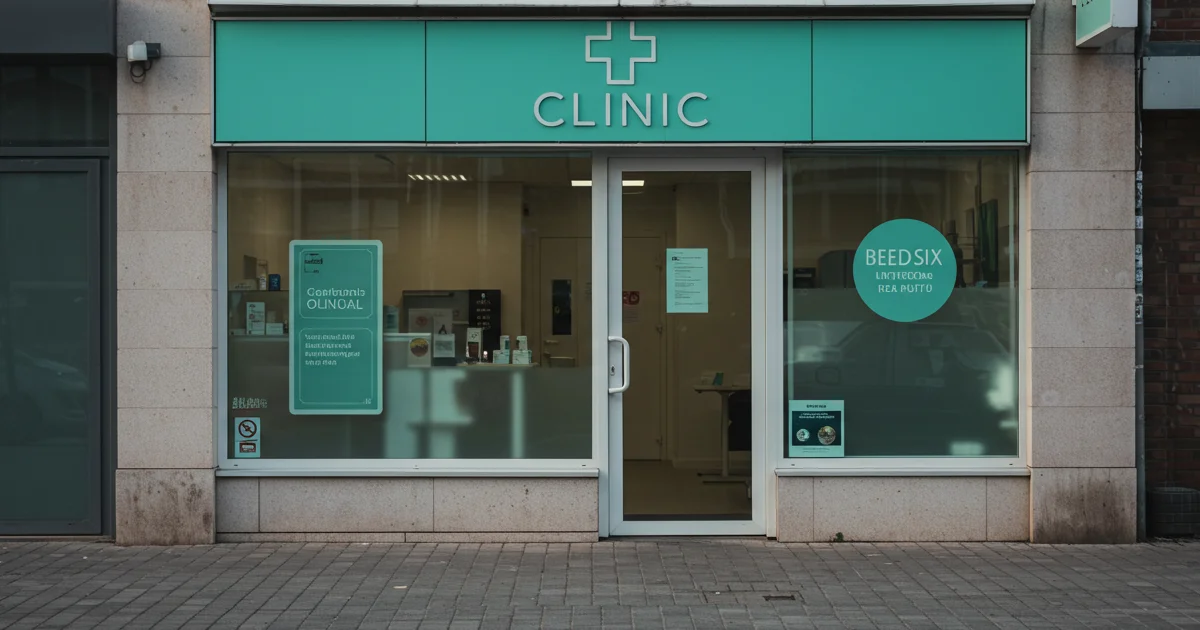
A walk-in clinic locator helps patients find urgent care by neighborhood, hours notes, and service tags. HVCE publishes clinic profiles as crawlable, map-ready pages with careful CTAs—so health publishers and agencies can deliver local healthcare directories that prioritize clarity, speed, and consistent facts over flashy app chrome.
-
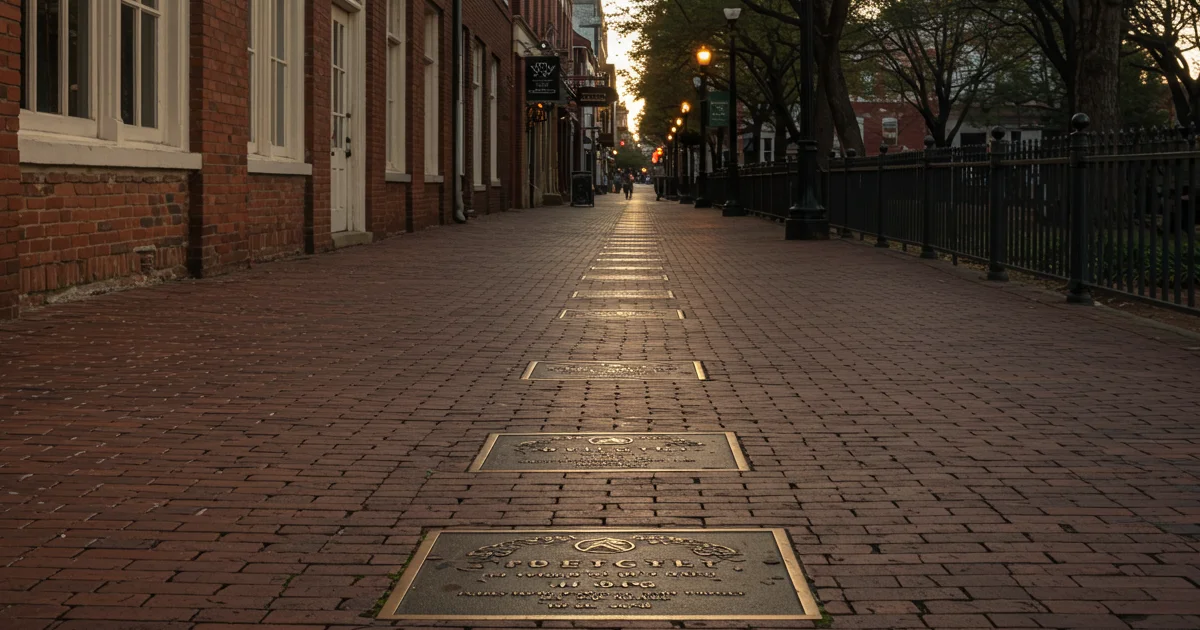
Heritage walking-trail directory
A heritage walking-trail directory presents historic routes and interpretive stops as structured place entities. HVCE supports map browse, cultural facets, and AI-readable trail profiles—so tourism boards, nonprofits, and developers can ship culturally serious local SEO that still feels light on mobile.