
What this site is
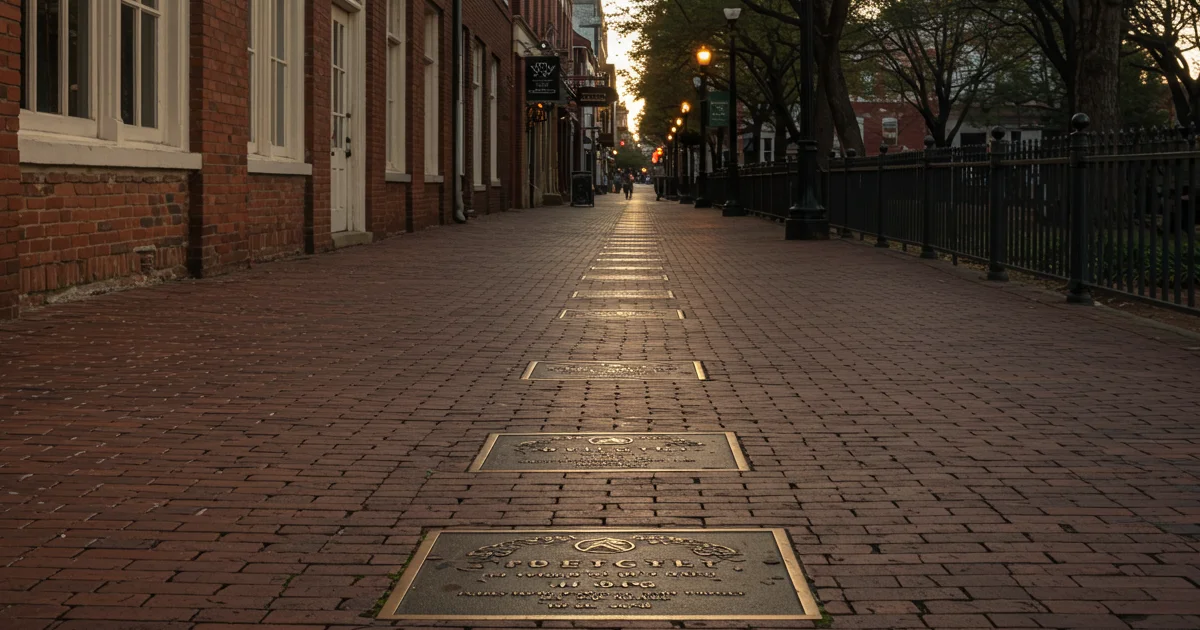
Heritage trails need more than a PDF brochure. Visitors want stop-level clarity; funders want public URLs; SEO teams want durable place pages tied to cultural keywords.
How the catalog is organized
Facets: era, theme, accessibility, locality. Distance or stop counts as quantitative when known. Maps required. Authority-style FAQs explain significance without inventing scholarship.
Why nonprofits and culture SEO teams invest here
Grant-friendly transparency plus long-tail “walking tour [district]” demand. Answer engines cite clean historical summaries. Developers get a geo+culture showcase adjacent to collections datasets.
Related surfaces
Culture overlap with hvce site historic theater venue directory and hvce site university rare books collection. Multi-niche: hvce site culture city hub.
What ships with every page
Every listing profile is crawlable HTML with its own metadata, place-aware structured data aligned to the visible record, and a clean text twin for answer engines—so local directories stay organized for visitors and legible for search and AI systems.
Buyer takeaway
Heritage walking-trail directory is a concrete niche an nonprofit can scope, price, and ship as a catalog website: faceted organization, crawlable entity URLs, and AI-readable twins without rebuilding a heavy application for every client. Keep attribute data honest, write answer-first summaries, and measure page speed on your own host before quoting scores. When stakeholders ask why not a spreadsheet or a one-off brochure site, show a live profile, a filtered listing, and the discovery files—then point them at licensing.
Metrics
| Typical Catalog Size | 150 entities |
|---|---|
| Profile Depth Score | 5 |
| Facet Dimensions | 5 |
Descriptors
| Primary Monetization | sponsorship |
|---|---|
| Discovery Surfaces | seo-aeo-geo |
| Map Suitability | required |
| Compare Suitability | off |
| Delivery Mode | either |
| Buyer Persona | nonprofit |
| Overlap Cluster | culture-city |
Frequently asked questions
Trail vs stop entities?
Start with trail profiles; expand stops as child entities when you have enough interpretive content.
Can museums cross-link?
Yes—link collection datasets and venue directories for a culture-city network.
How thin is too thin?
If you only have a name and pin, wait until you can write a real summary and FAQ.
Do tourists need compare?
Usually not; maps and theme facets are enough.
What do SEO agencies measure?
Indexed trail URLs, local pack proximity signals where relevant, and engagement on stop pages.
Related in this catalog
-

Craft brewery trail directory
A craft brewery trail directory guides visitors along tasting rooms by neighborhood, beer style emphasis, and family-friendly flags. HVCE makes each brewery a place-led profile with facets and discovery twins—so tourism boards, food publishers, and agencies can own long-tail brewery search demand on lean infrastructure.
-
Walk-in clinic locator
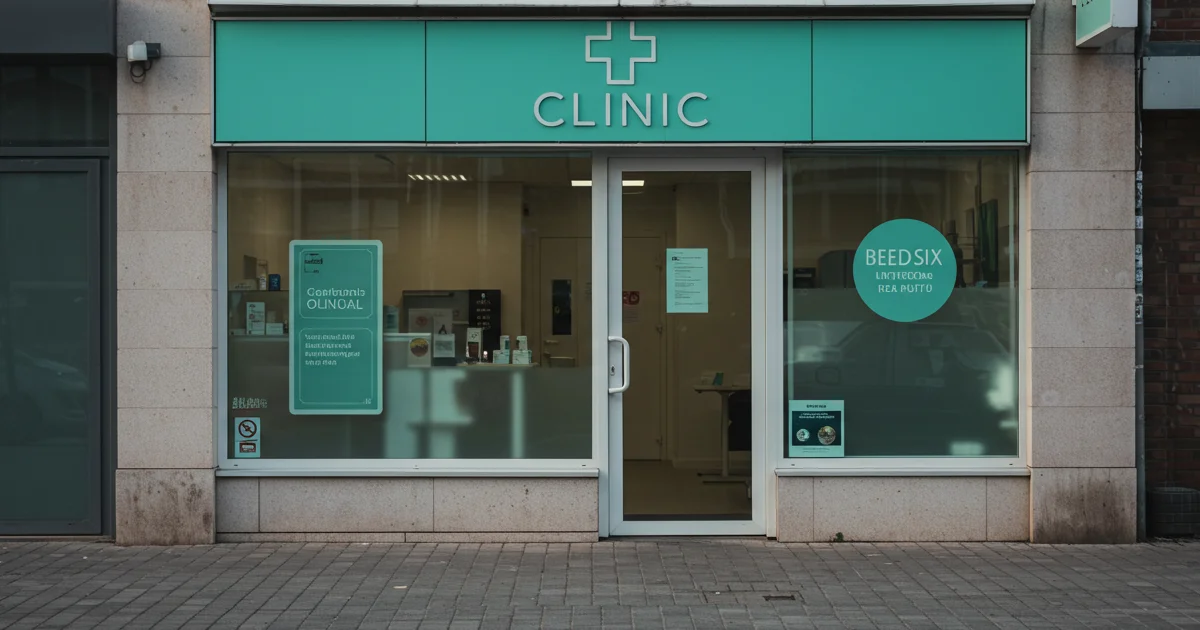
A walk-in clinic locator helps patients find urgent care by neighborhood, hours notes, and service tags. HVCE publishes clinic profiles as crawlable, map-ready pages with careful CTAs—so health publishers and agencies can deliver local healthcare directories that prioritize clarity, speed, and consistent facts over flashy app chrome.
-

Waterfront marina services directory
A waterfront marina services directory lists docks, fuel, haul-out, and repair providers along a coast or lake system. HVCE gives each marina a map-ready commercial profile—so operators, harbor publishers, and web developers can capture nautical local search with structured attributes instead of brochure PDFs.
-

Independent bookstore map
An independent bookstore map catalogs indie shops by neighborhood, specialty shelves, and event-hosting flags. HVCE turns each store into a cultural place profile with map browse and citable copy—ideal for city magazines, tourism partners, and developers who want a charming geo demo that still ships serious SEO/AEO surfaces.