
What this site is
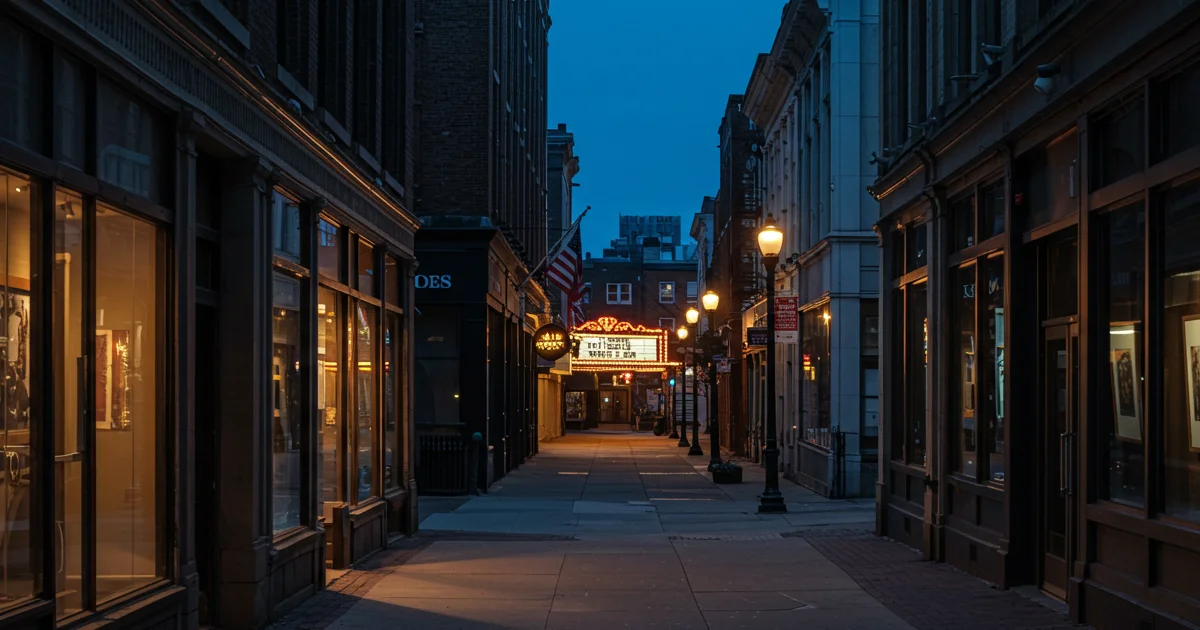
City brands and cultural agencies rarely need just one information shape: theaters are geo services, museum holdings are collections, and landmarks are authority entities. A culture-city hub keeps all three related in navigation while each dataset retains its own honest attribute schema instead of one forced spreadsheet.
How the catalog is organized
Each dataset—venues, collections, landmark authority pages—keeps independent facets and its own map toggle; shared category chips like culture and heritage support cross-browse between them. Compare stays limited to datasets that genuinely need it, such as venue shortlisting, rather than appearing on every page by default.
Why agencies pitch the combined network shape
Forcing every entity into one attribute table creates junk facets and inconsistent structured data across niches. HVCE isolates catalogs internally while still compiling site-level discovery files once, so agencies show clients a full cultural presence without maintaining a separate framework, budget, or hosting bill per niche.
Related surfaces
Outdoor-brand and food-city hubs follow the same combined pattern with different clusters, and hvce site historic theater architecture notes or hvce site university rare books collection can plug directly into the network. For the economics behind one shared deployment, see hvce reason ship cheap fast.
What ships with every page
Every entity across the network is crawlable HTML with its own metadata, structured data aligned to the visible record, and a clean text twin for answer engines—so multi-niche brands stay organized on one domain and legible for search and AI systems.
Metrics
| Typical Catalog Size | 5,000 entities |
|---|---|
| Profile Depth Score | 4 |
| Facet Dimensions | 9 |
Descriptors
| Primary Monetization | mixed |
|---|---|
| Discovery Surfaces | seo-aeo-geo |
| Map Suitability | optional |
| Compare Suitability | optional |
| Delivery Mode | either |
| Buyer Persona | agency |
| Overlap Cluster | culture-city |
Frequently asked questions
What is a multi-niche HVCE network?
Multiple catalogs on one domain, each with its own attributes, sharing hosting and site-level discovery surfaces.
Can datasets enable maps independently?
Yes—a venue directory may enable maps while a pure encyclopedia dataset keeps maps off entirely.
How do agencies benefit from this shape?
One licensed deployment can demonstrate several client-ready verticals without maintaining separate frameworks per project.
Does each niche need its own SEO project?
Each entity still needs good copy, but sitemaps, twins, and manifests compile from the combined catalogs automatically.
How is this different from one giant spreadsheet?
Separate datasets preserve clean facets and schema typing per niche while the hub presents them as one coherent brand.
Related in this catalog
-
Local services lead-gen network
A local services lead-gen network runs several local-service geo directories—HVAC, medical clinics, coworking, marinas—under one lead-generation brand. HVCE keeps each service category as its own dataset with category-specific facets, while the operator shares one lead-routing pattern and one hosting bill across every vertical it serves.
-

Indie commerce multi-SKU network
An indie commerce multi-SKU network runs several product-specification affiliate catalogs across unrelated SKU categories—cameras, headphones, hiking boots—under one indie commerce brand. HVCE keeps each category's numeric attribute schema independent while sharing one domain's discovery files, so a small team scales SKU coverage without multiplying engineering work per category.
-
Outdoor brand multi-niche hub
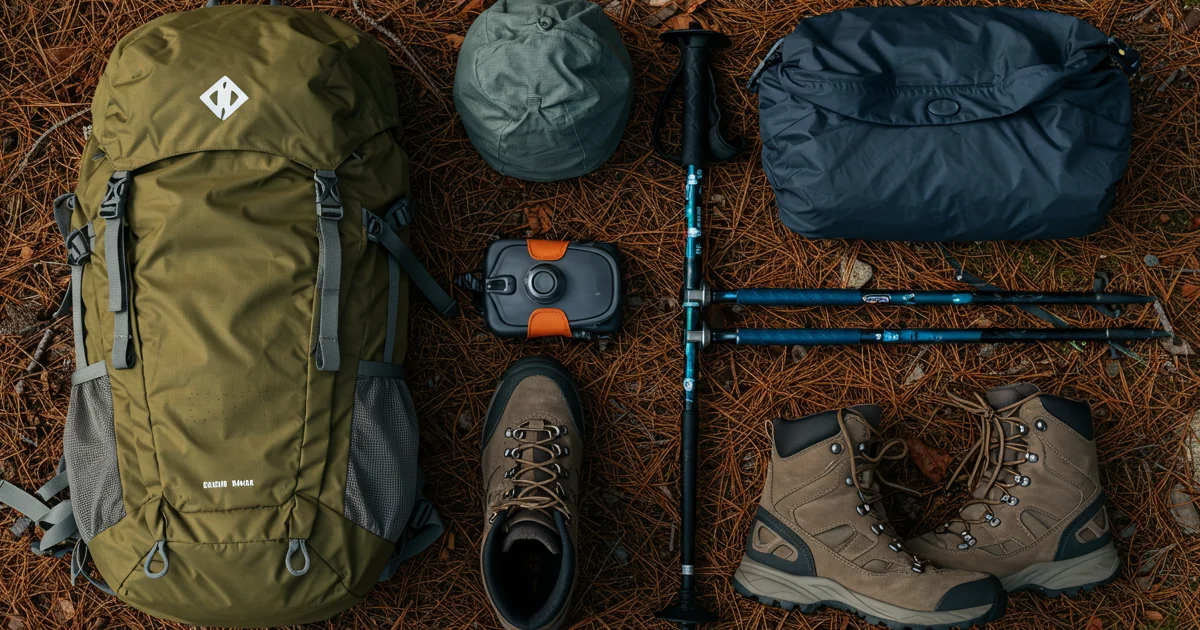
An outdoor brand hub runs gear-comparison affiliate catalogs, trailhead and park geo directories, and geology or species authority pages under one outdoor brand. HVCE keeps each dataset's attribute schema distinct—compare-heavy specs versus map-heavy geo versus concept-level authority—while sharing one domain, one discovery pack, and one hosting bill.
-
Food-city multi-niche hub
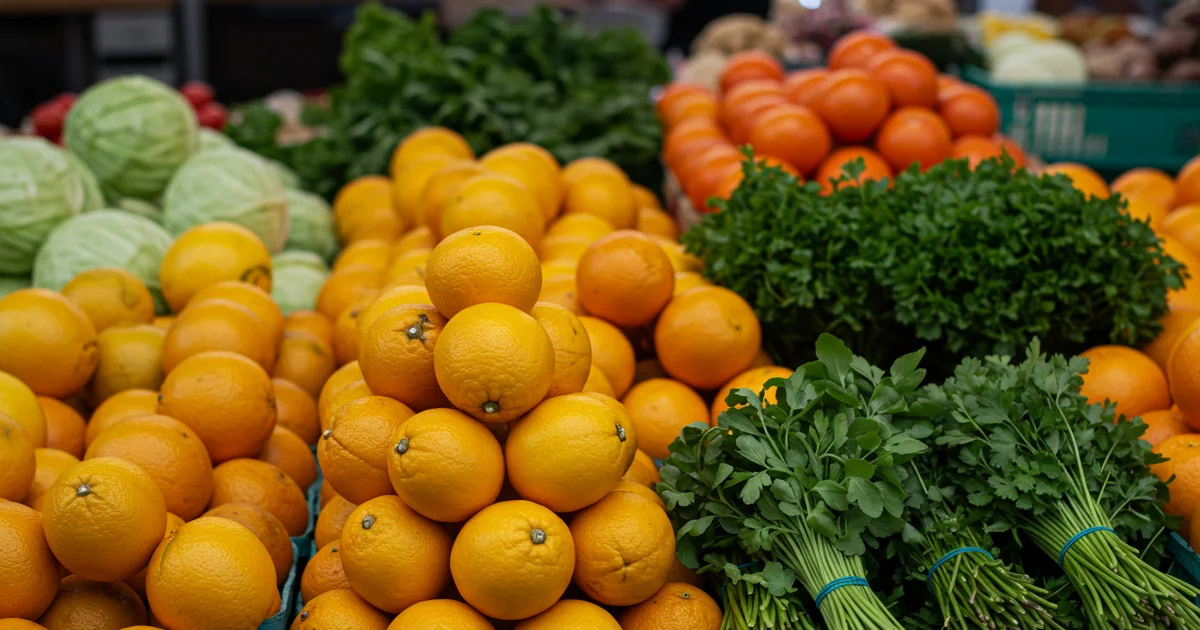
A food-city hub runs farmers-market and brewery-trail geo directories beside cheese, wine, or coffee authority reference pages under one food-and-drink brand. HVCE keeps map-heavy geo datasets and concept-level authority datasets independent, so a regional food publisher builds both trip-planning utility and durable reference authority on one domain.