

What this site is
Special collections librarians use this to give item-level records durable public URLs instead of a static finding-aid PDF. Agencies pitch it to university library systems modernizing digital humanities projects. Developers keep accession identifiers and imprint years as clean typed fields rather than free text.
How the catalog is organized
Imprint year and extent-in-pages stay quantitative when known. Century, language, binding format, and subject heading stay qualitative facets. Compare is optional for teaching sets; map is optional for reading-room location, and depth score reflects how much provenance detail each record carries.
Why library systems and digital-humanities teams choose HVCE
Thin catalog rows fail scholars and AI systems alike. Answer-first summaries and shelfmark FAQs support citation in both classic search and AI-era research tools, while operators avoid rebuilding a bespoke discovery interface for every accession.
Related surfaces
Pairs with hvce site regional art museum collection for cross-institutional culture programming and with heritage geo content in hvce site heritage walking trail directory. See hvce reason ai first for discovery-surface guidance.
What ships with every page
Every item profile is crawlable HTML with its own metadata, structured data aligned to the visible record, and a clean text twin for answer engines—so specialized collections stay authoritative for researchers and legible for search and AI systems.
Metrics
| Typical Catalog Size | 2,500 entities |
|---|---|
| Profile Depth Score | 5 |
| Facet Dimensions | 7 |
Descriptors
| Primary Monetization | sponsorship |
|---|---|
| Discovery Surfaces | seo-aeo-geo |
| Map Suitability | optional |
| Compare Suitability | optional |
| Delivery Mode | ssr |
| Buyer Persona | nonprofit |
| Overlap Cluster | culture-city |
Frequently asked questions
What belongs in a rare books special collection site?
Item-level records with identifiers, imprint or creation period, holding notes, and subject facets—circulation stays in the library system.
Which filters matter most to researchers?
Period, language, format, and subject headings your cataloging staff already maintain.
Can answer engines cite collection items?
Clean summaries and consistent structured data make citation easier; rights and access policy remain institutional decisions.
Is a map required?
Optional—enable it for reading-room or exhibit locations, disable it for a purely bibliographic catalog.
Why give each book a full page?
Durable public URLs support teaching, grant reporting, and AI-era discovery that a single PDF finding aid cannot.
Related in this catalog
-
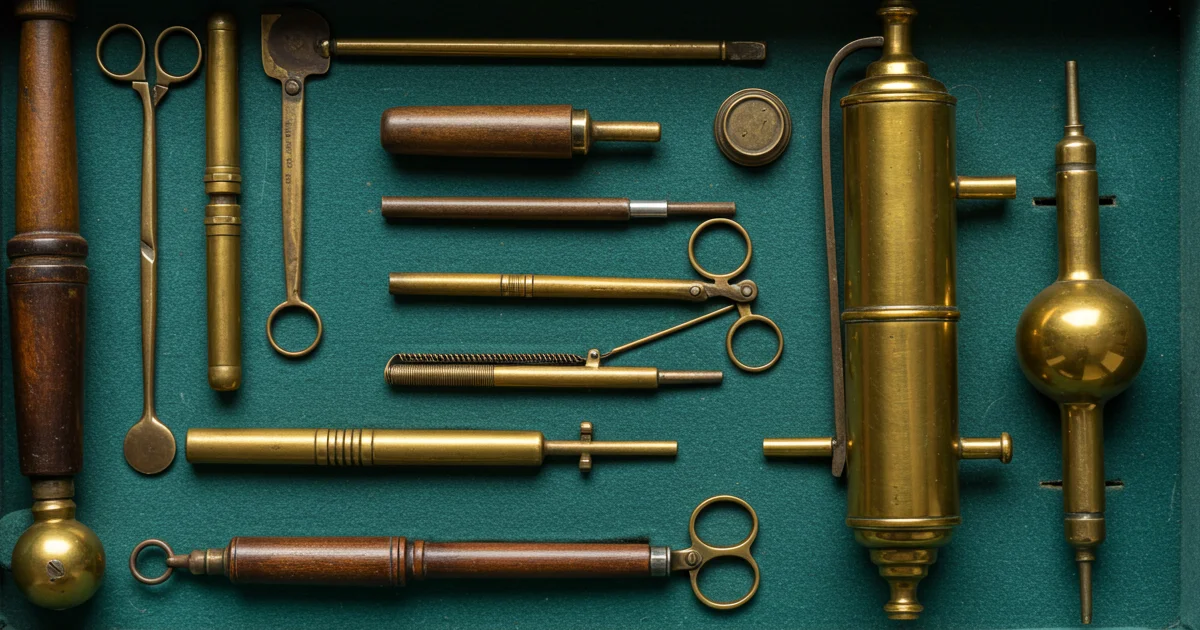
Medical history instrument collection
A medical history instrument collection presents historical surgical and diagnostic instruments by era, clinical function, and material so historians of medicine can research the evolution of clinical practice. HVCE structures each instrument as a full item profile with facets matching medical-history curatorial standards, giving university medical schools and health museums a reference layer suited to careful scholarly and public use.
-
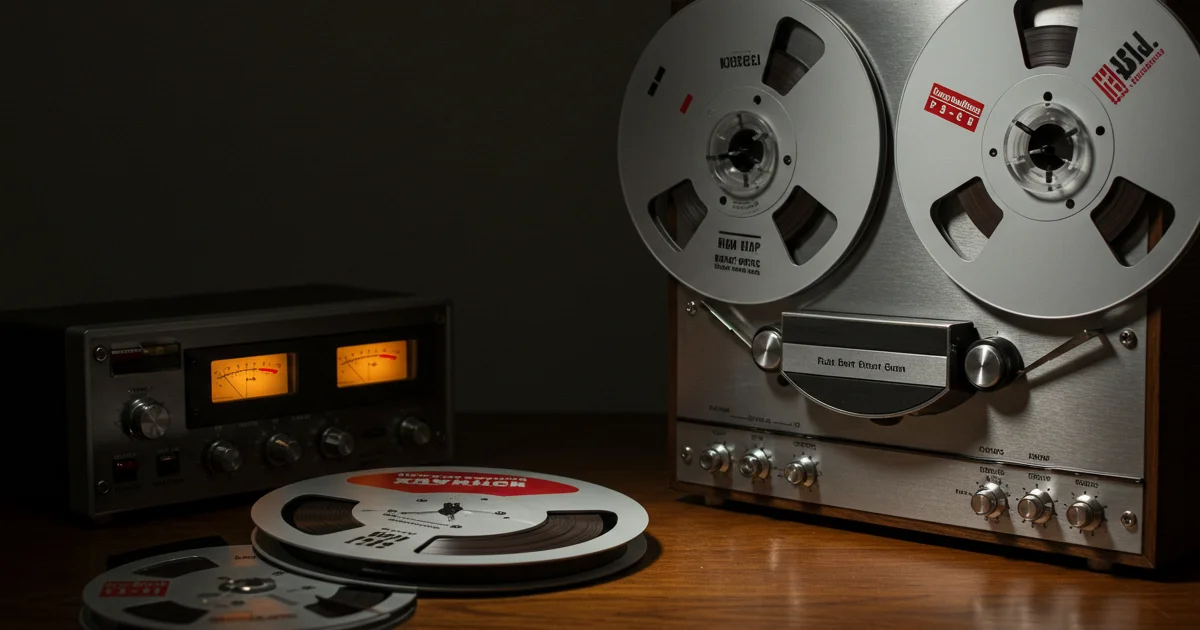
Community oral history media archive
A community oral history media archive presents recorded interviews by narrator, topic, and recording date so local historians and community researchers can locate specific testimony without a manual tape-log search. HVCE structures each recording as a full item profile with facets matching oral-history archival standards, giving community organizations a public reference layer that respects consent and context.
-
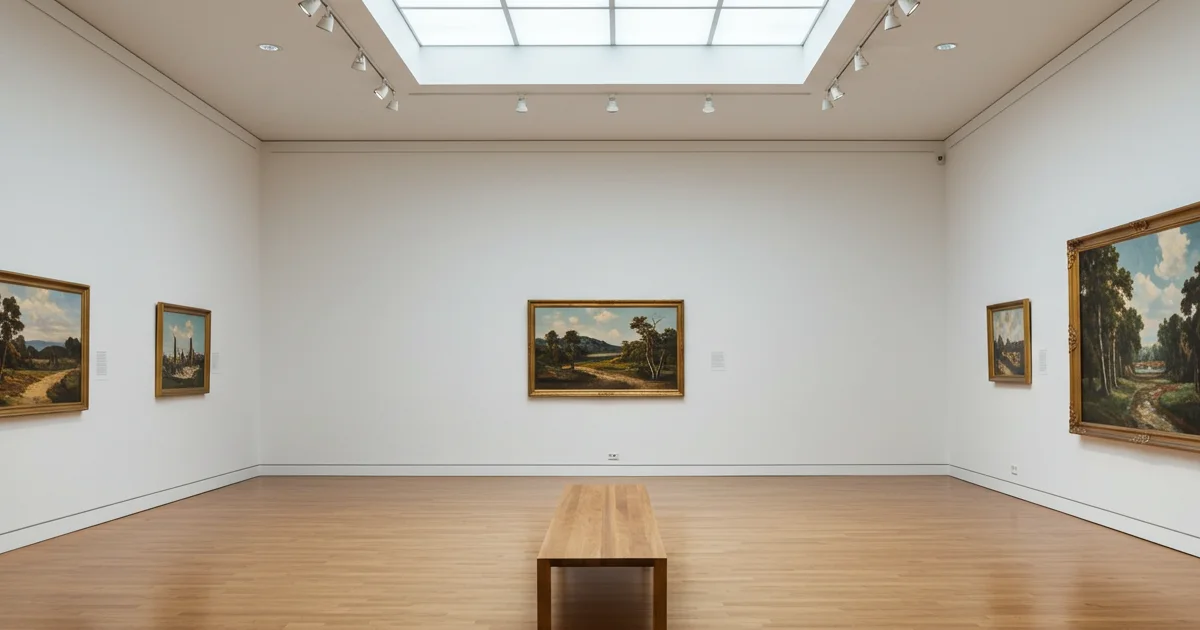
Regional art museum collection
A regional art museum collection presents accessioned artworks as item-level records with medium, period, and provenance facets that support both gallery research and public discovery. HVCE structures each piece as a full profile with taxonomic facets and consistent structured outputs, so mid-size museums can publish a serious digital collection without a bespoke collections-management front end.
-
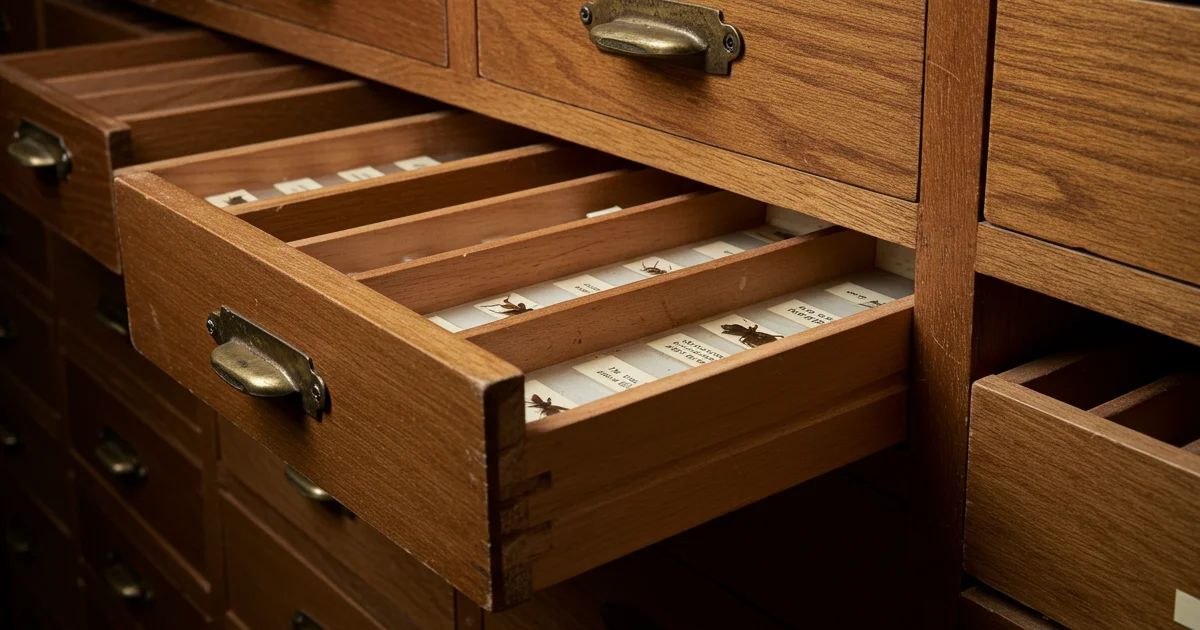
Natural history type specimen cabinet
A natural history type specimen cabinet presents holotype and paratype records with taxonomic classification, collection locality, and repository status for the researchers who cite them. HVCE structures each specimen as a rigorous item profile with facets that mirror museum registrar practice, so natural history museums can publish a serious reference layer alongside their physical cabinets.