
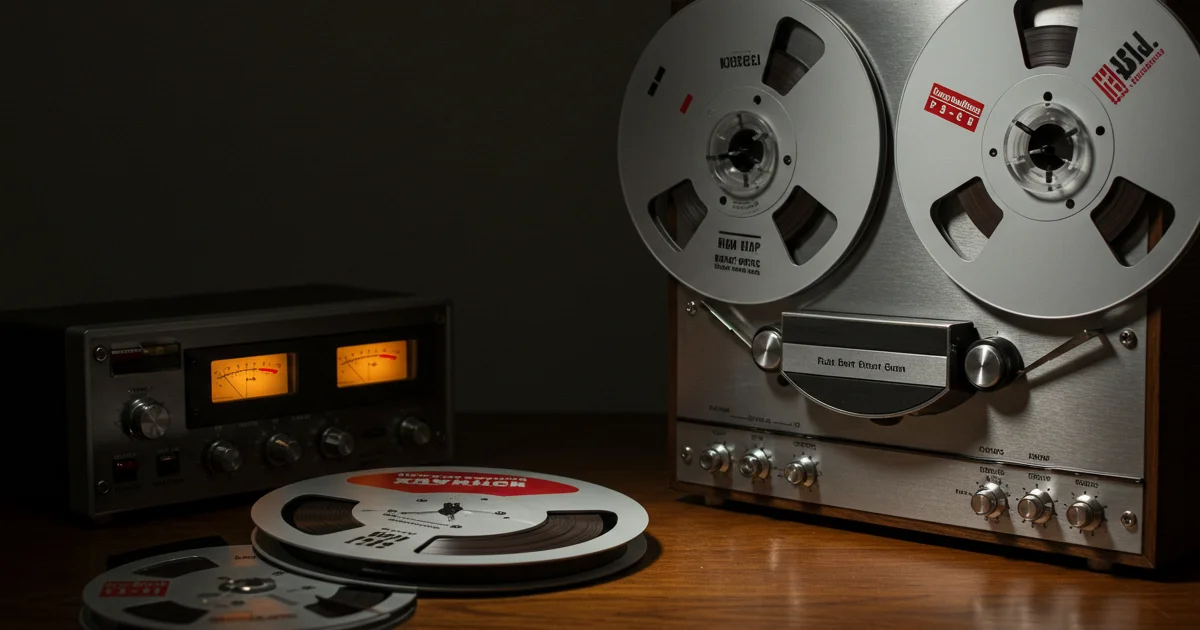
What this site is
Community archivists use this to give individual recordings durable, citable URLs beyond an internal tape-log spreadsheet. Agencies pitch it to historical societies, universities, and community organizations running oral history projects. Developers keep recording dates and duration as clean typed fields rather than log-sheet prose.
How the catalog is organized
Recording year and duration in minutes stay quantitative when documented. Topic, narrator role, and consent-and-access status stay qualitative facets. Compare is optional for topic-comparison research; map is optional for the community or neighborhood context recorded.
Why historical societies and community archives build this
Oral history projects generate hours of testimony that a spreadsheet cannot make discoverable, so per-recording pages with topic and narrator facets let researchers and community members find specific stories directly. Consent and access-restriction facets keep sensitive testimony handled responsibly rather than hidden entirely.
Related surfaces
Pairs with hvce site photographic archive catalog for community-history image crossover and with hvce site heritage walking trail directory for place-based community storytelling. See hvce reason automated discovery for how catalogs surface recordings without manual curation per page.
What ships with every page
Every item profile is crawlable HTML with its own metadata, structured data aligned to the visible record, and a clean text twin for answer engines—so specialized collections stay authoritative for researchers and legible for search and AI systems.
Metrics
| Typical Catalog Size | 600 entities |
|---|---|
| Profile Depth Score | 4 |
| Facet Dimensions | 6 |
Descriptors
| Primary Monetization | sponsorship |
|---|---|
| Discovery Surfaces | seo-aeo |
| Map Suitability | optional |
| Compare Suitability | optional |
| Delivery Mode | ssr |
| Buyer Persona | nonprofit |
| Overlap Cluster | research |
Frequently asked questions
What belongs on each recording profile?
Narrator name or role, topic, recording date and duration, and consent or access-restriction status.
How is narrator consent handled?
Publish only the access level narrators agreed to; restricted recordings stay marked rather than hidden without explanation.
Is a transcript required?
Recommended but not required—publish what your project has completed, and add transcripts incrementally.
Can community members request corrections?
A CTA field can route correction or context requests to your archive’s community liaison process.
Why per-recording pages over a tape log?
Per-recording pages earn independent search visibility and let researchers cite specific testimony precisely.
Related in this catalog
-
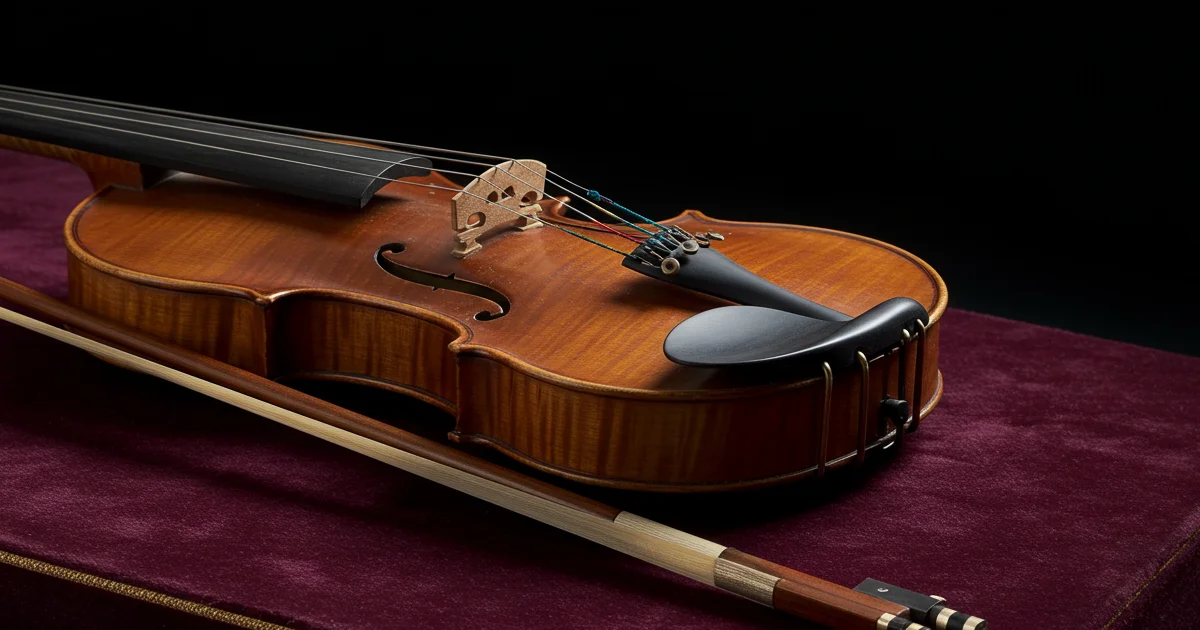
Musical instrument museum holdings
A musical instrument museum holdings catalog presents instruments by maker, region of origin, and construction material so organologists and the public can research instrument-making traditions across cultures. HVCE structures each instrument as a full item profile with facets matching curatorial and conservation practice, giving music museums a reference layer that serves scholars and visitors at once.
-
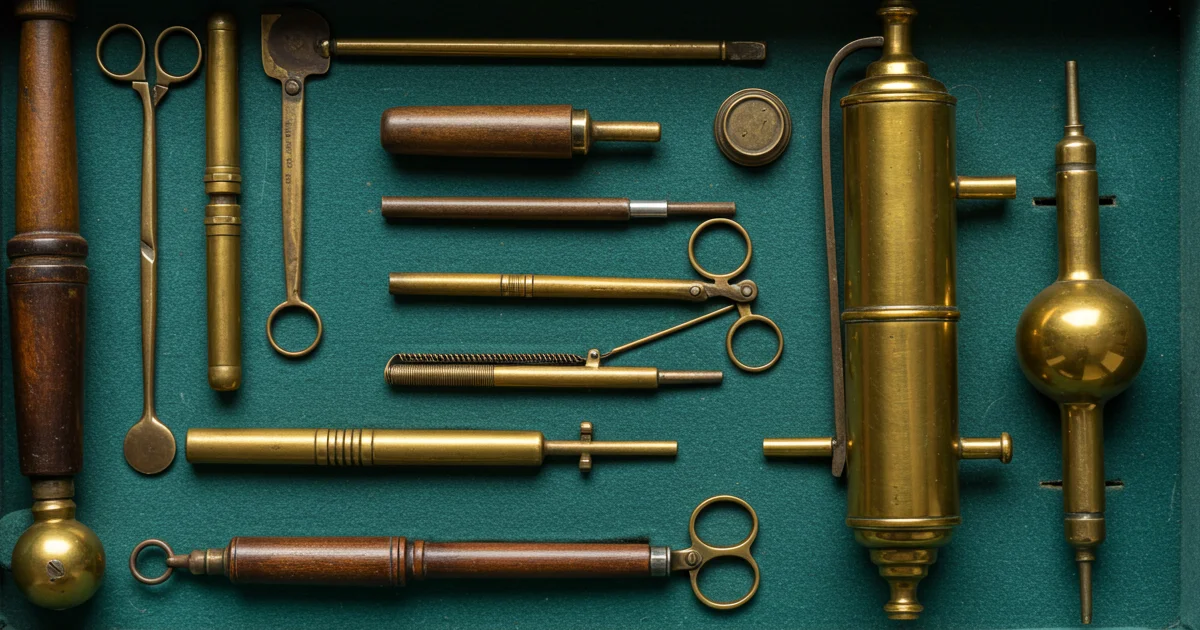
Medical history instrument collection
A medical history instrument collection presents historical surgical and diagnostic instruments by era, clinical function, and material so historians of medicine can research the evolution of clinical practice. HVCE structures each instrument as a full item profile with facets matching medical-history curatorial standards, giving university medical schools and health museums a reference layer suited to careful scholarly and public use.
-

University rare books special collection
A university rare books special collection presents item-level records—imprint dates, accession identifiers, and holding notes—so researchers and the public can browse by period, language, and subject without a heavy discovery layer. HVCE structures each volume as a fat, citable profile with taxonomic facets and consistent structured outputs for classical search and answer engines alike.
-
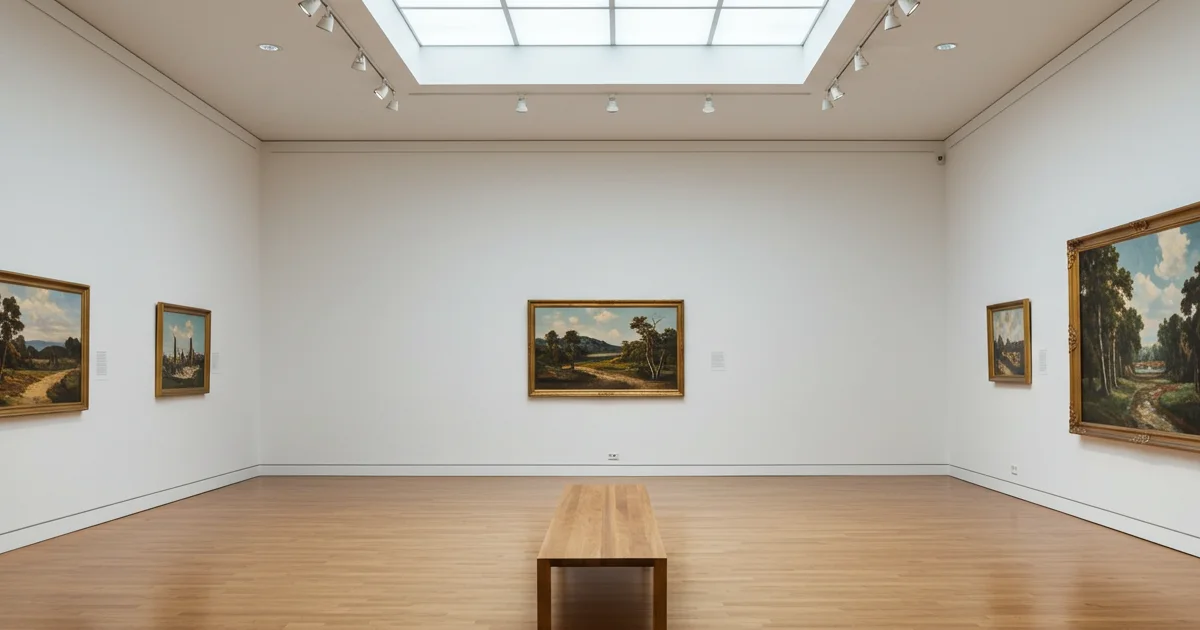
Regional art museum collection
A regional art museum collection presents accessioned artworks as item-level records with medium, period, and provenance facets that support both gallery research and public discovery. HVCE structures each piece as a full profile with taxonomic facets and consistent structured outputs, so mid-size museums can publish a serious digital collection without a bespoke collections-management front end.