
What this site is
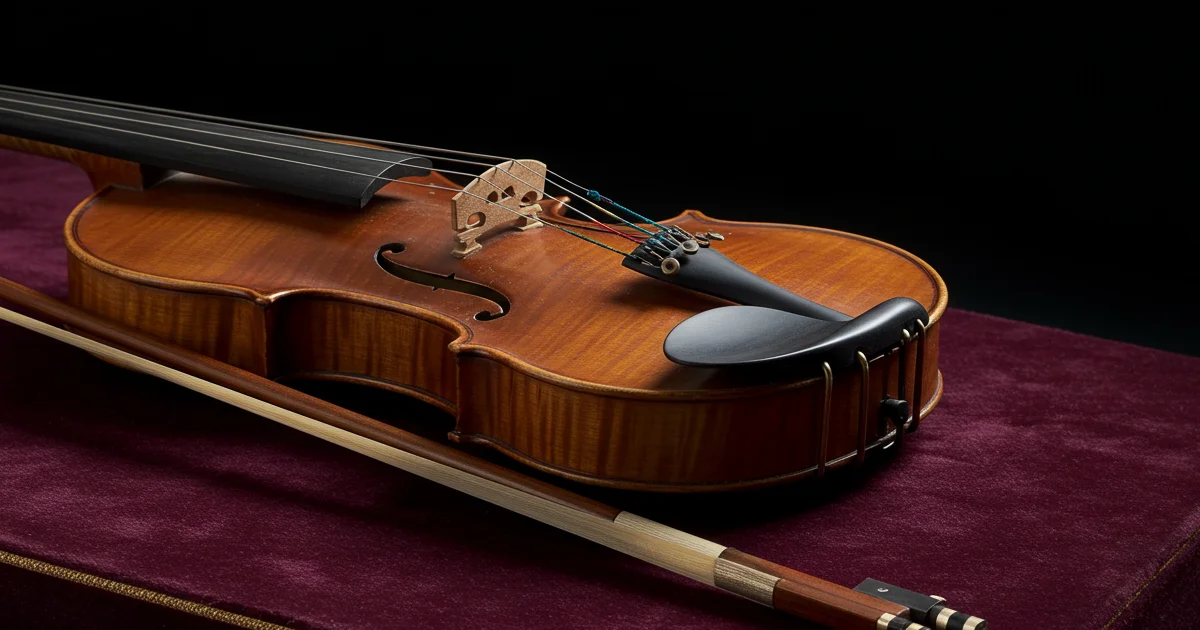
Instrument curators use this to give individual pieces durable, citable URLs beyond a single gallery case description. Agencies pitch it to music museums and university ethnomusicology programs. Developers keep construction years and dimensions as clean typed fields rather than gallery-label prose.
How the catalog is organized
Construction year and dimensions stay quantitative when documented. Maker, region of origin, and construction material stay qualitative facets. Compare is optional for maker-comparison research; map is optional for regional-origin context, and facet dimensions stay consistent across instrument families.
Why music museums and ethnomusicology programs invest here
Organologists research construction technique and regional tradition in detail that a gallery label cannot hold, so a structured per-instrument catalog becomes the natural scholarly reference. Answer-first maker and region facts help both classic search and AI research tools cite the collection accurately.
Related surfaces
Complements hvce site ceramic study collection for adjacent material-culture research and hvce site regional art museum collection for cross-institutional culture programming. See hvce site culture city hub for multi-venue culture networks.
What ships with every page
Every item profile is crawlable HTML with its own metadata, structured data aligned to the visible record, and a clean text twin for answer engines—so specialized collections stay authoritative for researchers and legible for search and AI systems.
Metrics
| Typical Catalog Size | 1,100 entities |
|---|---|
| Profile Depth Score | 5 |
| Facet Dimensions | 6 |
Descriptors
| Primary Monetization | sponsorship |
|---|---|
| Discovery Surfaces | seo-aeo-geo |
| Map Suitability | optional |
| Compare Suitability | optional |
| Delivery Mode | ssr |
| Buyer Persona | nonprofit |
| Overlap Cluster | culture-city |
Frequently asked questions
What belongs on each instrument profile?
Maker, region of origin, construction year or era, materials, and conservation status your curators track.
Is this a playable-instrument rental site?
No. It documents museum-held instruments for research and exhibition, not performance rental.
How do we handle instruments of uncertain origin?
Use a qualitative “attributed region” value and note uncertainty rather than guessing a precise origin.
Can this cover both Western and non-Western traditions?
Yes—region and tradition facets keep global holdings organized within one dataset.
Why structured data over a gallery label?
Structured pages hold far more scholarly detail than a label and earn independent search visibility.
Related in this catalog
-
Film stills study collection
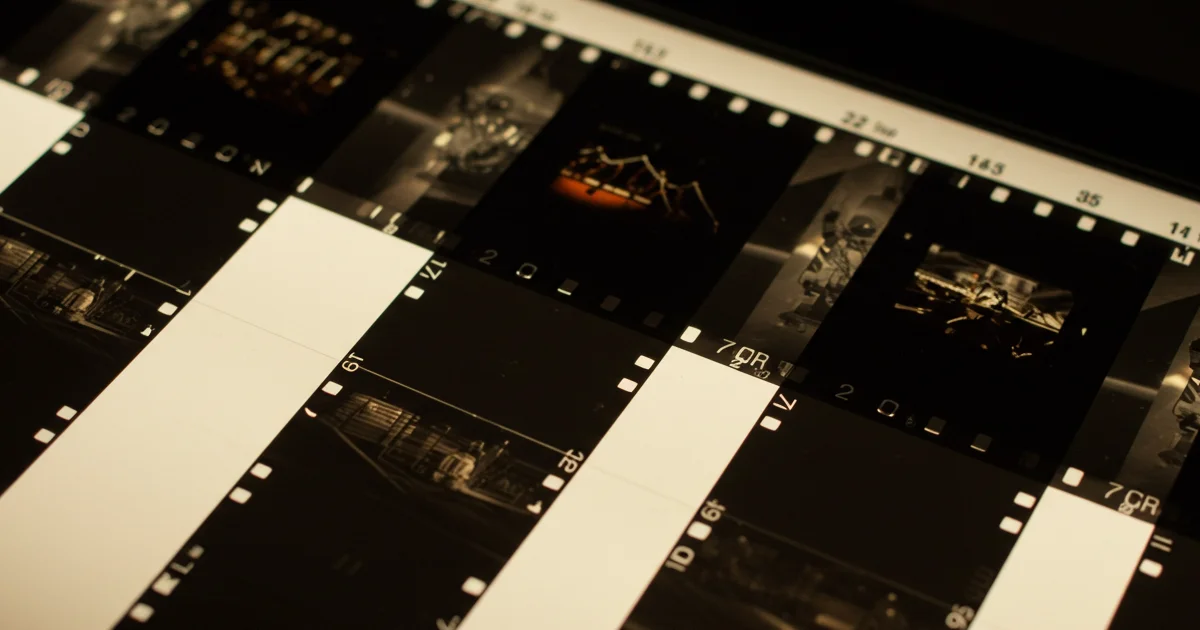
A film stills study collection presents production photographs and lobby cards by film title, studio, and print format so film historians can research visual and production history frame by frame. HVCE structures each still as a full item profile with facets matching archival film-studies practice, giving cinema archives a reference layer built for scholarly reuse rather than casual browsing.
-
Ceramic study collection
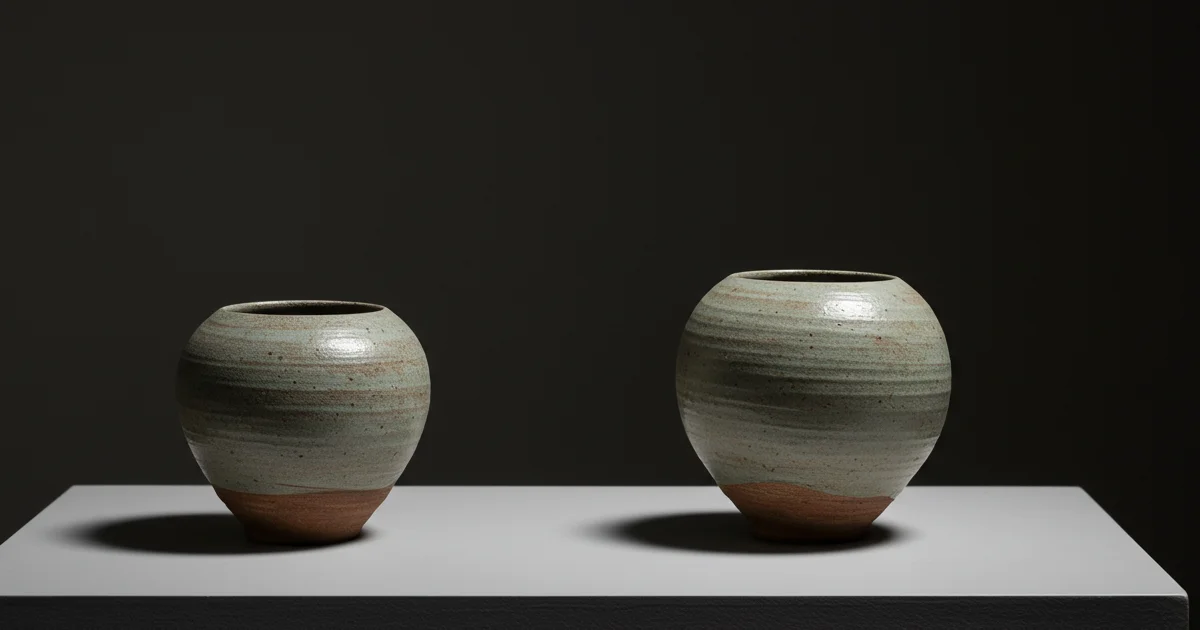
A ceramic study collection presents pottery and porcelain objects by ware type, glaze composition, and kiln origin so material-culture researchers can trace production techniques across regions and centuries. HVCE structures each object as a full item profile with facets matching ceramics-curatorial practice, giving museums and university programs a reference layer that respects the technical detail specialists expect.
-
Medical history instrument collection
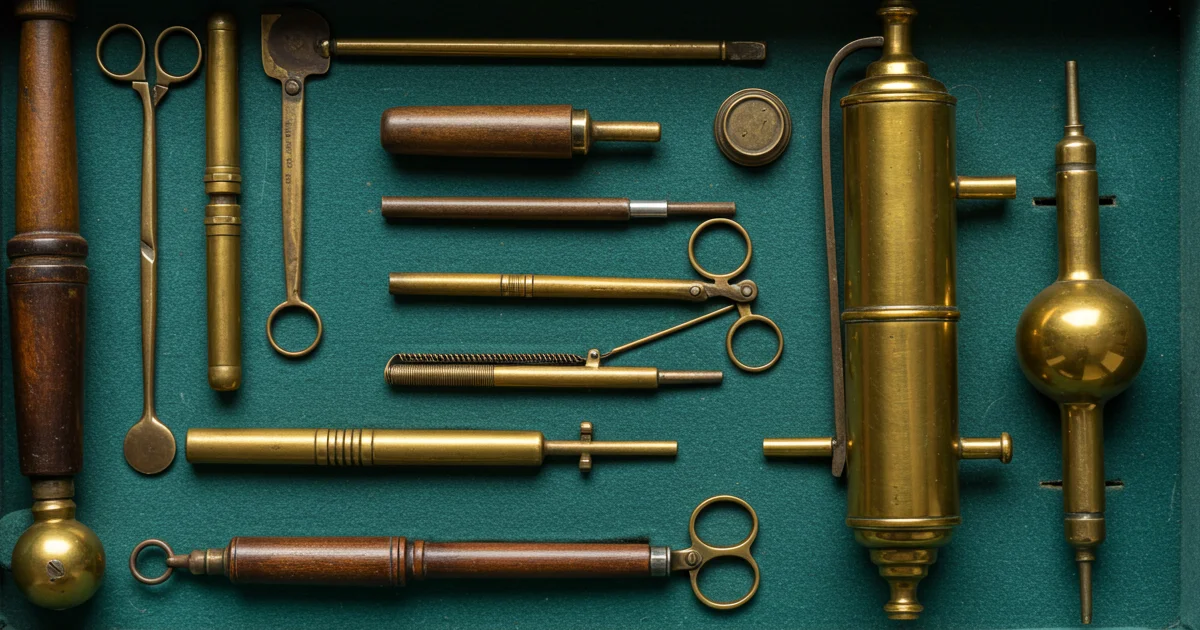
A medical history instrument collection presents historical surgical and diagnostic instruments by era, clinical function, and material so historians of medicine can research the evolution of clinical practice. HVCE structures each instrument as a full item profile with facets matching medical-history curatorial standards, giving university medical schools and health museums a reference layer suited to careful scholarly and public use.
-
Community oral history media archive
A community oral history media archive presents recorded interviews by narrator, topic, and recording date so local historians and community researchers can locate specific testimony without a manual tape-log search. HVCE structures each recording as a full item profile with facets matching oral-history archival standards, giving community organizations a public reference layer that respects consent and context.