
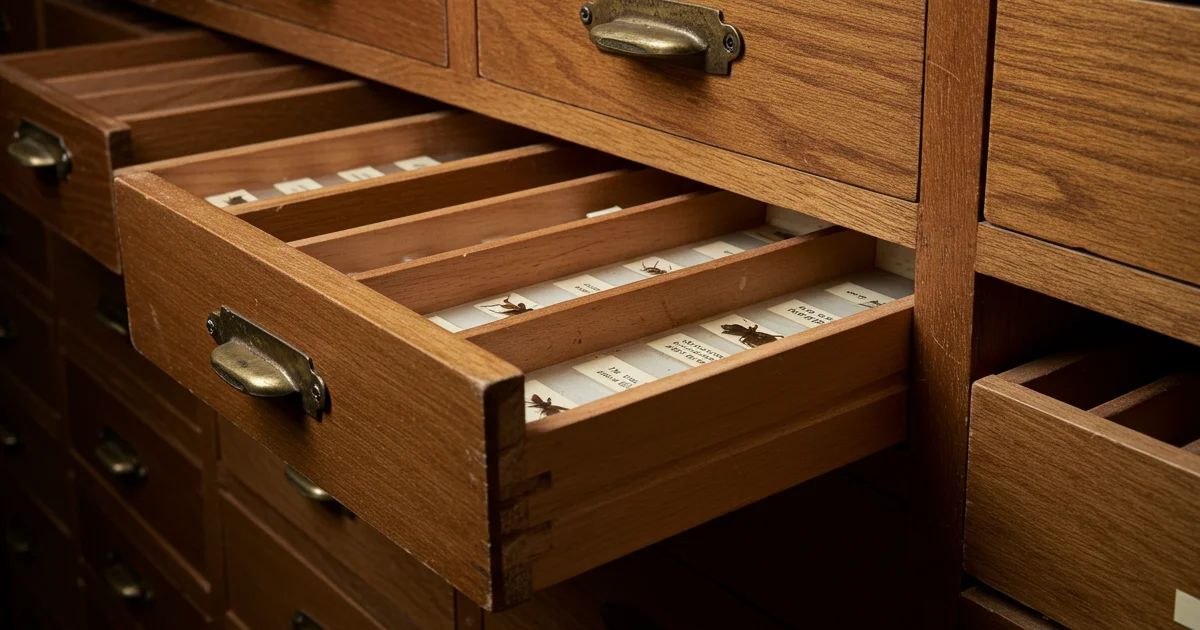
What this site is
Collections managers use this to give type specimens durable, citable URLs that match how taxonomists already reference holdings in published literature. Agencies pitch it to natural history museums digitizing registrar records. Developers keep collection-locality coordinates and catalog numbers as clean typed fields.
How the catalog is organized
Collection-locality coordinates and collection year stay quantitative when documented. Taxonomic rank, holotype-versus-paratype status, and preservation method stay qualitative facets. Compare is optional for taxonomic teaching sets; map is required for locality context.
Why natural history museums and research institutions build this
Taxonomic literature already cites specimens by catalog number, so a public item page with that exact identifier becomes a natural citation target. Consistent structured data across formats matters more here than almost anywhere, since a single wrong locality coordinate can propagate into published research.
Related surfaces
Pairs with hvce site university herbarium digitization catalog for cross-collection natural-science coverage and with hvce site archaeological find catalog for adjacent field-collection methodology. See hvce reason consistent outputs for why scalar parity matters most in scientific contexts.
What ships with every page
Every item profile is crawlable HTML with its own metadata, structured data aligned to the visible record, and a clean text twin for answer engines—so specialized collections stay authoritative for researchers and legible for search and AI systems.
Metrics
| Typical Catalog Size | 3,200 entities |
|---|---|
| Profile Depth Score | 5 |
| Facet Dimensions | 8 |
Descriptors
| Primary Monetization | sponsorship |
|---|---|
| Discovery Surfaces | seo-aeo-geo |
| Map Suitability | required |
| Compare Suitability | optional |
| Delivery Mode | ssr |
| Buyer Persona | nonprofit |
| Overlap Cluster | research |
Frequently asked questions
What is a type specimen?
The reference individual—holotype or paratype—that formally anchors a species description in taxonomic literature.
What data belongs on each specimen page?
Catalog number, taxonomic classification, collection locality and date, and holotype status your registrar already records.
Why is map suitability required here?
Collection-locality coordinates are scientifically significant, not decorative, for taxonomic and biogeographic research.
Can this catalog support ongoing accessions?
Yes—new specimens add as new rows without disturbing the identifiers researchers already cite.
How strict must the numeric fields be?
Very strict—coordinates and dates should match registrar records exactly, since published research may depend on them.
Related in this catalog
-

University rare books special collection
A university rare books special collection presents item-level records—imprint dates, accession identifiers, and holding notes—so researchers and the public can browse by period, language, and subject without a heavy discovery layer. HVCE structures each volume as a fat, citable profile with taxonomic facets and consistent structured outputs for classical search and answer engines alike.
-
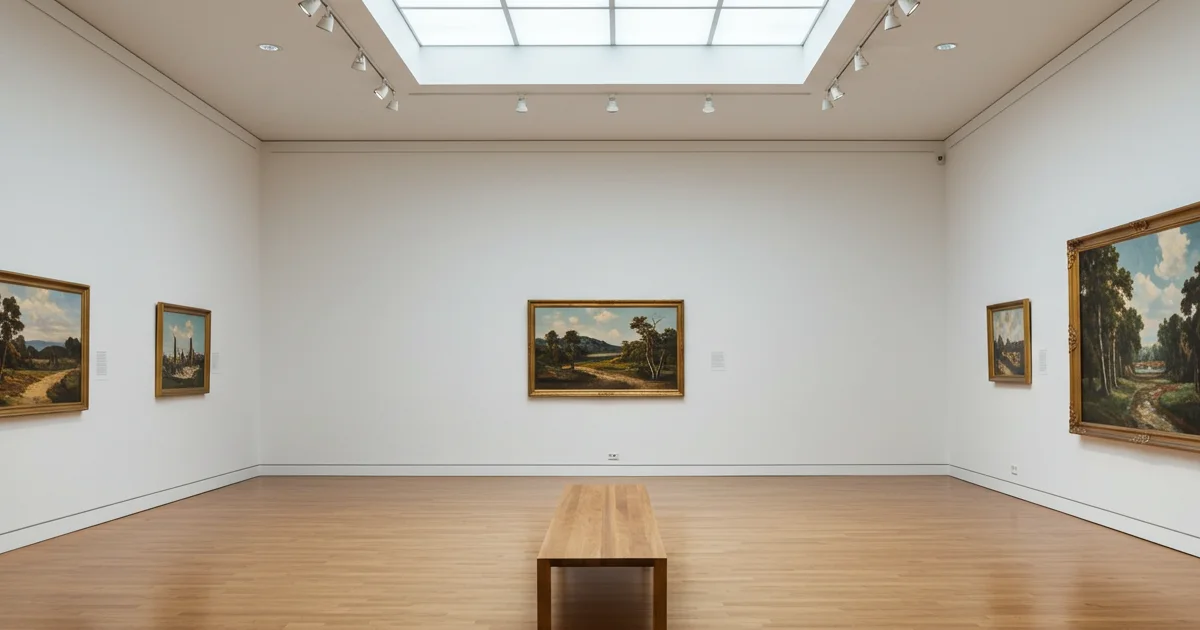
Regional art museum collection
A regional art museum collection presents accessioned artworks as item-level records with medium, period, and provenance facets that support both gallery research and public discovery. HVCE structures each piece as a full profile with taxonomic facets and consistent structured outputs, so mid-size museums can publish a serious digital collection without a bespoke collections-management front end.
-
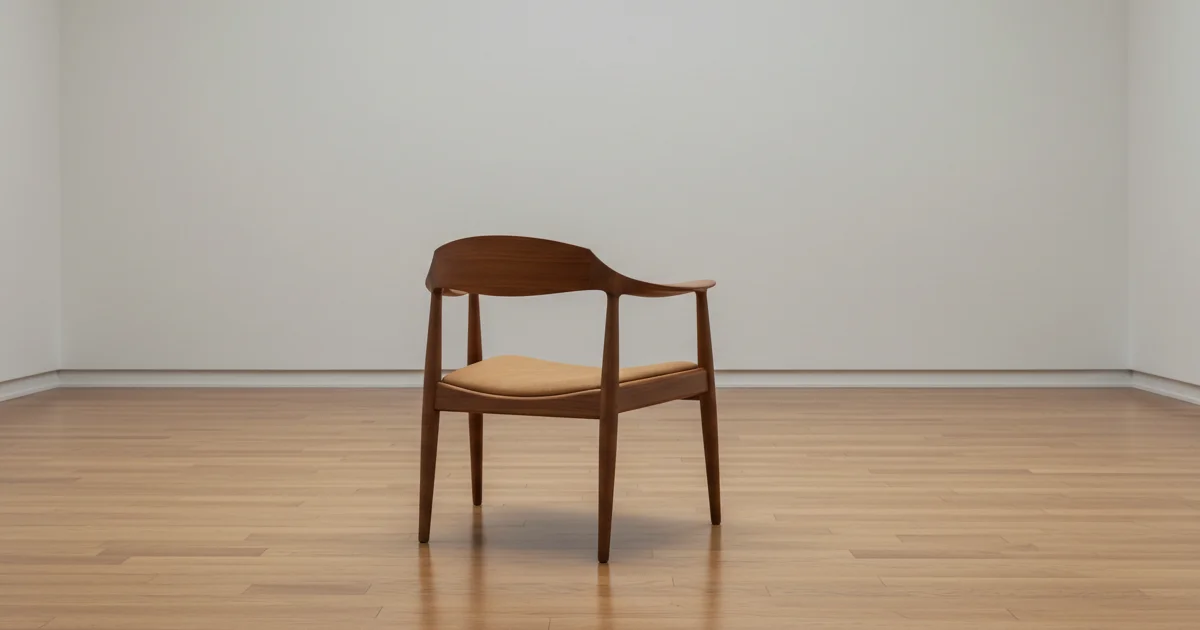
Design museum furniture line
A design museum furniture line presents accessioned pieces by designer, material, and production era so design historians and the public can trace a manufacturer or movement across decades. HVCE structures each piece as a full item profile with taxonomic facets and consistent structured outputs, letting design-focused institutions publish a reference catalog that reads as authoritative as it looks in the gallery.
-

Photographic archive catalog
A photographic archive catalog presents individual images or negatives by photographer, format, and capture date so researchers and licensing clients can locate specific frames without wading through a finding aid. HVCE structures each image as a full item profile with facets and consistent structured outputs, giving photo archives a public reference layer that respects rights and provenance.