
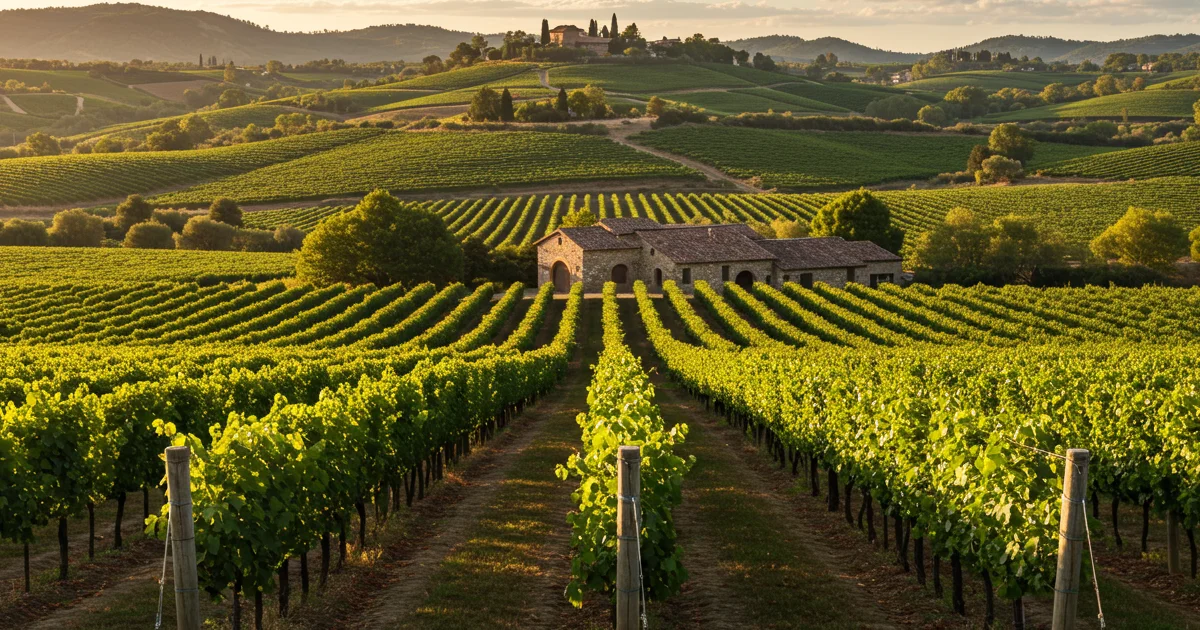
What this site is
Wine tourists ask three different questions across one trip: where to taste, what a varietal actually is, and what is happening this weekend. A multi-surface network runs each as its own dataset, so a cultivar definition stays evergreen while an event listing can expire without breaking anything else.
How the catalog is organized
The tasting-room dataset keeps map-required place facets and optional compare for shortlisting; the cultivar dataset keeps concept-level facets with maps off; the events dataset keeps clearly date-bound listings. Shared wine-region category chips connect all three surfaces for browsing without ever merging their underlying schemas.
Why wine regions and boards fund the three-surface build
A wine board wants tourism revenue, educational credibility, and event promotion simultaneously, and no single dataset shape can serve all three goals well on its own. Running tasting rooms, cultivar authority, and events together lets one domain serve the whole visitor journey from initial planning through arrival and the visit itself.
Related surfaces
Composes from hvce site craft brewery trail directory-style geo listings, hvce site wine grape cultivar encyclopedia for authority depth, and a seasonal festival dataset for the events surface. See hvce reason ship cheap fast for running all three surfaces on one lean, affordable deployment.
What ships with every page
Every entity across the network is crawlable HTML with its own metadata, structured data aligned to the visible record, and a clean text twin for answer engines—so multi-niche brands stay organized on one domain and legible for search and AI systems.
Metrics
| Typical Catalog Size | 800 entities |
|---|---|
| Profile Depth Score | 4 |
| Facet Dimensions | 9 |
Descriptors
| Primary Monetization | mixed |
|---|---|
| Discovery Surfaces | seo-aeo-geo |
| Map Suitability | optional |
| Compare Suitability | optional |
| Delivery Mode | either |
| Buyer Persona | nonprofit |
| Overlap Cluster | food-drink |
Frequently asked questions
Do tasting rooms and cultivar pages share attributes?
No—tasting rooms keep place and amenity facets; cultivars keep concept-level climate and color facets separately.
How do events stay current?
As a date-bound dataset refreshed on its own schedule, distinct from the evergreen authority and geo datasets.
Can a tourist find everything from one search?
Yes—shared category chips and internal links surface the right dataset from any entry point.
What monetization fits this network?
Sponsorship on tasting-room listings and event promotion, with cultivar authority pages kept commercially neutral.
Who commissions this build?
Regional wine boards, tourism partnerships, and agencies serving wine-country destination marketing.
Related in this catalog
-
Pro-AV dealer multi-catalog
A pro-AV dealer multi-catalog runs product specification matrices—cameras, mixers, displays—beside a dealer or showroom location directory under one reseller domain. HVCE keeps compare-heavy product data separate from map-heavy showroom data, so a dealer network shows both what it sells and where to see it in person.
-
Regional outdoor recreation authority
A regional outdoor recreation authority runs trailhead, gym, or trail geo directories beside geology and species authority pages under one regional outdoor brand. HVCE keeps place-specific access facts separate from durable earth-science and wildlife reference content, so a regional agency covers both trip planning and genuine outdoor expertise.
-
Family travel planning network
A family travel planning network runs kid-friendly attraction and lodging geo directories beside travel-gear affiliate comparison pages under one family-travel brand. HVCE keeps place-specific trip-planning facts separate from product-comparison specs, so parents get both destination guidance and honest gear recommendations from the same trusted domain.
-
Local services lead-gen network
A local services lead-gen network runs several local-service geo directories—HVAC, medical clinics, coworking, marinas—under one lead-generation brand. HVCE keeps each service category as its own dataset with category-specific facets, while the operator shares one lead-routing pattern and one hosting bill across every vertical it serves.