
What this site is
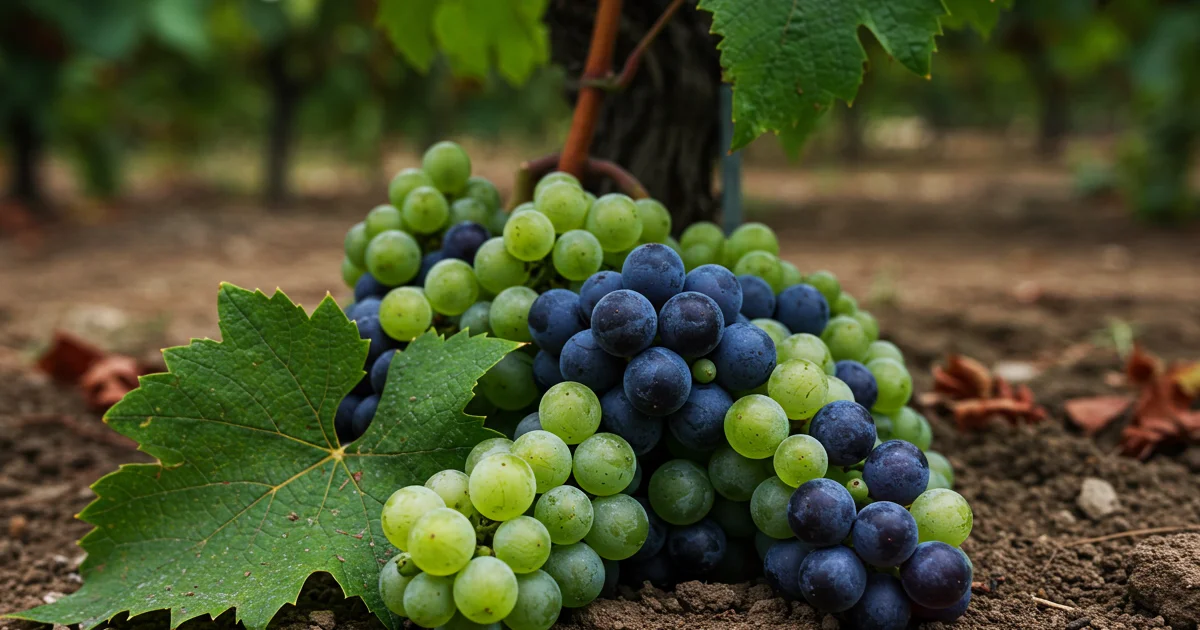
A wine grape cultivar encyclopedia treats each variety—Chardonnay, Albariño, Grüner Veltliner—as a concept entity with ancestry, climate affinity, and flavor profile rather than a bottle SKU list. Oenology publishers and wine schools use it as the reference layer readers and sommelier students return to before commerce ever enters the conversation, keeping tasting notes trustworthy.
How the catalog is organized
Facets cover color class, aromatic family, and climate affinity; global plantings figures and typical ABV bands stay strict numeric fields you can defend with sourcing. Maps stay off at the concept layer since a cultivar spans many appellations, not one pin. Compare helps readers weigh Chardonnay against Chenin Blanc without guesswork.
Why oenology publishers and educators buy in
Reference queries like "what is Albariño" reward answer-first structure, and HVCE's FAQ blocks mirror exactly how students and sommeliers phrase questions. Developers avoid building a bespoke taxonomy tool; publishers get citable, dated entries answer engines trust more than scraped tasting-note aggregators recycling the same paragraph across a dozen domains.
Related surfaces
Pairs naturally with affiliate wine-tools hubs and with hvce site wine country multi surface network when a region wants authority plus geo plus travel listings on one domain. For the underlying consistency argument agencies pitch clients, point them to hvce reason consistent outputs.
What ships with every page
Every reference profile is crawlable HTML with its own metadata, answer-first framing, structured data aligned to visible facts, and a clean text twin for answer engines—so authority bases stay trustworthy for learners and citable for search and AI systems.
Metrics
| Typical Catalog Size | 400 entities |
|---|---|
| Profile Depth Score | 5 |
| Facet Dimensions | 6 |
Descriptors
| Primary Monetization | mixed |
|---|---|
| Discovery Surfaces | seo-aeo |
| Map Suitability | off |
| Compare Suitability | optional |
| Delivery Mode | either |
| Buyer Persona | publisher |
| Overlap Cluster | food-drink |
Frequently asked questions
How is a cultivar encyclopedia different from a tasting-notes blog?
Each variety is a structured reference entity with typed facets and FAQs, not a rotating series of subjective tasting posts.
Do I need bottle-level SKU data?
No. Commerce belongs in a separate affiliate dataset; this authority base stays concept-level.
Are plantings figures required?
Only publish global plantings or ABV bands you can source; otherwise keep the field qualitative.
Should maps be enabled?
Usually not—cultivars span many regions, so a single pin misrepresents the entity.
Can this feed a wine-country multi-niche network?
Yes—authority cultivar pages sit naturally beside geo tasting-room directories on the same domain.
Related in this catalog
-

Typography classification base
A typography classification base documents typeface classes—Humanist, Geometric Sans, Slab Serif—as concept entities with era, structural traits, and notable lineage rather than a font-download store. HVCE structures each class as an answer-first reference so design publishers and schools earn citations for real classification scholarship.
-

Regional hiking geology primer
A regional hiking geology primer documents rock formations and geological eras along a hiking region—slickrock, hoodoos, glacial moraine—as reference entities rather than a trail-condition app. HVCE ships each formation type as an answer-first profile, so outdoor publishers earn citations for genuine earth-science content beside their trail-access directories.
-

World heritage landmark profiles
World heritage landmark profiles document sites like Angkor Wat or the Alhambra as concept entities—inscription criteria, era, and cultural significance—rather than travel-booking pages. HVCE ships each landmark as an answer-first reference with FAQs and typed facts, so heritage publishers and cultural agencies earn durable citations instead of thin listicle traffic.
-

World languages speaker census base
A world languages speaker census base treats each language—Bengali, Hindustani, Icelandic—as a reference entity with family classification, script, and speaker-count bands rather than a translation tool. HVCE structures the data as answer-first profiles with FAQs, so linguistics publishers and language-learning brands earn citation-grade authority instead of duplicating generic summaries.