
What this site is
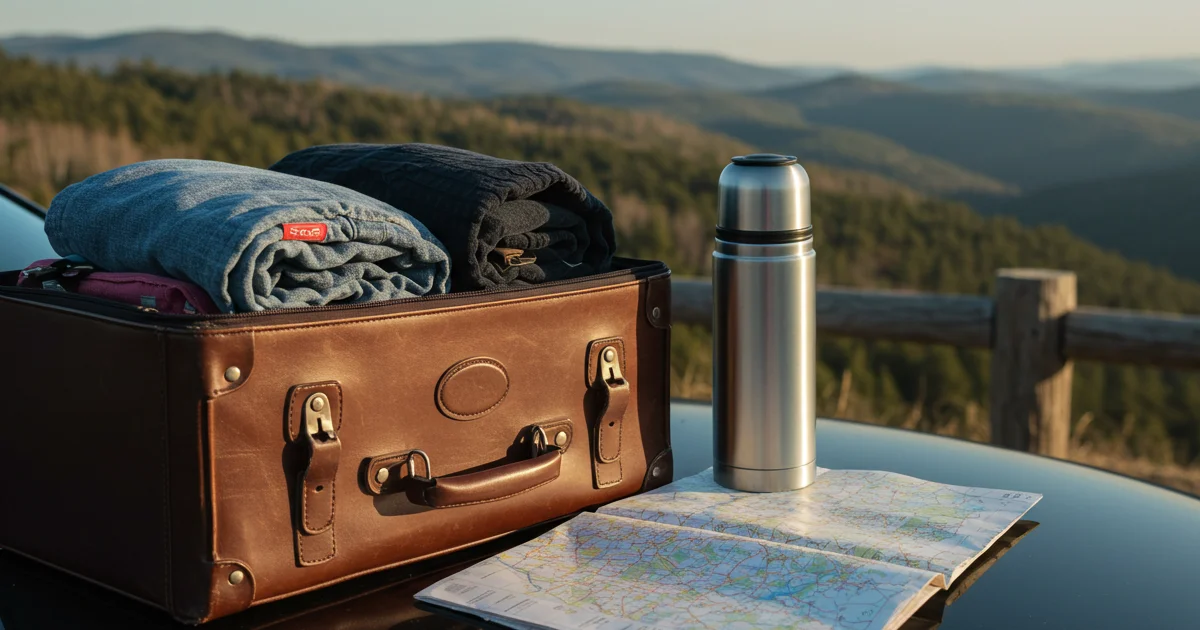
Family travel planning genuinely spans two separate purchase decisions: where to go with kids, and what gear to actually bring along. A planning network runs destination geo and gear-affiliate specs as separate datasets, so a stroller's wheel diameter never clutters an attraction's age-appropriateness facets or vice versa.
How the catalog is organized
The destination dataset keeps map-required place facets, age-range tags, and stroller-accessibility notes; the gear dataset keeps compare-required numeric specs with clear affiliate CTAs attached. Shared family-travel category chips connect a specific destination to the exact gear a parent might realistically pack for that particular trip.
Why family-travel publishers combine these datasets
Parents researching a trip convert better when destination guidance and gear recommendations both live on the same trusted domain, instead of forcing a second search on an unrelated site. Combining both datasets captures the full planning-to-purchase journey under one consistent affiliate relationship and brand voice.
Related surfaces
Composes from hvce site airport area hotel transit directory-style lodging geo and any spec-catalog archetype like hvce site mirrorless camera body matrix adapted for travel gear comparisons. See hvce reason instant pages for the mobile-speed argument that matters most to parents mid-trip.
What ships with every page
Every entity across the network is crawlable HTML with its own metadata, structured data aligned to the visible record, and a clean text twin for answer engines—so multi-niche brands stay organized on one domain and legible for search and AI systems.
Metrics
| Typical Catalog Size | 500 entities |
|---|---|
| Profile Depth Score | 4 |
| Facet Dimensions | 8 |
Descriptors
| Primary Monetization | affiliate |
|---|---|
| Discovery Surfaces | seo-aeo-geo |
| Map Suitability | optional |
| Compare Suitability | optional |
| Delivery Mode | either |
| Buyer Persona | affiliate |
| Overlap Cluster | travel |
Frequently asked questions
Does the gear dataset need its own CTAs?
Yes—affiliate CTAs belong on the gear dataset; destination pages stay focused on planning facts.
Can a destination page recommend specific gear?
Yes via an internal link into the gear dataset, without duplicating spec data on the destination page.
How is age-appropriateness handled?
As a qualitative tag per destination, sourced from published venue guidance rather than guesswork.
Is compare useful for destinations?
Occasionally, for shortlisting two similar attractions, but it is far more essential on the gear dataset.
Who buys this build?
Family-travel bloggers turned publishers, and agencies building affiliate-and-content hybrid travel brands.
Related in this catalog
-

Regional outdoor recreation authority
A regional outdoor recreation authority runs trailhead, gym, or trail geo directories beside geology and species authority pages under one regional outdoor brand. HVCE keeps place-specific access facts separate from durable earth-science and wildlife reference content, so a regional agency covers both trip planning and genuine outdoor expertise.
-
Wine country multi-surface network
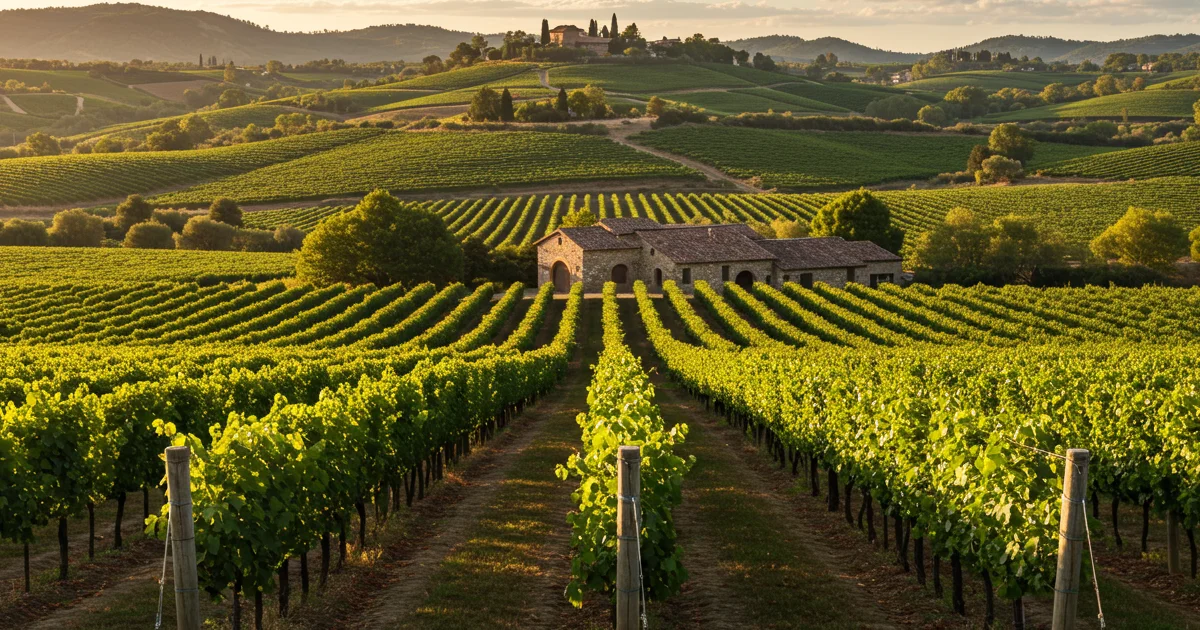
A wine country multi-surface network runs a tasting-room and brewery-trail geo directory beside a wine-cultivar authority reference and seasonal event listings under one regional wine-tourism domain. HVCE keeps trip-planning, concept authority, and time-bound events as three distinct datasets, so a wine region covers the full visitor journey.
-
Local services lead-gen network
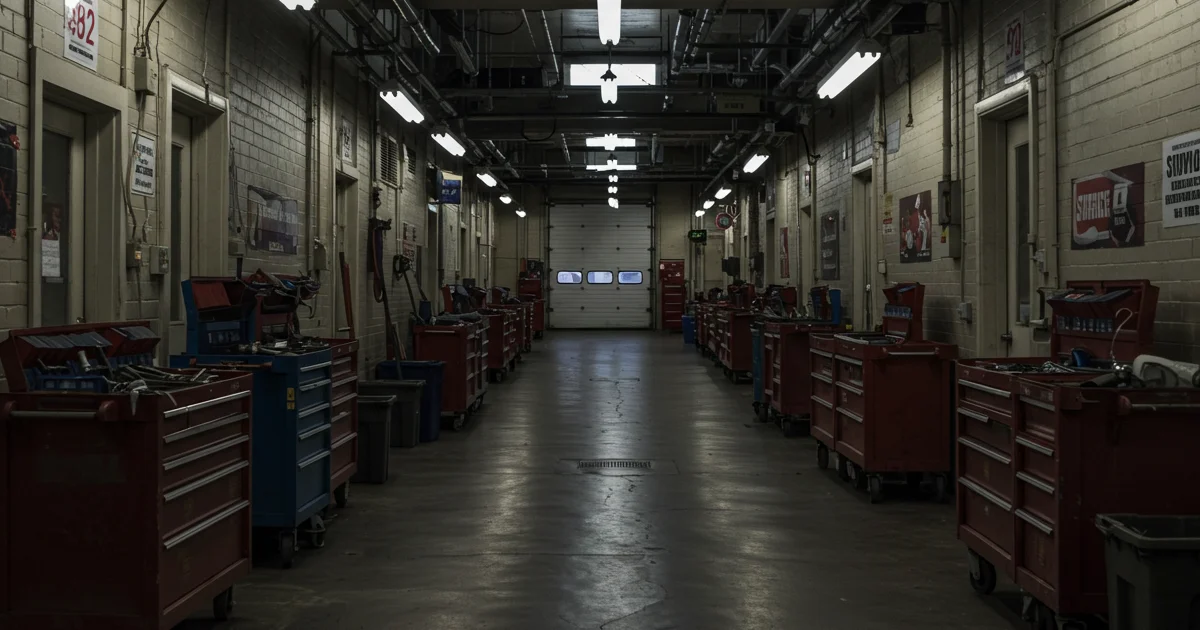
A local services lead-gen network runs several local-service geo directories—HVAC, medical clinics, coworking, marinas—under one lead-generation brand. HVCE keeps each service category as its own dataset with category-specific facets, while the operator shares one lead-routing pattern and one hosting bill across every vertical it serves.
-

Indie commerce multi-SKU network
An indie commerce multi-SKU network runs several product-specification affiliate catalogs across unrelated SKU categories—cameras, headphones, hiking boots—under one indie commerce brand. HVCE keeps each category's numeric attribute schema independent while sharing one domain's discovery files, so a small team scales SKU coverage without multiplying engineering work per category.