
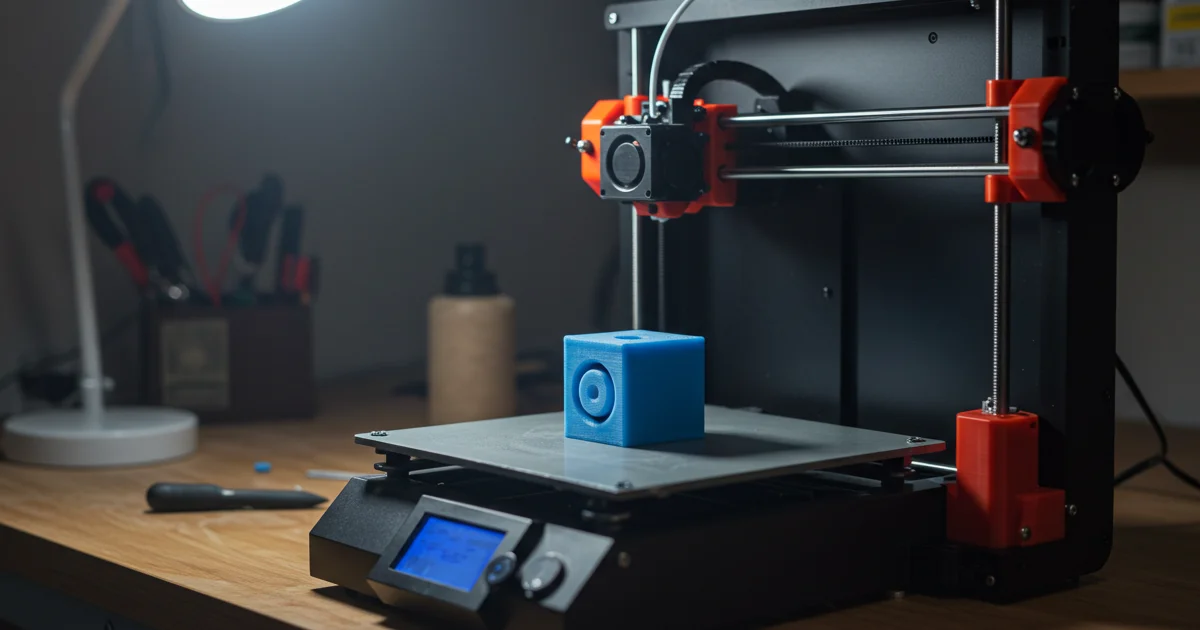
What this site is
Specs change quickly; owned matrices beat scraped tables. Schools and shops need filterable truth.
How the catalog is organized
Quantitative: build volume axes, nozzle diameter. Enums: material families, enclosure tags. Compare required. Maps off.
Why maker SEO and B2B content teams invest
Commercial + educational intent. Strong compare story for demos. Agencies can maintain vendor catalogs as retainers.
Related surfaces
hvce site mechanical keyboard switch catalog, hvce site portable power station watt hour catalog, hvce site indie commerce multi sku network.
What ships with every page
Every product profile is crawlable HTML with its own metadata, numeric attributes mirrored in structured data, and a clean text twin for answer engines—so specification matrices stay organized for visitors and legible for search and AI systems.
Buyer takeaway
Desktop 3D printer matrix is a concrete niche an publisher can scope, price, and ship as a catalog website: faceted organization, crawlable entity URLs, and AI-readable twins without rebuilding a heavy application for every client. Keep attribute data honest, write answer-first summaries, and measure page speed on your own host before quoting scores. When stakeholders ask why not a spreadsheet or a one-off brochure site, show a live profile, a filtered listing, and the discovery files—then point them at licensing. Operators, SEO practitioners, and developers evaluating this niche should confirm unique meta, structured data alignment, and a clear monetization CTA path before launch.
Metrics
| Typical Catalog Size | 180 entities |
|---|---|
| Profile Depth Score | 4 |
| Facet Dimensions | 7 |
Descriptors
| Primary Monetization | affiliate |
|---|---|
| Discovery Surfaces | compare-heavy |
| Map Suitability | off |
| Compare Suitability | required |
| Delivery Mode | either |
| Buyer Persona | publisher |
| Overlap Cluster | pro-av |
Frequently asked questions
Build volume storage?
Prefer numeric mm axes; avoid “large” as a metric.
Classroom buyers?
Tag safety/enclosure facets clearly.
SEO?
Model URLs + material facet landings with care against thin filters.
Developer reuse?
Clone attribute map for CNC later as another dataset.
Why not a Google Sheet alone?
Sheets lack public SEO/AEO surfaces and per-model meta.
Related in this catalog
-

Studio headphone comparison catalog
A studio headphone comparison catalog helps producers shortlist cans by impedance, closed/open design, and monitoring use tags. HVCE delivers compare-first profiles with typed metrics—so creator-economy affiliates and audio publishers can rank for long-tail gear queries without a sluggish theme-shop build.
-
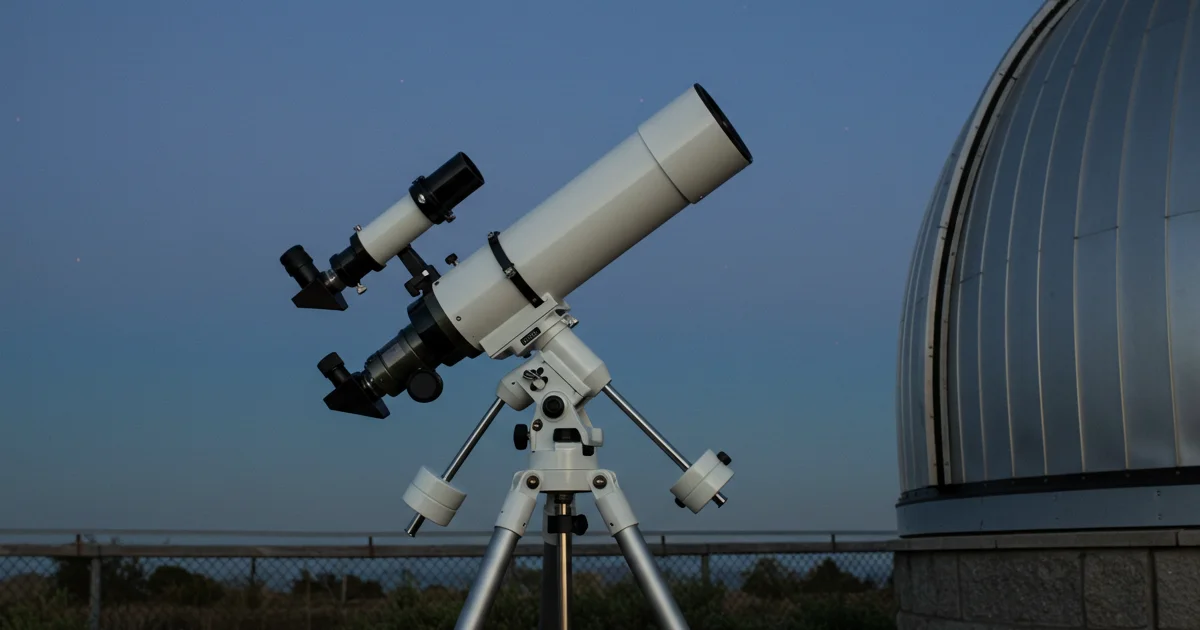
Amateur telescope aperture catalog
An amateur telescope aperture catalog organizes scopes by aperture, focal characteristics, and mount type for newcomers and upgraders. HVCE keeps optics metrics typed and comparable—so astronomy publishers and educators can offer a reference-grade shopping matrix that search and answer engines can cite.
-

Espresso machine grouphead catalog
An espresso machine grouphead catalog compares heat-stability approaches, group counts, and footprint metrics for home and light-commercial buyers. HVCE keeps coffee hardware specs typed and comparable—so specialty coffee publishers and affiliates can dominate long-tail machine queries with authoritative matrices.
-
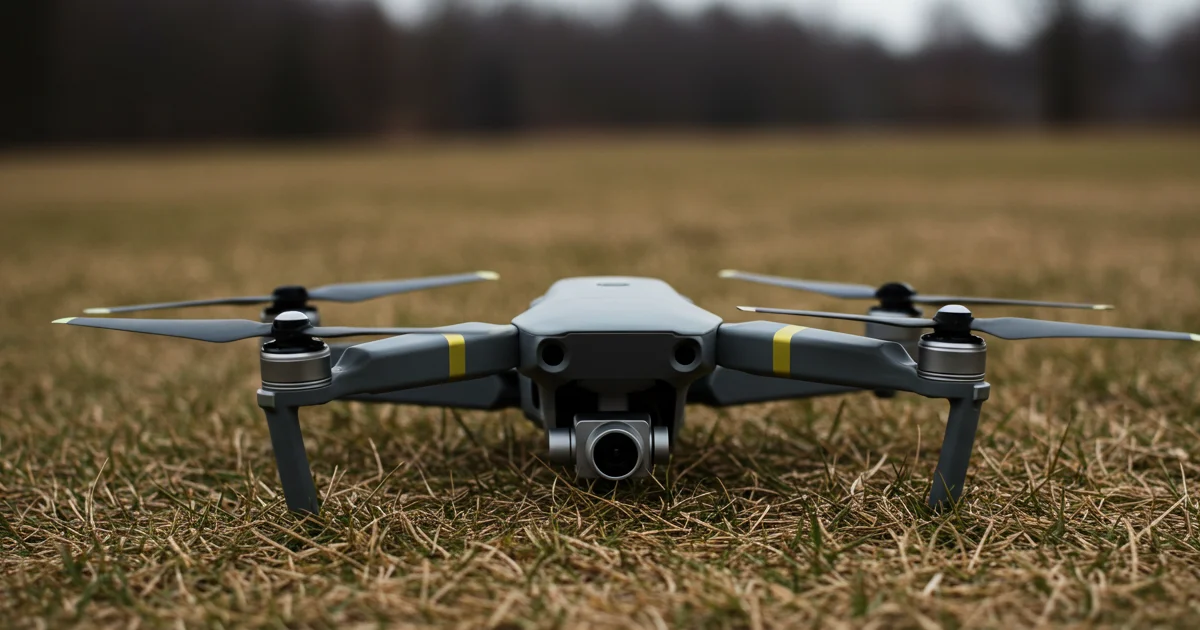
Consumer drone flight-spec catalog
A consumer drone flight-spec catalog compares flight time, aircraft mass, and imaging tags for hobbyists and creators. HVCE stores flight metrics as filterable numbers with compare—so outdoor and pro-av publishers can capture regulated-gear long-tails while keeping pages honest and fast.