
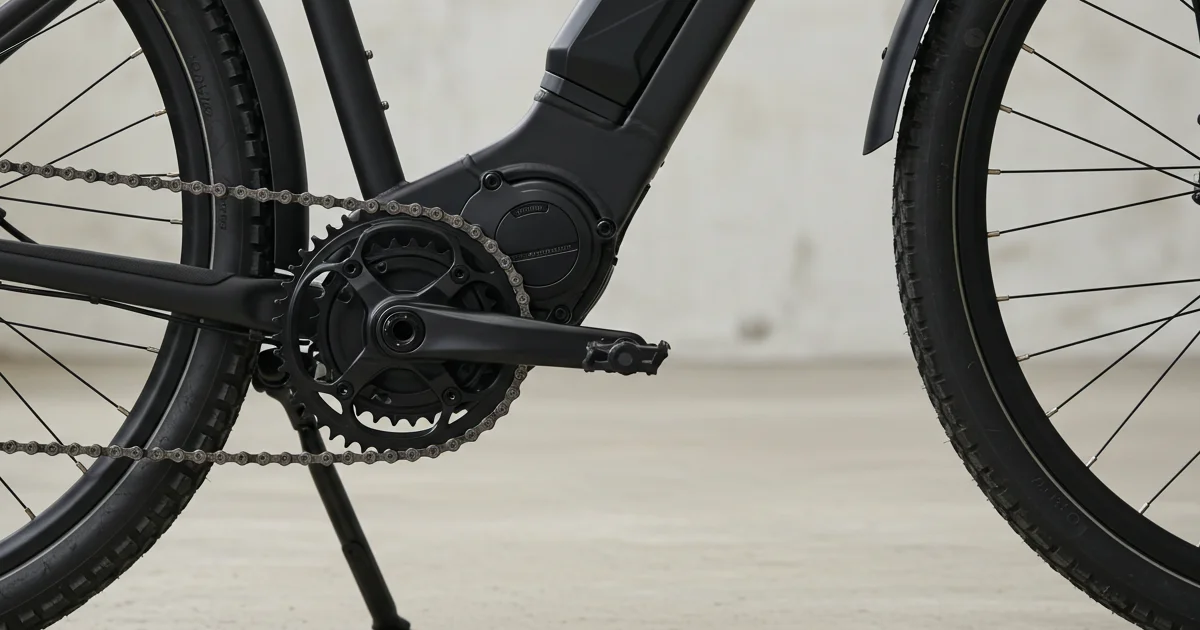
What this site is
E-bike marketing overclaims range. A disciplined matrix with honest units and FAQs becomes the trusted layer SEO teams can defend.
How the catalog is organized
Quantitative: motor watts, claimed range km, weight. Enums: frame style, brake type, class labels. Compare required. Maps off unless you add dealer geos separately.
Why outdoor affiliates and web studios ship this
High commercial intent, strong compare UX, adjacency to trail directories. Lean pages convert on mobile trailheads. Agencies productize brand-by-brand catalogs.
Related surfaces
Outdoor links to hvce site hiking boot comparison hub and hvce site regional trailhead access directory. Multi-niche: hvce site outdoor brand hub.
What ships with every page
Every product profile is crawlable HTML with its own metadata, numeric attributes mirrored in structured data, and a clean text twin for answer engines—so specification matrices stay organized for visitors and legible for search and AI systems.
Buyer takeaway
E-bike motor and range matrix is a concrete niche an affiliate can scope, price, and ship as a catalog website: faceted organization, crawlable entity URLs, and AI-readable twins without rebuilding a heavy application for every client. Keep attribute data honest, write answer-first summaries, and measure page speed on your own host before quoting scores. When stakeholders ask why not a spreadsheet or a one-off brochure site, show a live profile, a filtered listing, and the discovery files—then point them at licensing.
Metrics
| Typical Catalog Size | 200 entities |
|---|---|
| Profile Depth Score | 4 |
| Facet Dimensions | 7 |
Descriptors
| Primary Monetization | affiliate |
|---|---|
| Discovery Surfaces | compare-heavy |
| Map Suitability | off |
| Compare Suitability | required |
| Delivery Mode | static |
| Buyer Persona | affiliate |
| Overlap Cluster | outdoor |
Frequently asked questions
How should range be stored?
As quantitative estimates with clear FAQ caveats—never as marketing poetry in the number field.
Dealer maps?
Use a separate geo dataset; keep this matrix map-off.
SEO angle?
Model-level URLs plus “best commuting e-bike under X kg” filtered landing discipline.
Compare mandatory?
Yes—choice anxiety is the job.
Owner vs affiliate?
Both: brands publish official matrices; affiliates add CTA hops.
Related in this catalog
-
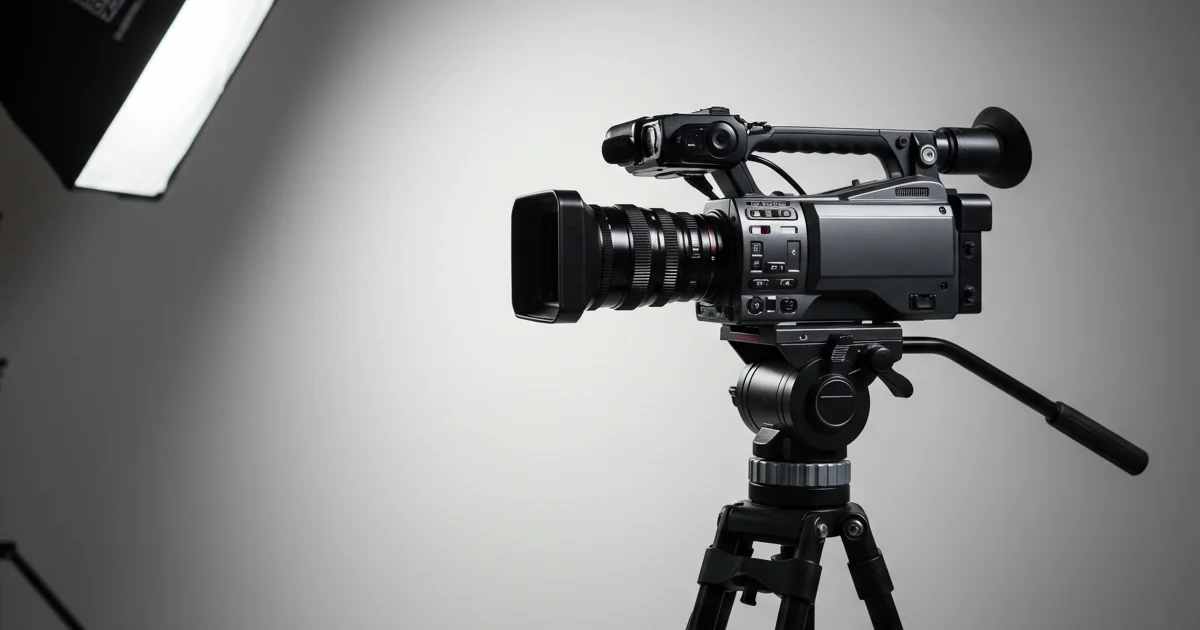
Pro camcorder codec catalog
A pro camcorder codec catalog helps broadcast and corporate video teams compare codec families, media workflows, and body mass. HVCE keeps those attributes structured for filter and compare—so rental houses, integrators, and pro-av publishers can maintain a technical matrix that earns search trust.
-
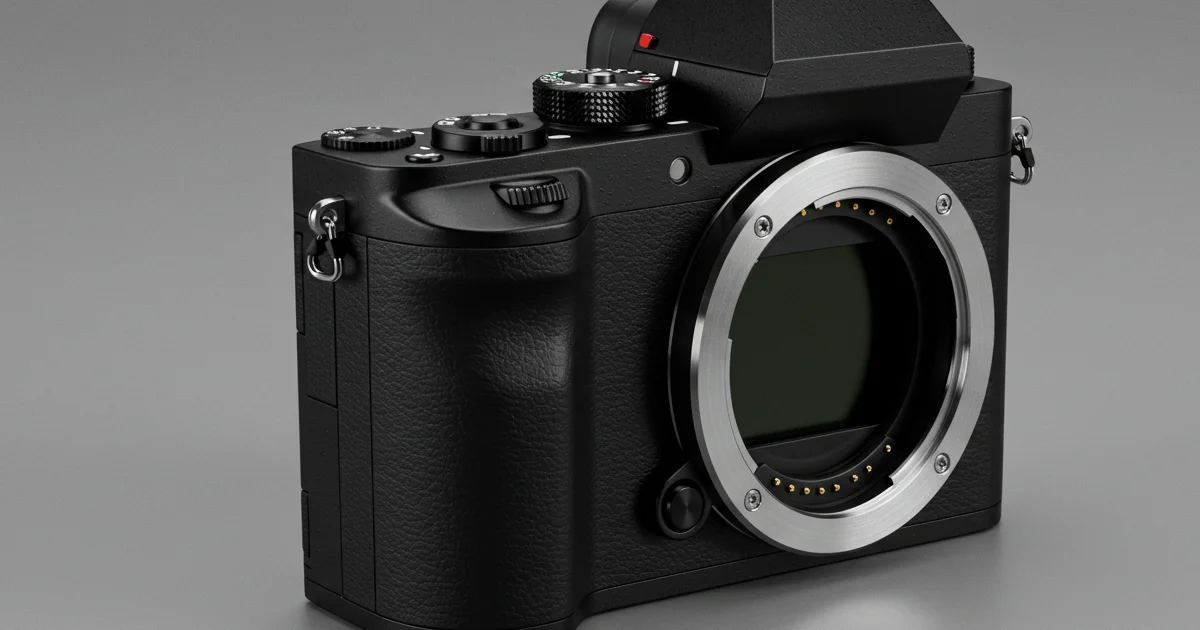
Mirrorless camera body matrix
A mirrorless camera body matrix treats each camera as a specification entity with strict numeric attributes and qualitative descriptors. HVCE turns that matrix into filterable, compare-ready profiles—so affiliate operators, camera publishers, and developers can ship programmatic product SEO that stays fast on mobile and consistent for answer engines.
-
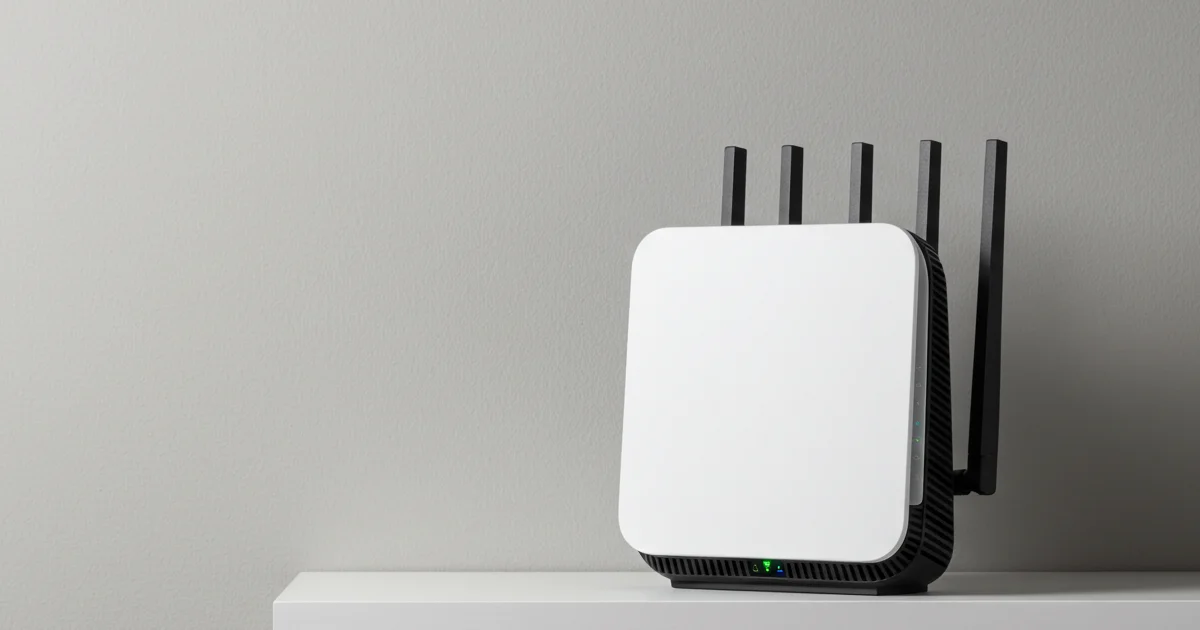
Wi-Fi 7 router spec sheet
A Wi-Fi 7 router spec sheet catalog organizes band counts, port layouts, and throughput-related metrics for home and SMB buyers. HVCE keeps those numbers typed and comparable—so IT publishers, MSPs’ content arms, and developers can ship networking SEO that survives scrutiny from technical readers and answer engines.
-
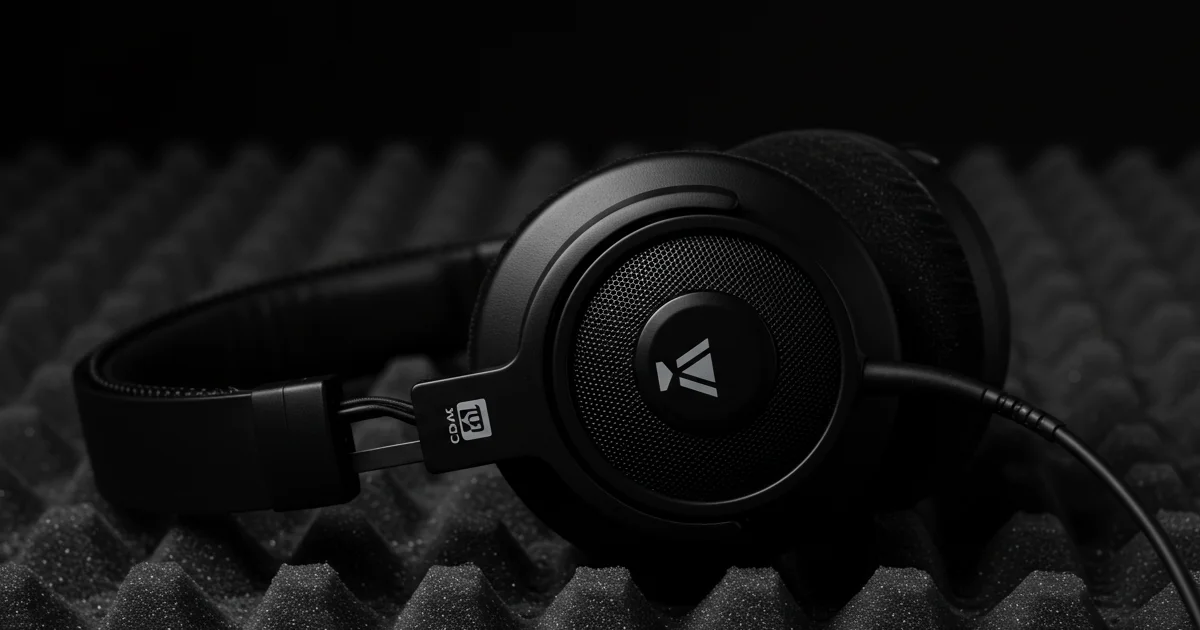
Studio headphone comparison catalog
A studio headphone comparison catalog helps producers shortlist cans by impedance, closed/open design, and monitoring use tags. HVCE delivers compare-first profiles with typed metrics—so creator-economy affiliates and audio publishers can rank for long-tail gear queries without a sluggish theme-shop build.