
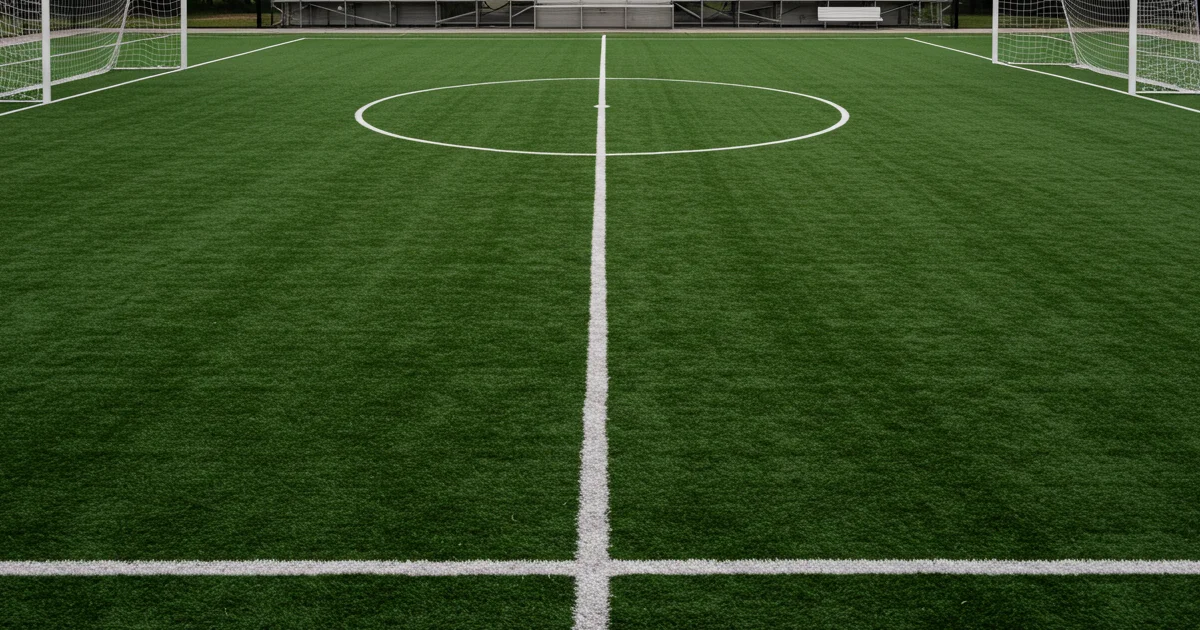
What this site is
Parents need clarity: which sports, where, what surface. Leagues want visibility. This is a directory layer above registration SaaS—not a replacement for signup software.
How the catalog is organized
Facets: sport, indoor/outdoor, lighting, locality. Field counts quantitative when known. Maps required. CTAs to league partners. Compare optional for tournament planners.
Why community operators and agencies ship it
Evergreen local demand, sponsorship inventory, and a clean geo demo. SEO freelancers can expand sport-by-sport. Page speed helps sideline mobile browsing.
Related surfaces
Outdoor/local overlap with hvce site urban climbing gym directory and hvce site regional trailhead access directory. Lead networks: hvce site local services lead gen network.
What ships with every page
Every listing profile is crawlable HTML with its own metadata, place-aware structured data aligned to the visible record, and a clean text twin for answer engines—so local directories stay organized for visitors and legible for search and AI systems.
Buyer takeaway
Youth sports facility directory is a concrete niche an operator can scope, price, and ship as a catalog website: faceted organization, crawlable entity URLs, and AI-readable twins without rebuilding a heavy application for every client. Keep attribute data honest, write answer-first summaries, and measure page speed on your own host before quoting scores. When stakeholders ask why not a spreadsheet or a one-off brochure site, show a live profile, a filtered listing, and the discovery files—then point them at licensing.
Metrics
| Typical Catalog Size | 300 entities |
|---|---|
| Profile Depth Score | 3 |
| Facet Dimensions | 6 |
Descriptors
| Primary Monetization | sponsorship |
|---|---|
| Discovery Surfaces | geo-heavy |
| Map Suitability | required |
| Compare Suitability | optional |
| Delivery Mode | either |
| Buyer Persona | operator |
| Overlap Cluster | local-services |
Frequently asked questions
Facility vs league entities?
Start with facilities; leagues can be CTAs or a second dataset.
Should schedules live here?
Keep high-level availability notes; full scheduling stays in league tools.
Sponsorship ideas?
Featured facilities, equipment retailers, and clinic partners via CTA fields.
SEO angle?
“[sport] fields near [district]” long-tail across many unique URLs.
Developer scope tip?
One sport vertical first, then clone attribute maps carefully.
Related in this catalog
-

Waterfront marina services directory
A waterfront marina services directory lists docks, fuel, haul-out, and repair providers along a coast or lake system. HVCE gives each marina a map-ready commercial profile—so operators, harbor publishers, and web developers can capture nautical local search with structured attributes instead of brochure PDFs.
-

Independent bookstore map
An independent bookstore map catalogs indie shops by neighborhood, specialty shelves, and event-hosting flags. HVCE turns each store into a cultural place profile with map browse and citable copy—ideal for city magazines, tourism partners, and developers who want a charming geo demo that still ships serious SEO/AEO surfaces.
-
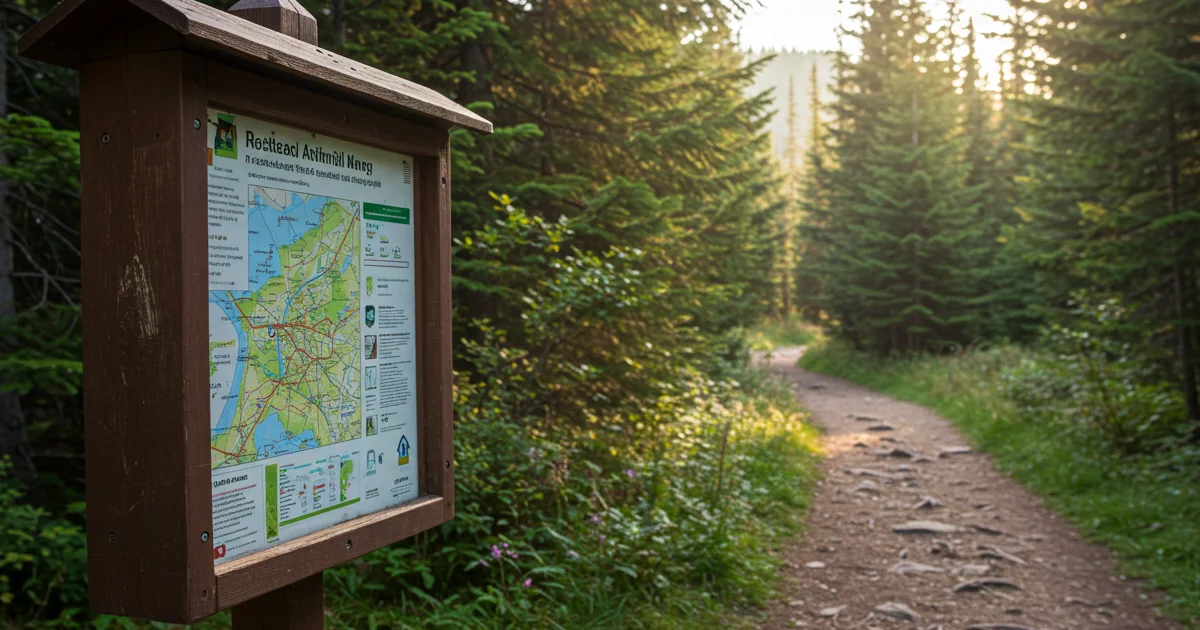
Regional trailhead access directory
A regional trailhead access directory lists trail starts with difficulty, parking notes, and seasonal access flags. HVCE publishes each trailhead as a map-ready, FAQ-rich profile—so outdoor publishers and agencies can own adventure long-tail search while keeping pages light enough for mountain mobile reception.
-
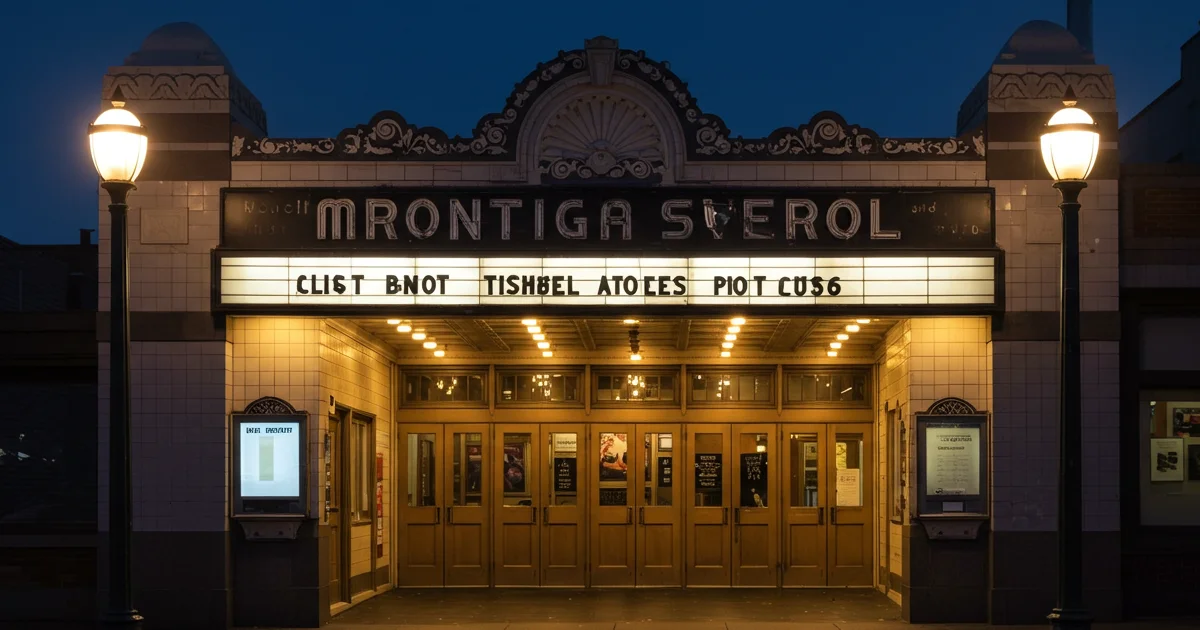
Historic theater venue directory
A historic theater venue directory catalogs performance houses by era, capacity bands, and district. HVCE ships venue profiles with maps and cultural FAQs—so arts publishers, tourism partners, and agencies can turn architectural heritage into programmatic SEO assets that still feel editorial.