
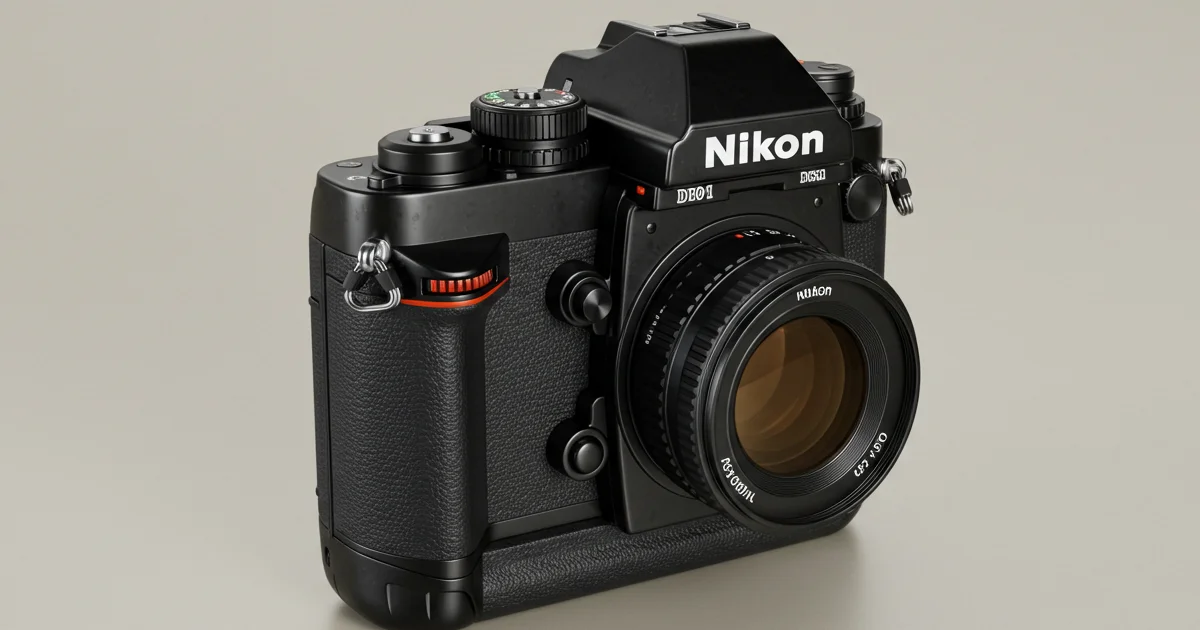
The 2.7MP sensor in the Nikon D1 captured images that met the resolution requirements of newspaper and wire service photography when digital workflows were transforming the industry. The sensor's native ISO range of 200-1600 provided flexibility for indoor sports and event coverage, while the fast 1/16000 second maximum shutter speed froze action in bright conditions. CompactFlash storage allowed photographers to swap cards quickly during fast-paced assignments, keeping pace with breaking news and competitive sports.
The optical viewfinder offers 96% frame coverage, giving photographers a clear view of their composition with the familiar through-the-lens experience that F-mount shooters relied upon for decades. The 2-inch LCD screen on the rear provides immediate feedback for exposure verification and image review in the field. Both AF and AI lens compatibility ensure access to Nikon's extensive lens catalog, from modern autofocus glass to manual focus classics.
Continuous shooting at 4.5 fps enabled photographers to capture decisive moments during sporting events, ceremonies, and news assignments where timing was critical. The shutter operates from 30 seconds to 1/16000 second with a flash sync speed of 1/500 second, accommodating both long exposures and high-speed flash work. The EN-4 battery system powered extended shooting sessions, essential for photographers covering all-day events without interruption.
Measuring 157 × 153 × 86 mm and weighing 1300 g, the D1 provided a substantial, professional grip that balanced well with telephoto lenses used in sports and wildlife photography. The camera's construction delivered the durability that photojournalists required when working in challenging environments. This body represented Nikon's understanding that professional photographers needed digital tools built to the same exacting standards as their film cameras.
Metrics
| Release Year | 1999 |
|---|---|
| ISO | 200 - 1600 ISO |
| FPS | 4.5 fps |
| Weight | 1,300 g |
Descriptors
| Sensor | 2.7MP |
|---|---|
| Shutter | 30 - 1/16000 · 1/500 |
| Finder | 96% |
| Screen | 2" |
| Storage | CF |
| Features | AF, AI |
| Size | 157 × 153 × 86 |
| Battery | EN-4 |
Frequently asked questions
What memory cards does the Nikon D1 use and what battery does it require?
The Nikon D1 uses CompactFlash (CF) cards for image storage and is powered by the EN-4 rechargeable battery. CompactFlash cards were the professional standard when this camera was released, offering reliable performance and good capacity for the era.
What is the viewfinder coverage on the Nikon D1?
The Nikon D1 features an optical viewfinder with 96% frame coverage. This provides a clear, bright view for composition and manual focusing, though photographers need to account for the small amount of additional area captured beyond the visible frame edges.
How much does the Nikon D1 weigh and what are its dimensions?
The Nikon D1 weighs 1300 g and measures 157 × 153 × 86 mm. This substantial build provides excellent balance with professional telephoto lenses and conveys the durability expected in a camera designed for daily professional use.
What is the continuous shooting speed of the Nikon D1?
The Nikon D1 shoots continuously at 4.5 fps, a speed that was competitive for professional sports and news photography when the camera was released. This frame rate allowed photographers to capture action sequences and fleeting moments during fast-paced assignments.
What sensor resolution and ISO range does the Nikon D1 offer?
The Nikon D1 features a 2.7MP sensor with a native ISO range of 200-1600. This resolution met the needs of newspaper and wire service photography, while the ISO range provided adequate flexibility for shooting in varied lighting conditions from outdoor events to indoor sports.
Who is the Nikon D1 designed for?
The Nikon D1 was designed for photojournalists, sports photographers, and news professionals who needed a reliable digital camera for daily assignments. Its rugged construction, fast operation, and compatibility with the extensive F-mount lens system made it ideal for working photographers transitioning from film to digital workflows.
Related in this catalog
-
Nikon Z5 II
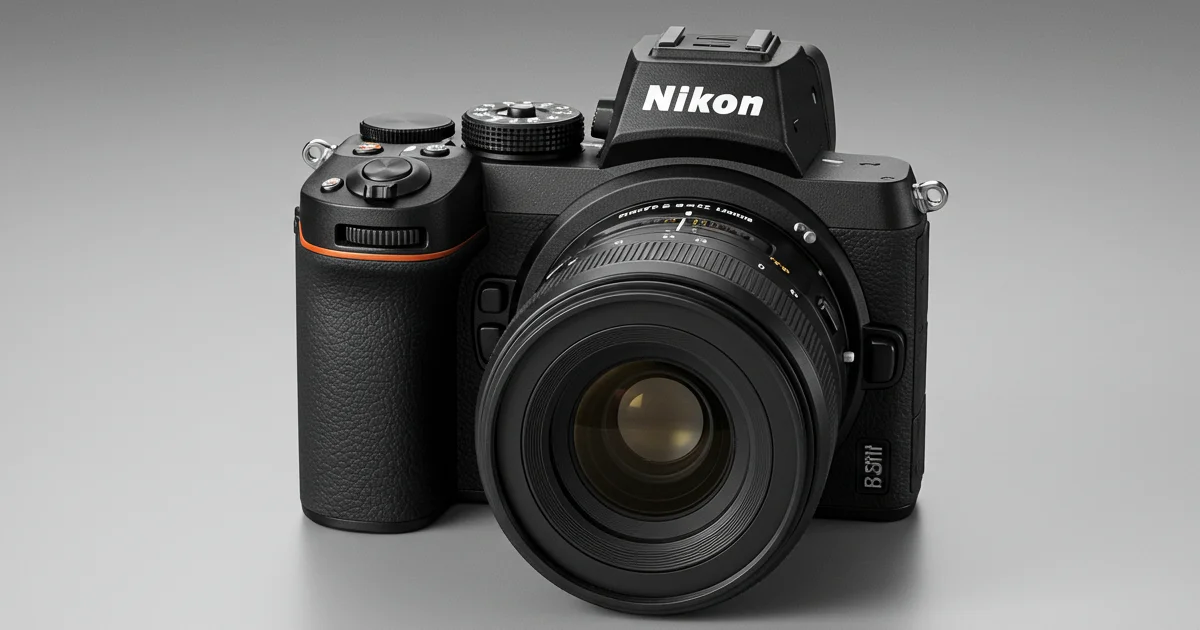
The Z5 II delivers full-frame image quality and 14.5 fps continuous shooting in a weather-sealed body designed for photographers transitioning to mirrorless or building versatile kits around portability and dual-card reliability. Its 24-megapixel sensor balances manageable file sizes with detail retention across wedding coverage, travel documentation, and portrait assignments. Released in 2025, this second-generation model refines the accessible full-frame platform with faster processing and enhanced autofocus performance.
-
Nikon ZR
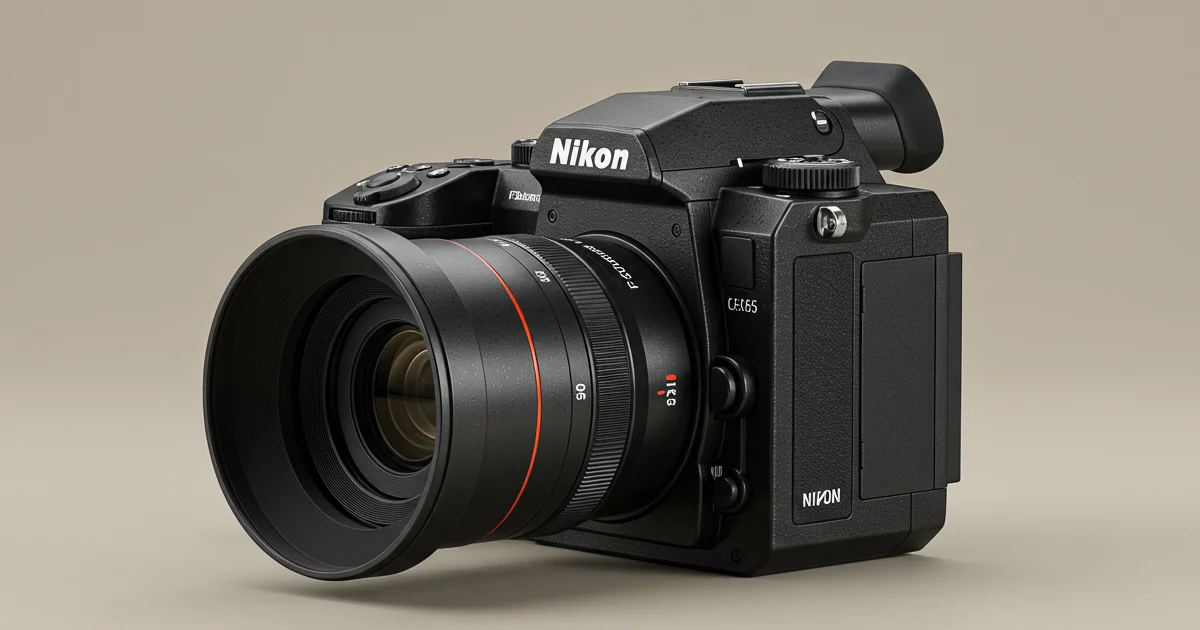
The Nikon ZR arrived in 2025 as a specialized imaging tool built around extreme frame rate capability, pairing 24-megapixel full-frame resolution with 120 fps continuous shooting for photographers and visual researchers analyzing rapid motion sequences. Its 4-inch articulated touchscreen and dual-slot storage configuration support extended capture sessions in scientific documentation, sports biomechanics analysis, and wildlife behavior studies. The compact 630-gram body integrates weather-sealed Z-mount compatibility with computational processing designed to manage sustained high-speed recording workflows.
-
Nikon D1H
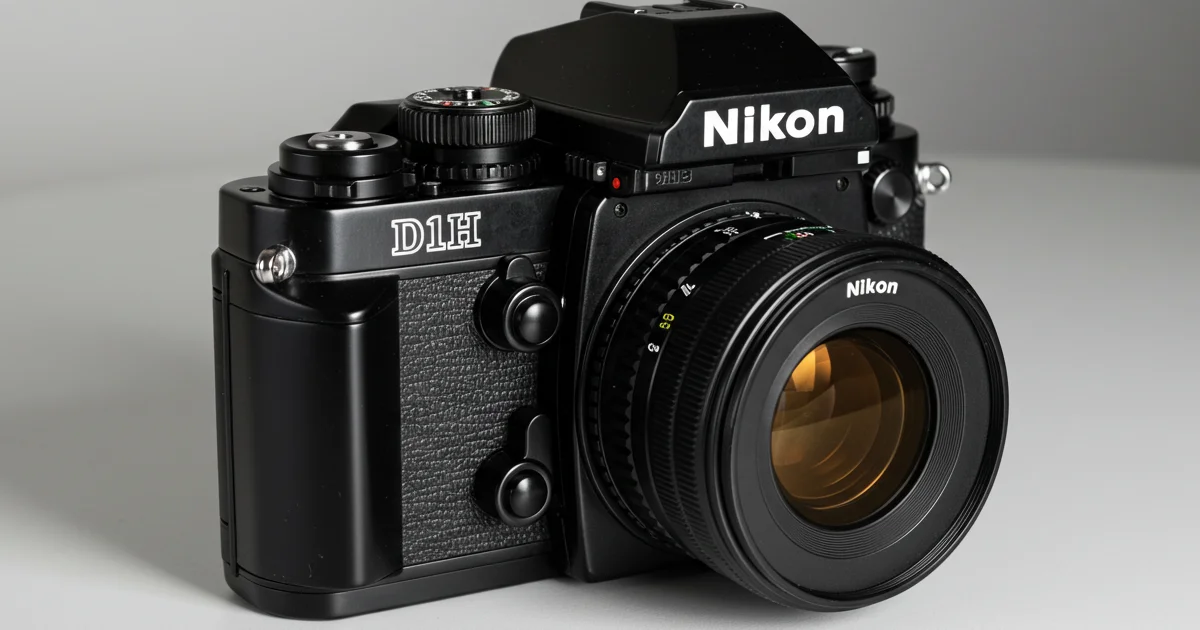
The Nikon D1H, released in 2001, brought enhanced speed and durability to professional photojournalism with its 2.7MP DX sensor and 5 fps continuous shooting. Its magnesium alloy construction and reliable EN-4 battery system made it a trusted tool for sports and news photographers working under demanding conditions. The camera's wide ISO range of 200-1600 and exceptionally fast 1/16000 second top shutter speed enabled photographers to capture action in varied lighting with precision.
-
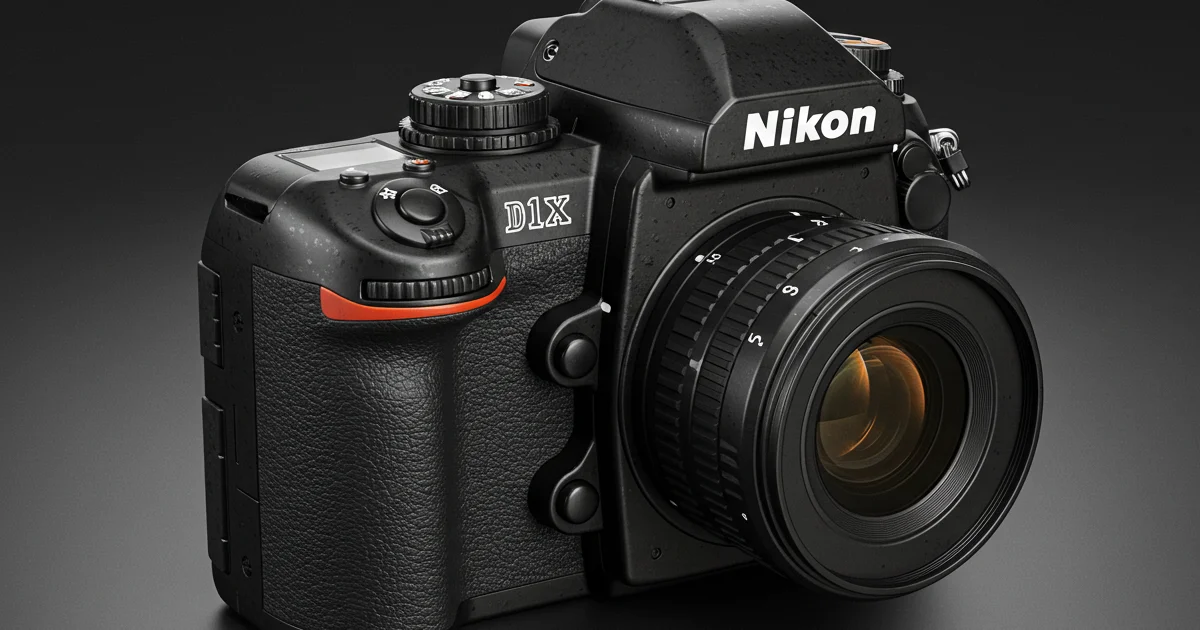
Nikon D1X
The Nikon D1X, introduced in 2001, delivered 5.3 megapixels of resolution in a professional F-mount body built for editorial, commercial, and studio work. Its 3008 × 1960 sensor output provided the detail needed for magazine reproduction and advertising campaigns, while the magnesium alloy construction and 1300 g heft ensured reliability in challenging environments. With an ISO range of 125-800 and a maximum shutter speed of 1/16000 second, the D1X offered photographers precise control over exposure and the ability to freeze fast action with electronic precision.