
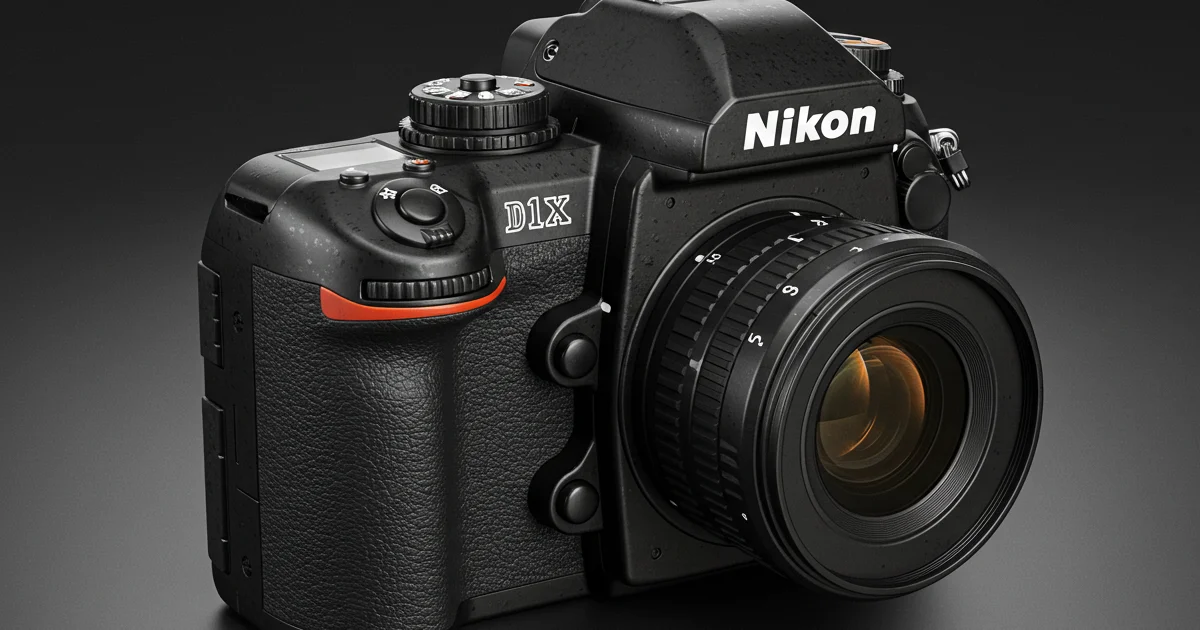
The Nikon D1X introduced a 5.3-megapixel DX-format sensor that reshaped professional digital imaging by delivering resolution suitable for commercial reproduction, editorial spreads, and high-quality prints. The 3008 × 1960 pixel array provided photographers with files large enough for demanding clients while maintaining the workflow efficiency that digital capture promised. This sensor architecture balanced resolution with the processing capabilities of the era, enabling professionals to transition confidently from film to digital workflows without sacrificing image quality.
Built around the proven Nikon F-mount, the D1X gave photographers access to decades of professional glass, from classic AI lenses to the latest AF optics. The camera's magnesium alloy chassis, weighing 1300 g and measuring 157 × 153 × 85 mm, provided the durability and balance needed for long assignments with professional telephoto and zoom lenses. The optical viewfinder offers 96% frame coverage with 0.8× magnification and a 22 mm eyepoint, delivering a bright, clear view that facilitated precise composition and manual focus confirmation in studio and field environments.
The D1X captures images at 3 frames per second, a deliberate pace suited to considered photography where composition and timing matter more than sheer volume. The shutter operates from 30 seconds to 1/16000 second with flash sync at 1/500, giving photographers exceptional control over ambient and strobe lighting in studio setups and location work. The ISO range of 125-800 covers typical professional shooting scenarios, from outdoor assignments in natural light to controlled studio environments where lighting can be precisely managed.
CompactFlash storage and the EN-4 battery system provide the foundation for extended shooting sessions, while the 2-inch RGB screen with 240 × 180 resolution allows for immediate image review and exposure verification. The D1X remains a capable tool for photographers who value the tactile feedback of a professional DSLR, the compatibility of the F-mount system, and the proven image quality that made this camera a workhorse in editorial and commercial studios worldwide.
Metrics
| Release Year | 2001 |
|---|---|
| ISO | 125 - 800 ISO |
| FPS | 3 · 6/9 fps |
| Weight | 1,300 g |
Descriptors
| Sensor | 5.3MP · DX · 3008 × 1960 MP |
|---|---|
| Shutter | 30 - 1/16000 · 1/500 |
| Finder | 96% · 0.8× · 22 mm |
| Screen | 2" · 240 x 180 · RGB |
| Storage | CF |
| Features | AF, AI |
| Size | 157 × 153 × 85 mm |
| Battery | EN-4 · ? |
Frequently asked questions
What is the continuous shooting speed of the Nikon D1X?
The Nikon D1X shoots at 3 frames per second, a rate well-suited to editorial, portrait, and commercial work where deliberate composition and precise timing take priority over high-volume capture.
What memory cards and battery does the D1X use?
The D1X uses CompactFlash (CF) cards for image storage and is powered by the EN-4 rechargeable battery, both professional-grade solutions designed for reliability during extended assignments.
What is the sensor resolution and ISO range of the Nikon D1X?
The D1X features a 5.3-megapixel DX-format sensor with a resolution of 3008 × 1960 pixels and an ISO range of 125-800, providing image quality suitable for commercial reproduction and editorial use in controlled and outdoor lighting.
Who is the Nikon D1X designed for?
The D1X was built for professional photographers working in editorial, commercial, and studio environments who needed higher resolution than earlier digital bodies offered, along with the durability and lens compatibility of the Nikon F-mount system.
How much does the Nikon D1X weigh and what are its dimensions?
The D1X weighs 1300 g and measures 157 × 153 × 85 mm, providing a solid, balanced platform for professional lenses and the rugged construction expected in a camera designed for demanding assignments.
What kind of viewfinder does the Nikon D1X have?
The D1X is equipped with an optical viewfinder offering 96% frame coverage, 0.8× magnification, and a 22 mm eyepoint, delivering a bright, clear view that supports accurate composition and manual focus work.
Related in this catalog
-
Nikon D1
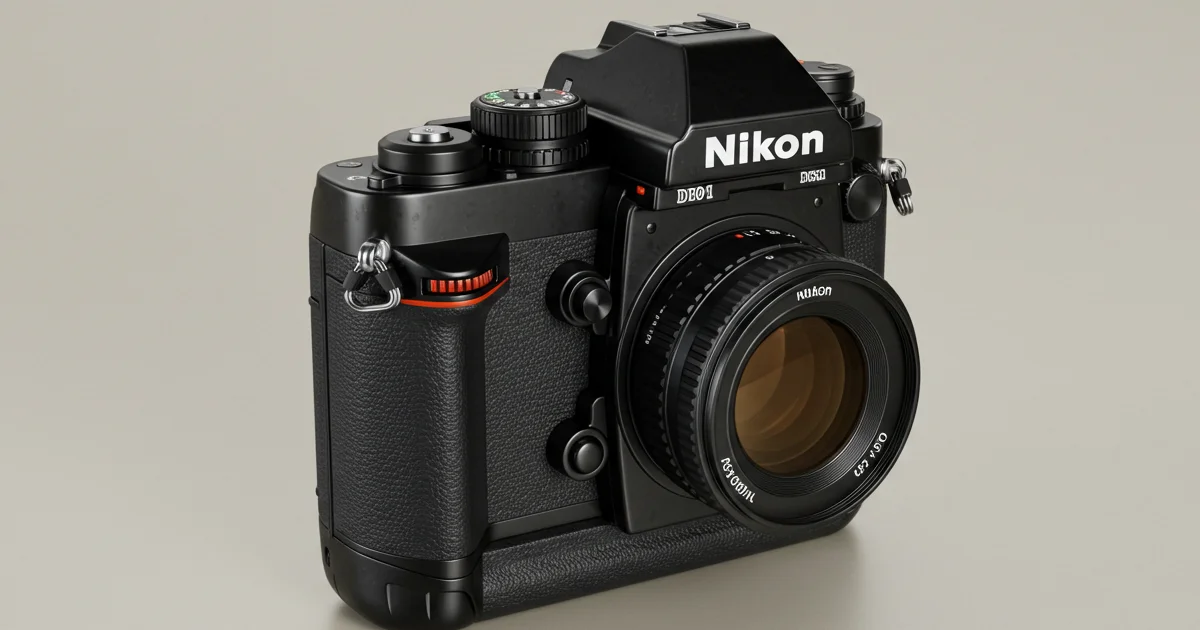
Released in 1999, the Nikon D1 brought professional digital imaging to working photojournalists and sports photographers with its 2.7MP sensor and 4.5 fps continuous shooting. The robust F-mount body delivered reliable performance in demanding field conditions where speed and durability mattered most. At 1300 g, this camera established Nikon's commitment to professional digital photography with a familiar handling experience for F-mount users.
-
Nikon D1H
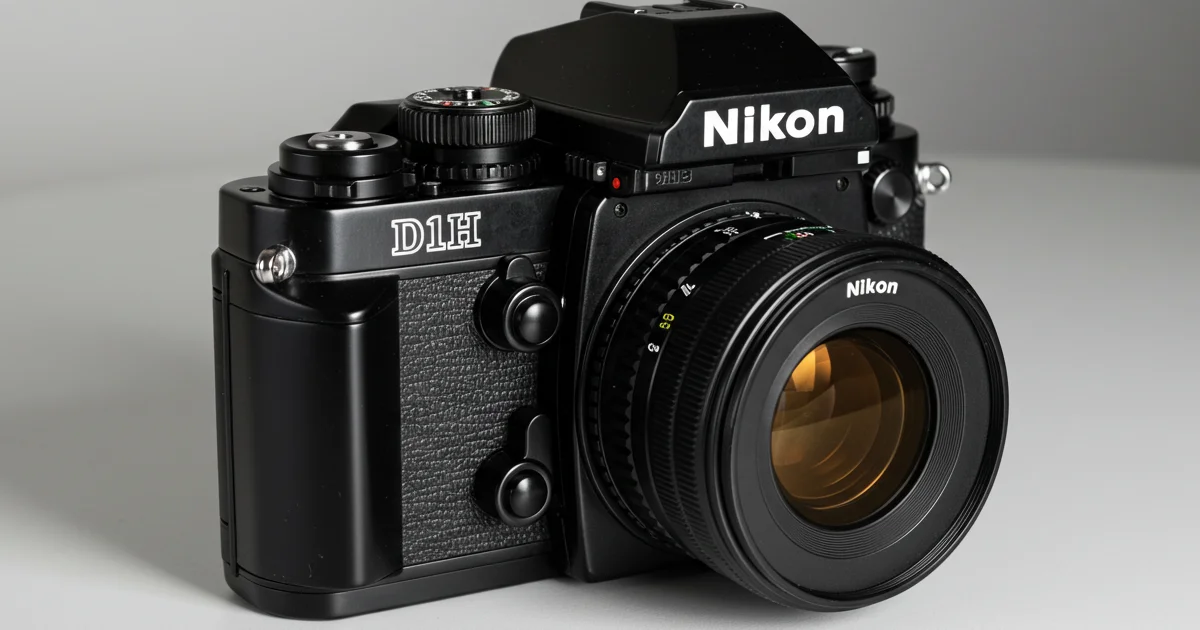
The Nikon D1H, released in 2001, brought enhanced speed and durability to professional photojournalism with its 2.7MP DX sensor and 5 fps continuous shooting. Its magnesium alloy construction and reliable EN-4 battery system made it a trusted tool for sports and news photographers working under demanding conditions. The camera's wide ISO range of 200-1600 and exceptionally fast 1/16000 second top shutter speed enabled photographers to capture action in varied lighting with precision.
-
Nikon D100
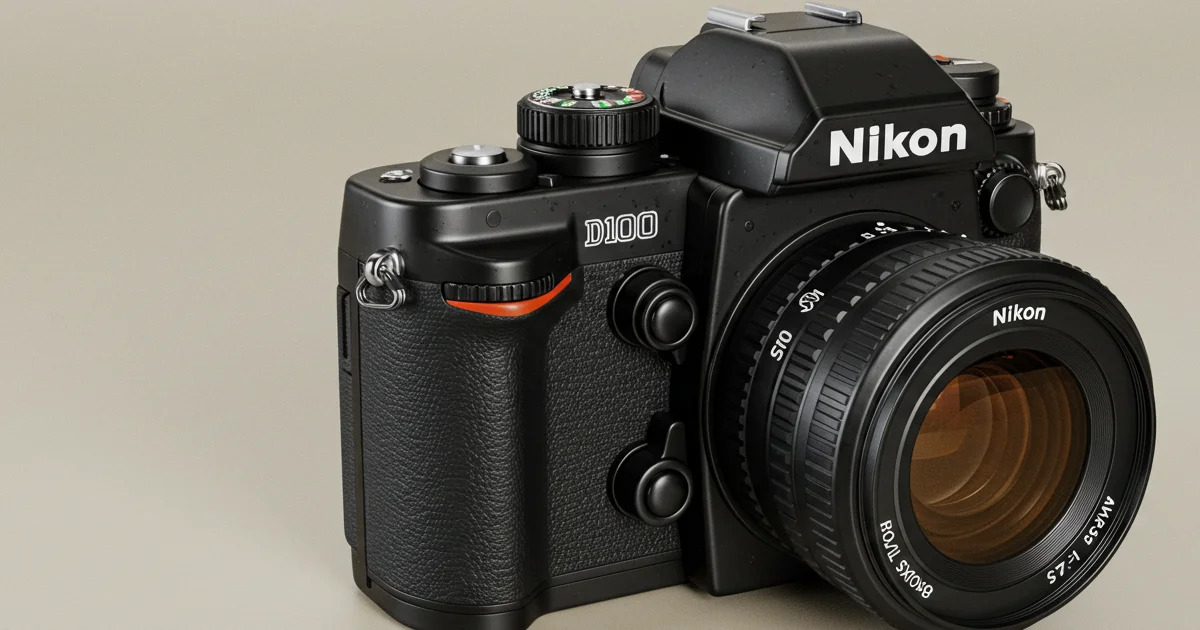
The Nikon D100 marked a pivotal moment in Nikon's digital SLR history, bringing professional-grade features to a broader audience in 2002. Its 6-megapixel DX sensor, robust build quality, and full compatibility with Nikon F-mount lenses made it a trusted tool for photojournalists and wedding photographers. The camera's straightforward controls and reliable performance continue to deliver excellent image quality for documentary work and learning the fundamentals of digital photography.
-
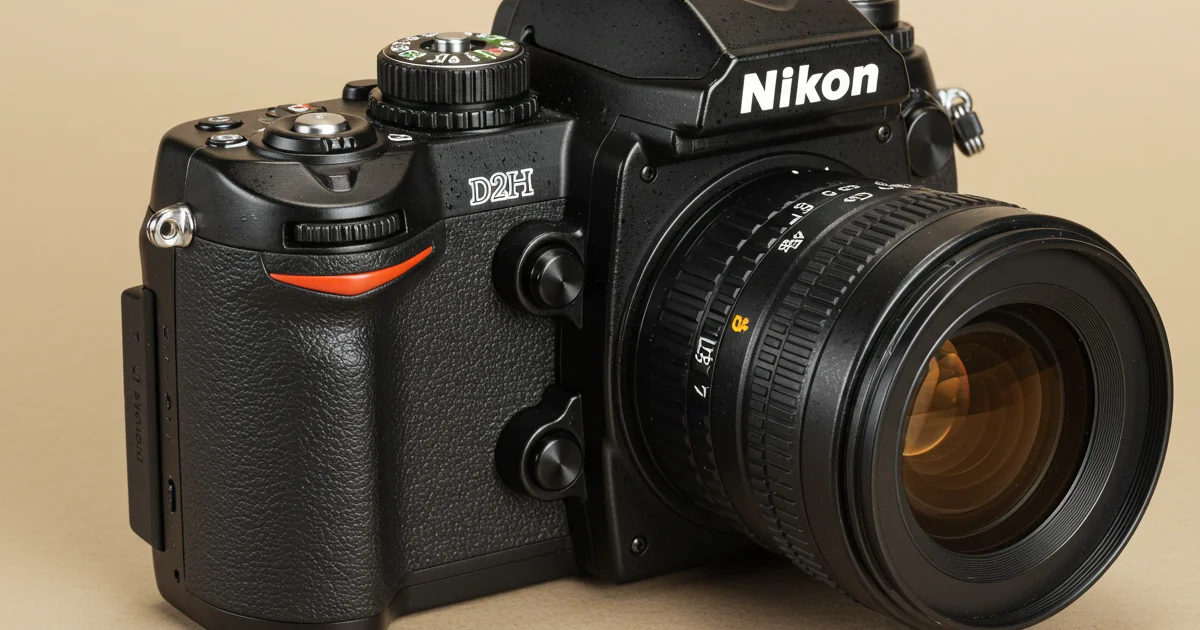
Nikon D2H
The Nikon D2H, introduced in 2003, established a new benchmark for professional sports and news photography with its 8 fps continuous shooting and robust magnesium alloy construction. Its 4-megapixel DX-format sensor delivers exceptional image quality at ISO 200-1600, optimized for fast workflow and rapid file transmission. The 100% viewfinder coverage and 0.86× magnification provide the precision framing demanded by working photojournalists and action photographers.