
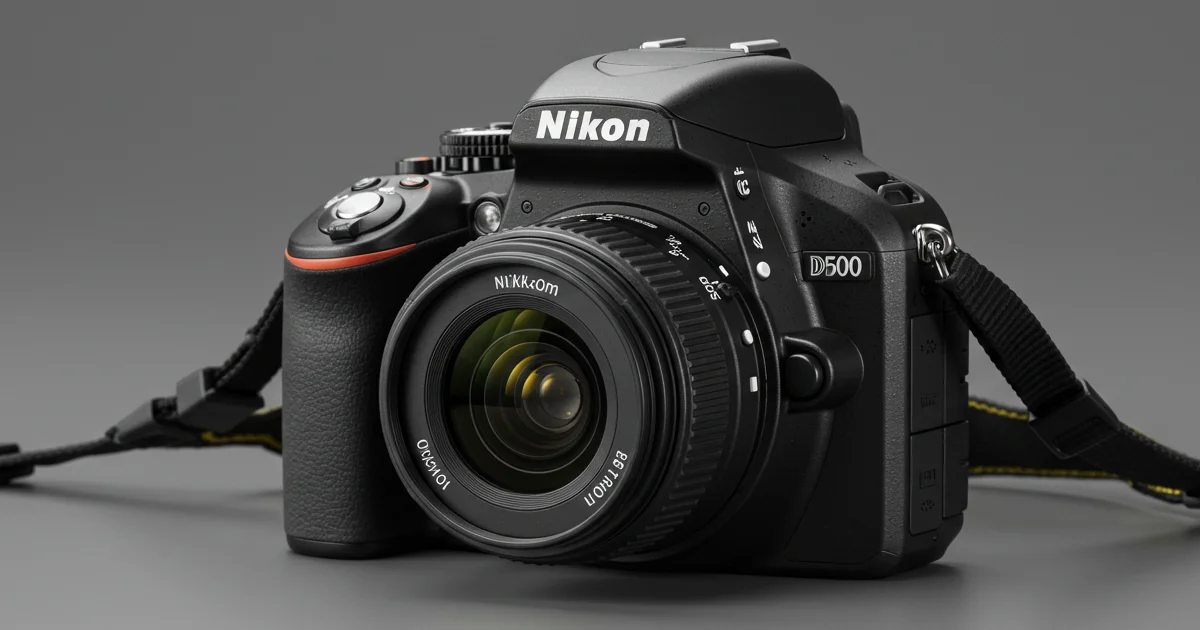
When Nikon released the D5500 in early 2015, it became the company's first consumer DSLR to feature both a fully articulated touchscreen and a monocoque body structure, setting a new benchmark for compactness in the vari-angle lineup. The redesigned internal architecture reduced body depth to 70 mm while maintaining full compatibility with the extensive F-mount lens ecosystem, from vintage manual-focus glass to modern AF-S and AF-P designs. This structural innovation made the D5500 particularly appealing to photographers who valued portability without abandoning the optical viewfinder experience that defines DSLR shooting.
The 24-megapixel DX-format sensor captures images at 6000 × 4000 pixels with native ISO sensitivity ranging from 100 to 25600, providing substantial flexibility for mixed lighting scenarios from bright outdoor landscapes to dimly lit interiors. The EXPEED 4 image processor handles continuous shooting at 5 fps, maintaining consistent performance through extended sequences while processing the sensor's full resolution. Photographers working in available light benefit from the wide ISO range, which preserves detail and color fidelity across the sensitivity spectrum without requiring external flash in many situations.
The 3.2-inch articulated touchscreen displays 720 × 480 RGB pixels and enables intuitive focus point selection through direct touch input, streamlining composition when shooting from high or low angles. The optical viewfinder provides 95% frame coverage with 0.82× magnification and 17 mm eye point, delivering clear framing for extended handheld work. This combination of touchscreen convenience and traditional optical viewing accommodates diverse shooting styles, from deliberate tripod-based composition to spontaneous street photography where immediate response matters.
Powered by the EN-EL14a battery and recording to SDXC cards, the D5500 integrates smoothly into workflows ranging from casual family documentation to serious travel photography. The 124 × 97 × 70 mm body dimension and 470-gram weight make it one of the lightest DSLRs in Nikon's vari-angle category, reducing fatigue during all-day shooting sessions while maintaining the robust build quality expected from the F-mount system. The shutter operates from 30 seconds to 1/4000 second with 1/200 second flash sync, covering the essential range for general photography from long exposures to action-stopping speeds.
Metrics
| Release Year | 2015 |
|---|---|
| ISO | 100 - 25600 ISO |
| FPS | 4-5 · 10/100 fps |
| Weight | 470 g |
Descriptors
| Sensor | 24MP · DX · 6000 × 4000 MP |
|---|---|
| Shutter | 30 - 1/4000 · 1/200 |
| Finder | 95% · 0.82× · 17 mm |
| Screen | 3.2" articulated · 720 x 480 · RGB |
| Storage | SDXC |
| Features | E |
| Size | 124 × 97 × 70 mm |
| Battery | EN-EL14a · 820 / 3110 |
Frequently asked questions
Who is the Nikon D5500 designed for?
The D5500 suits enthusiast photographers seeking a lightweight DSLR with articulated touchscreen control and optical viewfinder precision. Its compact 470-gram body appeals to travelers and family documentarians who value portability, while the 24-megapixel sensor and wide ISO range support creative exploration across diverse subjects from landscapes to indoor events.
What storage and battery does the D5500 use?
The D5500 records to SDXC cards and is powered by the EN-EL14a rechargeable lithium-ion battery. SDXC compatibility supports high-capacity cards for extended shooting sessions, while the efficient EXPEED 4 processor and compact body design deliver reliable battery performance throughout typical day-long photography outings.
What continuous shooting speed does the D5500 offer?
The D5500 captures continuous sequences at 5 fps at full 24-megapixel resolution. This frame rate handles moderate-paced action such as children's sports, casual wildlife observation, and event coverage where timing matters but extreme speed is not essential, providing a practical balance between performance and the camera's compact design.
How does the D5500 sensor perform across different ISO settings?
The 24-megapixel DX-format sensor captures images at 6000 × 4000 pixels with native ISO sensitivity from 100 to 25600. This range provides substantial flexibility for available-light photography, allowing photographers to maintain workable shutter speeds in dim interiors, during evening events, or under overcast skies without always requiring flash supplementation.
How much does the D5500 weigh and what are its dimensions?
The D5500 weighs 470 grams and measures 124 × 97 × 70 mm, making it one of the most compact DSLRs in Nikon's vari-angle lineup. The monocoque body construction achieves this reduced size while retaining an optical viewfinder and articulated screen, delivering a portable package that reduces fatigue during extended handheld shooting or travel photography.
What viewfinder specifications does the D5500 provide?
The optical viewfinder offers 95% frame coverage, 0.82× magnification, and 17 mm eye point. This configuration delivers clear, real-time framing for composition and manual focus work, while the 17 mm eye point accommodates eyeglass wearers comfortably during extended shooting sessions where the optical finder remains the primary framing method.
Related in this catalog
-
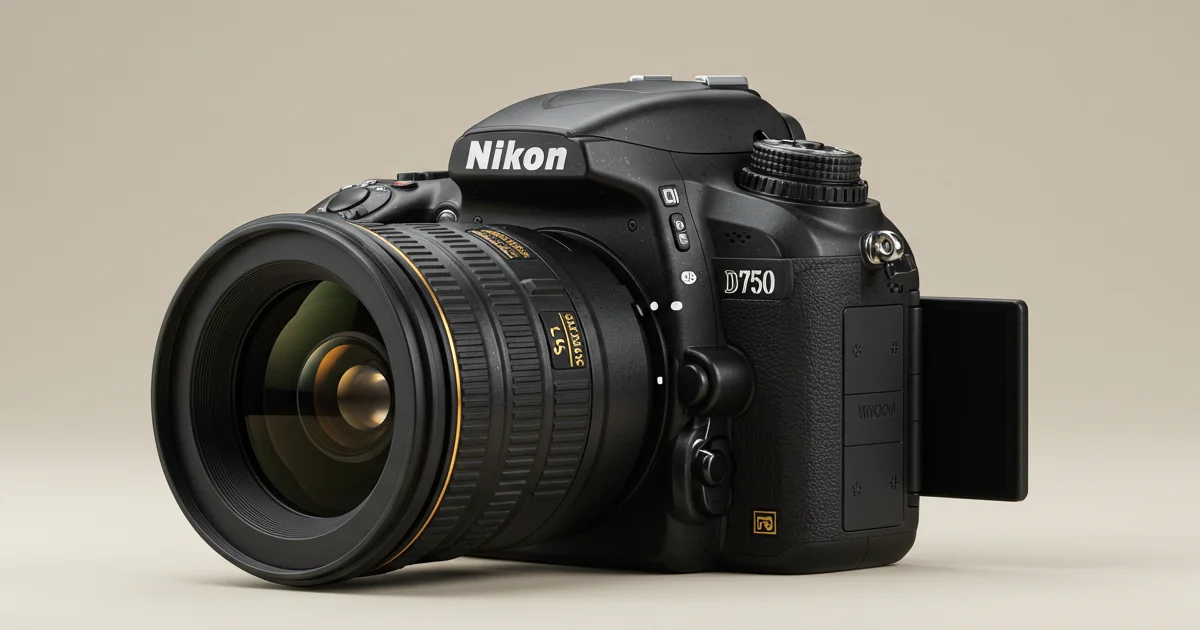
Nikon D750
Released in 2014, the Nikon D750 brought full-frame imaging to photographers seeking a balance between resolution and handling. Its 24-megapixel FX sensor, 6.5 fps continuous shooting, and tilting LCD made it a versatile choice for wedding photographers, portrait specialists, and editorial shooters who valued both image quality and adaptability. Dual SD card slots and a refined autofocus system supported professional workflows across a wide range of assignments.
-
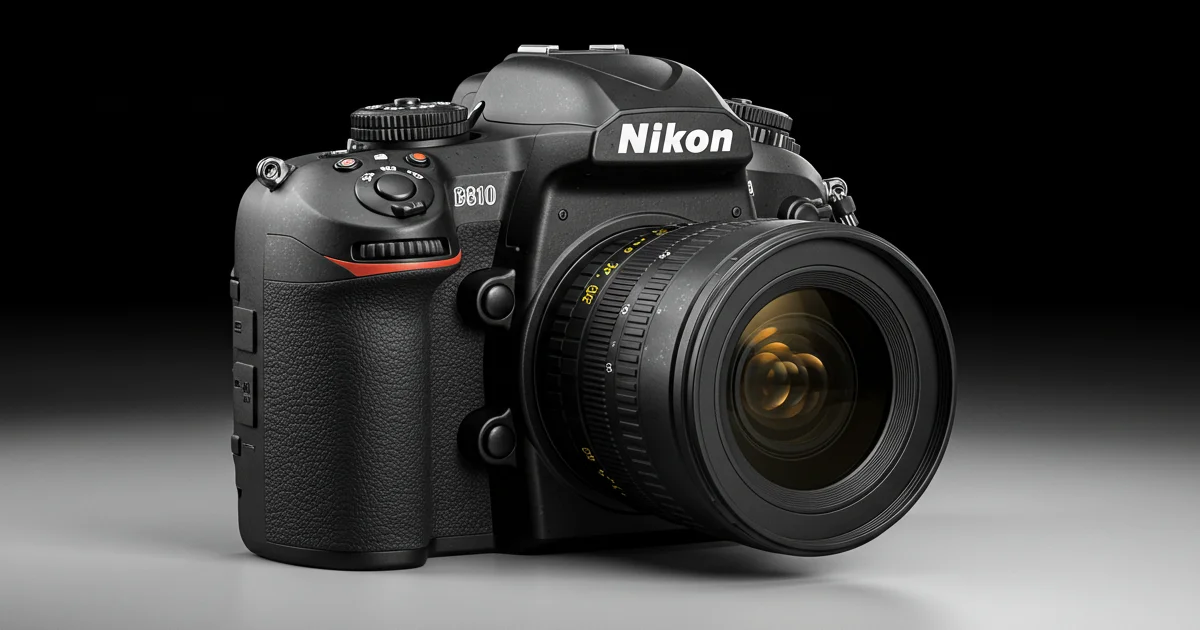
Nikon D810
Released in 2014, the D810 refined Nikon's high-resolution FX platform by pairing the proven 36-megapixel sensor with improved processing, an ISO range starting at 64, and enhanced live view capabilities that expanded its utility across studio, landscape, and commercial assignments. The 980 g body maintained professional build quality while delivering clean files from ISO 64 through 12800, supporting photographers who needed exceptional detail and tonal range without sacrificing field handling. Its dual card slots, 100% viewfinder coverage, and compatibility with decades of F-mount glass made it a versatile tool for professionals working across diverse photographic disciplines.
-
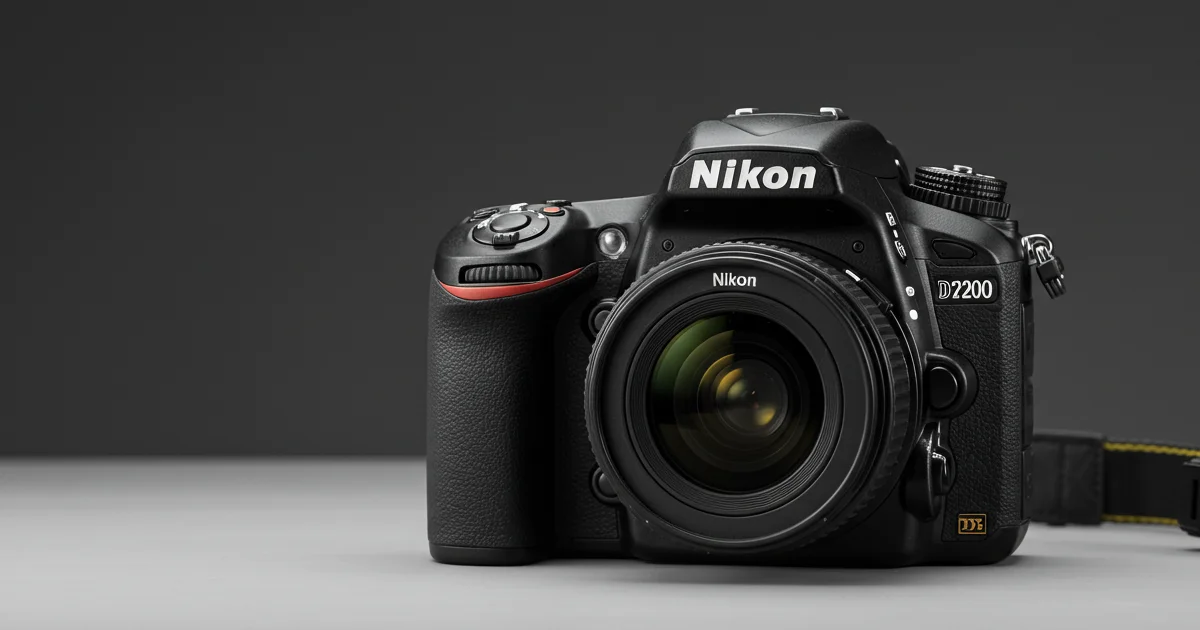
Nikon D7200
Released in 2015, the D7200 brought 24-megapixel DX resolution and dual SD card slots to photographers working weddings, sports, and editorial assignments where backup recording and extended ISO range mattered. Its 100-25600 native sensitivity and weather-sealed magnesium alloy construction supported documentary work and event coverage in variable conditions. The camera's 6000 × 4000 files delivered detail sufficient for large prints and commercial deliverables while maintaining the reach advantage of the DX format with telephoto glass.
-
%22%2F%3E%0A%20%20%3Crect%20x%3D%220.5%22%20y%3D%220.5%22%20width%3D%22479%22%20height%3D%22269%22%20fill%3D%22none%22%20stroke%3D%22%231A2633%22%20stroke-width%3D%221%22%20rx%3D%224%22%2F%3E%0A%20%20%3Cline%20x1%3D%22120%22%20y1%3D%2294.5%22%20x2%3D%22360%22%20y2%3D%2294.5%22%20stroke%3D%22%231A2633%22%20stroke-width%3D%221%22%20opacity%3D%220.5%22%2F%3E%0A%20%20%3Cline%20x1%3D%22120%22%20y1%3D%22175.5%22%20x2%3D%22360%22%20y2%3D%22175.5%22%20stroke%3D%22%231A2633%22%20stroke-width%3D%221%22%20opacity%3D%220.5%22%2F%3E%0A%20%20%3Cline%20x1%3D%22240%22%20y1%3D%2267.5%22%20x2%3D%22240%22%20y2%3D%22202.5%22%20stroke%3D%22%231A2633%22%20stroke-width%3D%221%22%20opacity%3D%220.35%22%2F%3E%0A%3C%2Fsvg%3E)
Nikon D810A
Released in 2015, the D810A brought specialized astrophotography capabilities to Nikon's full-frame DSLR lineup through a modified infrared filter optimized for hydrogen-alpha wavelengths at 656 nm. The 36-megapixel FX sensor delivered exceptional detail for deep-sky imaging while retaining daylight versatility across landscape and studio work. Dual card slots, 5 fps continuous shooting, and compatibility with decades of F-mount glass made this a uniquely capable tool for photographers documenting celestial subjects alongside terrestrial assignments.