
%22%2F%3E%0A%20%20%3Crect%20x%3D%220.5%22%20y%3D%220.5%22%20width%3D%221199%22%20height%3D%22629%22%20fill%3D%22none%22%20stroke%3D%22%231A2633%22%20stroke-width%3D%221%22%20rx%3D%224%22%2F%3E%0A%20%20%3Cline%20x1%3D%22300%22%20y1%3D%22220.5%22%20x2%3D%22900%22%20y2%3D%22220.5%22%20stroke%3D%22%231A2633%22%20stroke-width%3D%221%22%20opacity%3D%220.5%22%2F%3E%0A%20%20%3Cline%20x1%3D%22300%22%20y1%3D%22409.5%22%20x2%3D%22900%22%20y2%3D%22409.5%22%20stroke%3D%22%231A2633%22%20stroke-width%3D%221%22%20opacity%3D%220.5%22%2F%3E%0A%20%20%3Cline%20x1%3D%22600%22%20y1%3D%22157.5%22%20x2%3D%22600%22%20y2%3D%22472.5%22%20stroke%3D%22%231A2633%22%20stroke-width%3D%221%22%20opacity%3D%220.35%22%2F%3E%0A%3C%2Fsvg%3E)
Astrophotographers working under dark skies found the D810A's modified optical filter design ideally suited to capturing nebulae and emission regions that remained subdued in standard camera sensors, with four times the transmission at 656 nm enabling vivid rendering of hydrogen-alpha detail in star-forming regions and planetary nebulae. The 36-megapixel FX sensor's 7360 × 4912 pixel resolution provided the fine detail necessary for deep-sky compositions, while the ISO 200-12800 range supported both long-exposure night work and conventional daylight photography when the camera served dual roles on location.
The optical viewfinder delivered 100% frame coverage at 0.7× magnification with 17 mm eye point, giving photographers clear composition control whether framing celestial objects through a telescope adapter or composing terrestrial landscapes with wide-angle F-mount lenses. The 3.2-inch RGBW LCD screen's 640 × 480 resolution supported critical focus confirmation during live view sessions, essential for precise manual focusing on stars and distant galaxies during extended imaging runs.
Dual card slots accepting both CF and SDXC media provided flexible storage options for high-resolution astrophotography sequences, where multiple exposures captured over hours required reliable redundancy and ample capacity. The EN-EL15 battery supported extended night sessions, while the camera's 146 × 123 × 82 mm body and 980 g weight balanced stability on telescope mounts with portability across remote imaging sites far from light pollution.
The shutter mechanism rated to 200,000 actuations operated across a 900-second to 1/8000 second range with 1/250 second flash sync, supporting both the multi-minute exposures common in deep-sky work and the fast shutter speeds needed for solar imaging through appropriate filtration. Compatibility with E, AF, and AI-series lenses preserved access to Nikon's full optical legacy, from fast primes for Milky Way panoramas to long telephotos adapted for planetary detail, making the D810A a specialized tool that never abandoned the versatility expected from a professional FX-format body.
Metrics
| Release Year | 2015 |
|---|---|
| ISO | 200 - 12800 · 100 - 51200 ISO |
| FPS | 5/7 · 28/100 fps |
| Weight | 980 g |
Descriptors
| Sensor | 36MP · FX · 7360 × 4912 MP |
|---|---|
| Shutter | 900 - 1/8000 · 1/250 · 200K |
| Finder | 100% · 0.7× · 17 mm |
| Screen | 3.2" · 640 x 480 · RGBW |
| Storage | CF, SDXC |
| Features | E, AF, AI |
| Size | 146 × 123 × 82 mm |
| Battery | EN-EL15 · 1200 / 3860 · MB-D12 |
Frequently asked questions
What makes the D810A's sensor different from the standard D810?
The D810A features a modified infrared filter with four times the transmission at 656 nm compared to standard DSLRs, optimizing the 36-megapixel FX sensor for hydrogen-alpha wavelengths common in nebulae and emission regions. The ISO 200-12800 range supports both long-exposure astrophotography and conventional daylight work when the camera serves dual purposes.
How fast can the D810A shoot continuously?
The D810A captures 5 frames per second in continuous shooting mode, a rate suited to terrestrial photography when the camera is used for landscape or studio work alongside its primary astrophotography role. The shutter is rated to 200,000 actuations and operates from 900 seconds to 1/8000 second.
What type of viewfinder does the D810A have?
The D810A uses an optical pentaprism viewfinder with 100% frame coverage, 0.7× magnification, and 17 mm eye point. The 3.2-inch RGBW LCD screen with 640 × 480 resolution supports live view focusing, critical for precise manual focus on stars during astrophotography sessions.
How much does the D810A weigh and what are its dimensions?
The D810A body measures 146 × 123 × 82 mm and weighs 980 g, providing a stable platform for telescope mounting while remaining portable enough for transport to remote dark-sky imaging sites. The size and weight balance durability with field mobility across extended night sessions.
What storage media and battery does the D810A use?
The D810A features dual card slots accepting both CompactFlash and SDXC cards, offering flexible storage and redundancy for high-resolution astrophotography sequences. The camera is powered by the EN-EL15 battery, supporting extended imaging sessions common in deep-sky work.
Who is the D810A designed for?
The D810A serves astrophotographers seeking a dedicated tool for capturing nebulae and emission regions with enhanced hydrogen-alpha sensitivity, while retaining full capability for landscape, studio, and documentary work. The modified filter and 36-megapixel resolution appeal to imaging enthusiasts who demand specialized celestial performance without sacrificing terrestrial versatility.
Related in this catalog
-
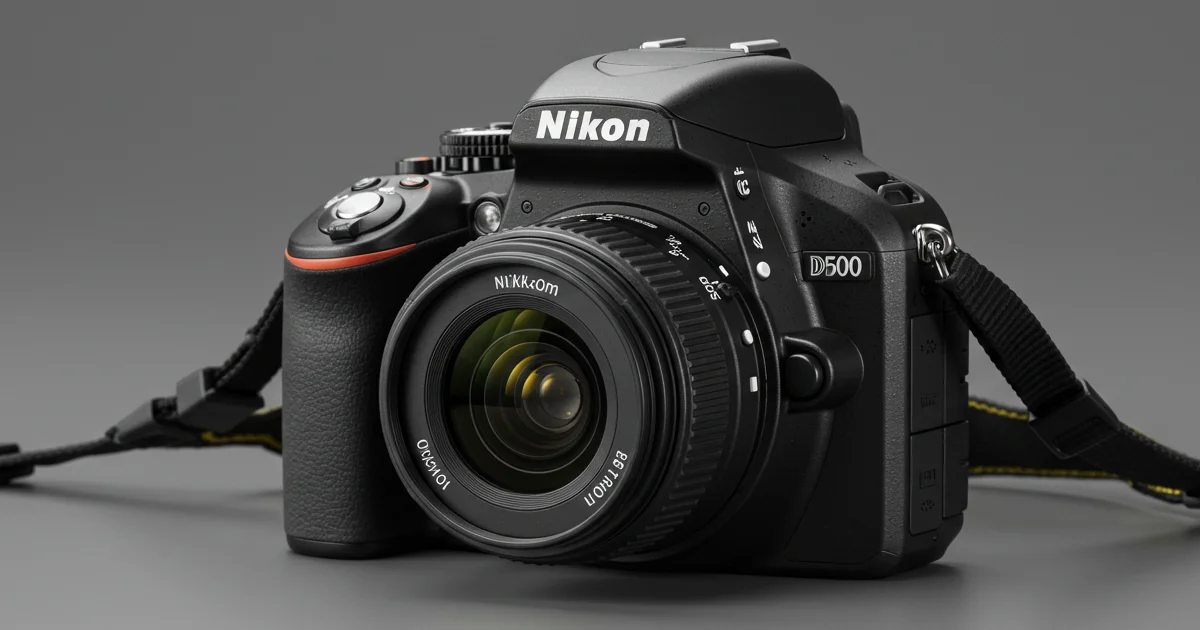
Nikon D5500
Released in 2015, the D5500 combined Nikon's 24-megapixel DX sensor with a touchscreen-enabled articulated LCD in a remarkably compact body weighing just 470 grams. Its monocoque construction eliminated the traditional internal mirror box structure, achieving a slimmer profile without sacrificing the optical viewfinder that many photographers prefer. With native ISO from 100 to 25600 and 5 fps continuous shooting, the D5500 delivered versatile performance for travel, family documentation, and creative exploration across diverse shooting conditions.
-
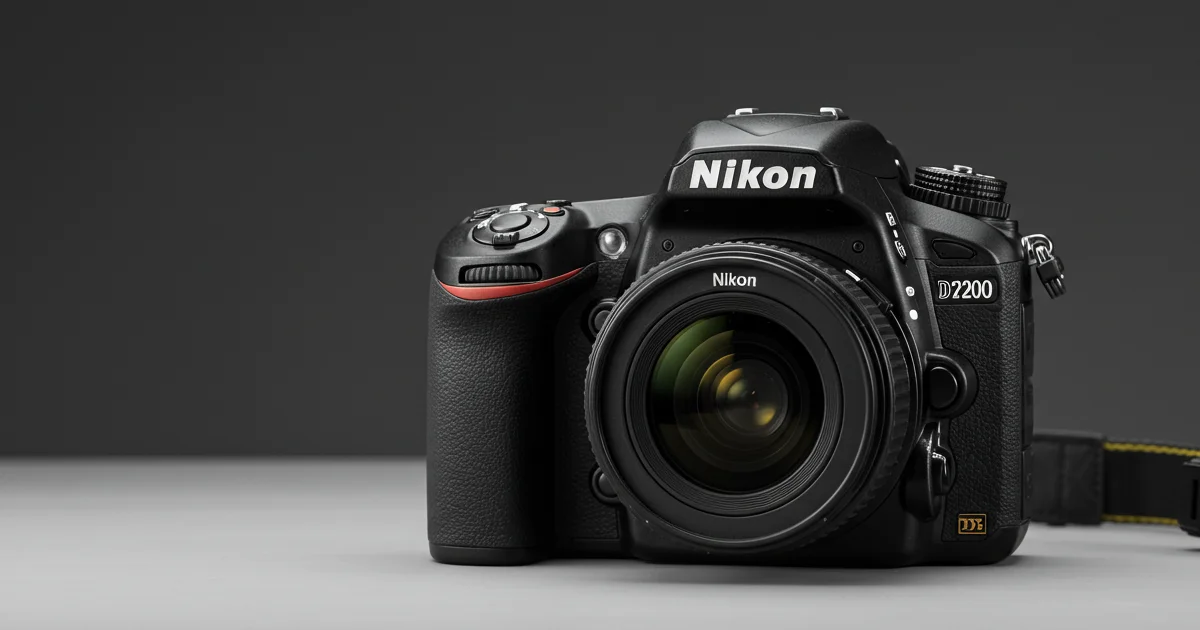
Nikon D7200
Released in 2015, the D7200 brought 24-megapixel DX resolution and dual SD card slots to photographers working weddings, sports, and editorial assignments where backup recording and extended ISO range mattered. Its 100-25600 native sensitivity and weather-sealed magnesium alloy construction supported documentary work and event coverage in variable conditions. The camera's 6000 × 4000 files delivered detail sufficient for large prints and commercial deliverables while maintaining the reach advantage of the DX format with telephoto glass.
-
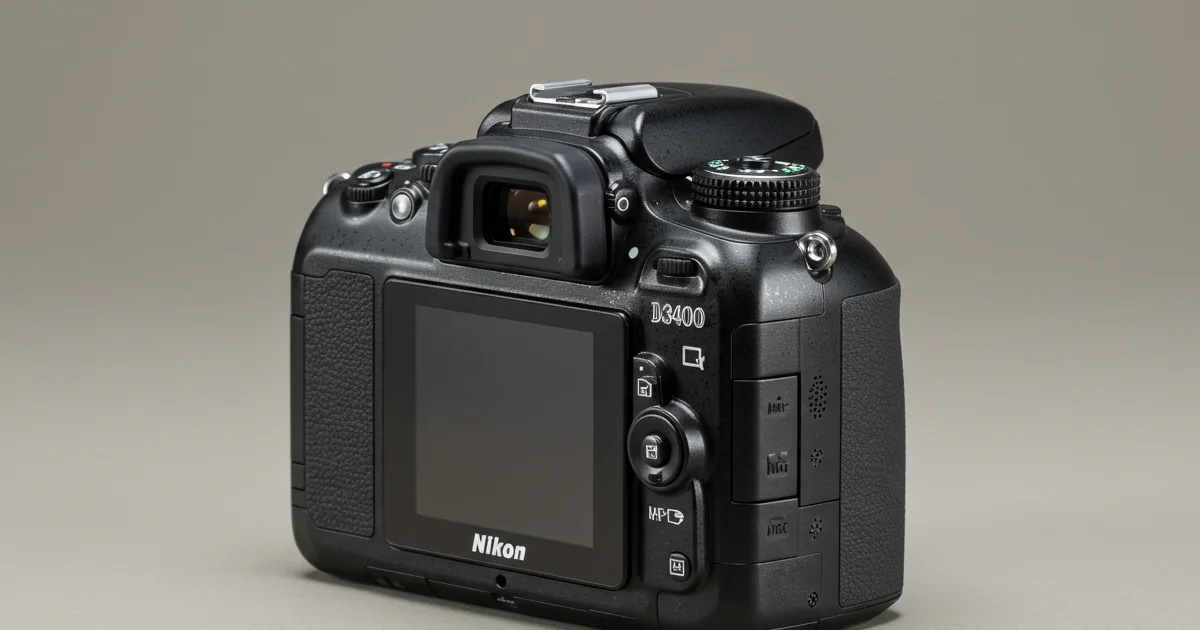
Nikon D3400
Released in 2016, the D3400 combines a 24-megapixel DX sensor with Bluetooth connectivity and extended battery life, making it a practical choice for photographers prioritizing portability and seamless image transfer. Its 5 fps continuous shooting and ISO range extending to 25600 handle varied lighting conditions from daylight street photography to indoor events. The streamlined control layout and lightweight 445 g body suit travel photographers and documentary shooters who value responsive handling without excess bulk.
-
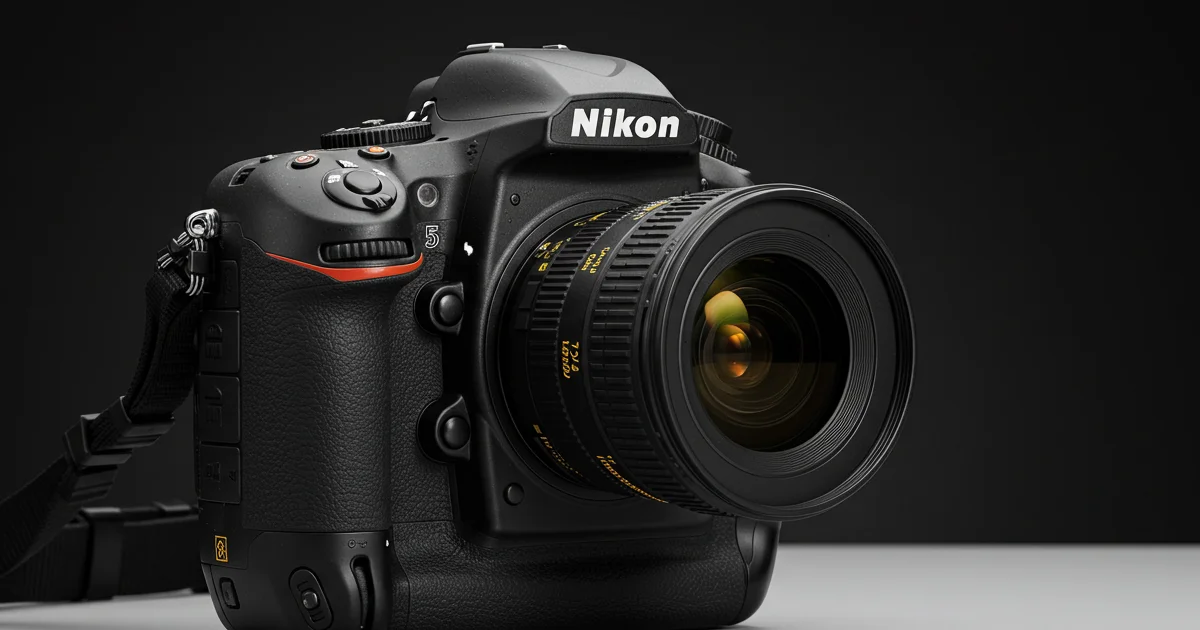
Nikon D5
The Nikon D5, introduced in 2016, delivers 21-megapixel full-frame resolution with continuous shooting speeds reaching 14 fps and an ISO range extending to 102400, enabling professional photographers to capture fast action in challenging lighting conditions. Its dual-slot CF/XQD/CFExpress configuration supports flexible workflow strategies for sports, news, and event coverage. The magnesium alloy body weighing 1405 g provides the structural integrity and ergonomic balance required for sustained field use across demanding assignments.