

What this site is
Creators shopping for a desk setup compare cameras, mics, and headphones as separate purchase decisions with different spec vocabularies. A creator-desk hub runs each as its own dataset—so a mount type never gets confused with a polar pattern—while still feeling like one coherent buying-guide brand.
How the catalog is organized
Each product-category dataset keeps compare required and its own strict numeric attribute set; a lighter authority-style dataset can hold buying-guide concepts like sensor formats or polar-pattern basics with compare turned off. Shared pro-av category chips connect the datasets for natural cross-sell browsing between them.
Why creator-economy publishers combine these datasets
Affiliate revenue improves when a reader who just compared camera bodies can immediately cross-shop microphones without leaving the domain. One shared discovery pack and consistent CTA styling across every category keeps the experience coherent instead of feeling like three unrelated microsites stitched together.
Related surfaces
Composes from hvce site mirrorless camera body matrix and hvce site studio headphone comparison catalog as sibling specification datasets, plus a microphone polar-pattern catalog for audio gear. See hvce reason ship cheap fast for the shared-hosting economics behind running all three together.
What ships with every page
Every entity across the network is crawlable HTML with its own metadata, structured data aligned to the visible record, and a clean text twin for answer engines—so multi-niche brands stay organized on one domain and legible for search and AI systems.
Metrics
| Typical Catalog Size | 400 entities |
|---|---|
| Profile Depth Score | 5 |
| Facet Dimensions | 8 |
Descriptors
| Primary Monetization | affiliate |
|---|---|
| Discovery Surfaces | compare-heavy |
| Map Suitability | off |
| Compare Suitability | required |
| Delivery Mode | either |
| Buyer Persona | affiliate |
| Overlap Cluster | pro-av |
Frequently asked questions
Do all product categories share one spec schema?
No—cameras, mics, and headphones each keep their own attribute set; only navigation and branding are shared.
Is this just one big affiliate site?
It is several affiliate-ready datasets sharing a brand and domain, each with dataset-appropriate depth and compare.
How does cross-sell work technically?
Internal links in the related-surfaces section point between categories; no merged product table is required.
Can a buying-guide authority dataset be added later?
Yes—add it as a fourth dataset once you have enough concept-level content to justify it.
Who typically runs this build?
Creator-economy affiliate publishers and gear-review agencies covering more than one product category.
Related in this catalog
-
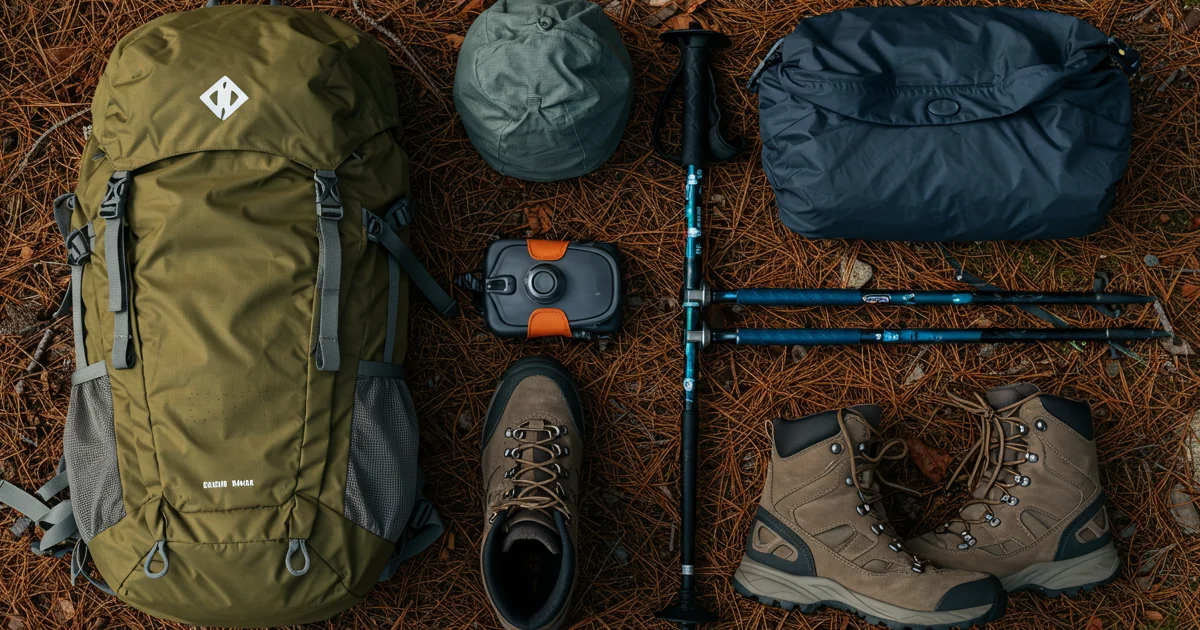
Outdoor brand multi-niche hub
An outdoor brand hub runs gear-comparison affiliate catalogs, trailhead and park geo directories, and geology or species authority pages under one outdoor brand. HVCE keeps each dataset's attribute schema distinct—compare-heavy specs versus map-heavy geo versus concept-level authority—while sharing one domain, one discovery pack, and one hosting bill.
-

Food-city multi-niche hub
A food-city hub runs farmers-market and brewery-trail geo directories beside cheese, wine, or coffee authority reference pages under one food-and-drink brand. HVCE keeps map-heavy geo datasets and concept-level authority datasets independent, so a regional food publisher builds both trip-planning utility and durable reference authority on one domain.
-
Agency portfolio demo network
An agency portfolio demo network runs several small dataset demos—one geo directory, one spec matrix, one authority base—on a single HVCE domain as a live sales tool. Prospective clients browse working examples of every dataset shape an agency can deliver, instead of trusting a static case-study PDF.
-
Franchise territory guide network
A franchise territory guide network runs a geo directory of individual franchise locations beside an authority dataset of brand-standard concepts—menu categories, service tiers, certification levels—under one franchisor domain. HVCE keeps location-specific facts and brand-wide concepts in separate datasets so franchisees and corporate marketing never contradict each other.