
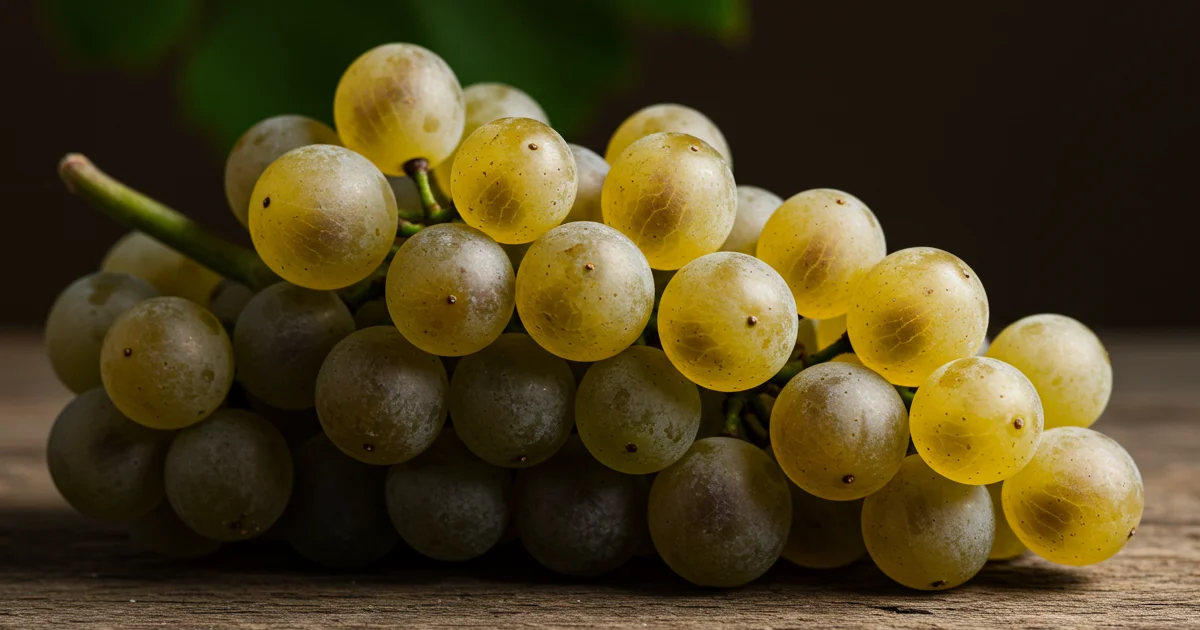
Airén evolved as a practical grape for Spain’s hot, arid interior: thick skins, deep roots, and generous yields suited dry-farmed plateaus where flashier aromatic varieties struggle. For decades it quietly underwrote Spain’s enormous white-wine output and distilling needs.
La Mancha remains the geographic core. As Spanish growers replanted toward international and indigenous quality grapes, Airén acreage fell from historic highs yet still ranks among the world’s largest single-cultivar footprints by surface area.
Contemporary production uses temperature-controlled ferments to coax citrus and light floral notes from a naturally neutral aromatic profile. It will not mimic albarino’s perfume, but as a volume-stable, climate-resilient white it remains strategically important for Spanish wine economics and increasingly for straightforward bottled table wine.
Metrics
| Global Plantings | 180 kha |
|---|---|
| Typical ABV | 12 % |
Descriptors
| Primary Color | White |
|---|---|
| Climate Affinity | Hot continental |
| Aromatic Profile | Neutral citrus, hay, light honey |
| Key Regions | La Mancha, Spain |
| Parentage | Iberian white; historic Spanish workhorse |
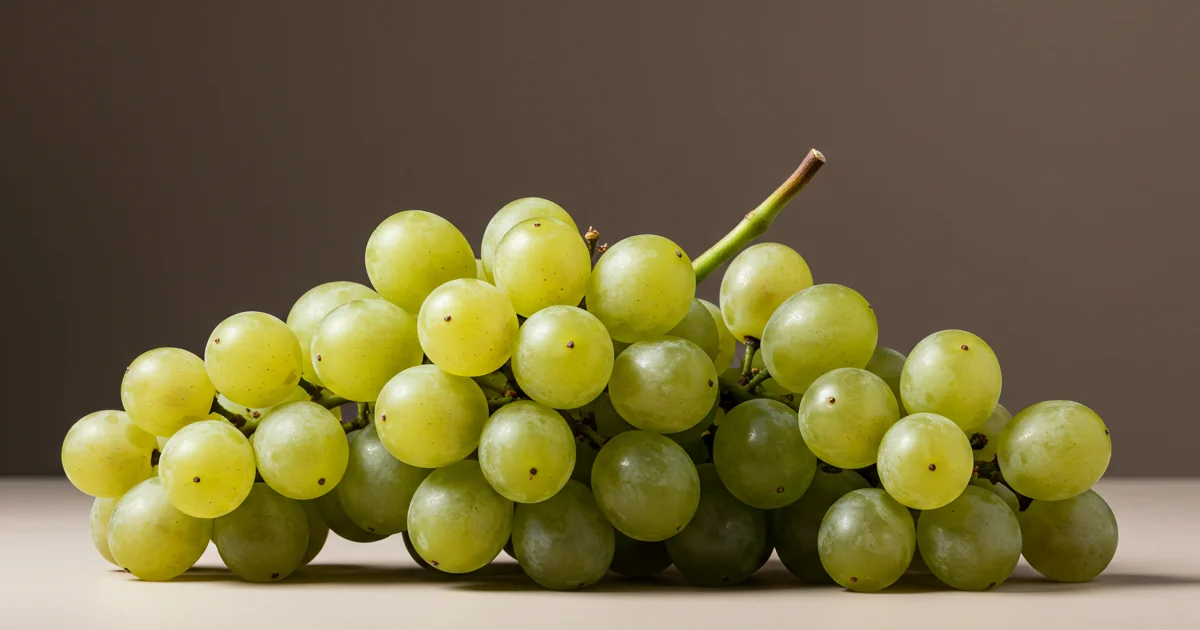
| Skin Character | Thick skins, drought-tolerant |
Frequently asked questions
What is Airén wine like?
Typically neutral to lightly citrus, with modest aroma intensity; modern cool ferments improve freshness over older oxidative bulk styles.
Where is Airén grown?
Overwhelmingly in Spain’s Castilla-La Mancha / La Mancha region.
Why was Airén so widely planted?
Drought tolerance, high yields, and suitability for hot continental plateaus made it the workhorse of Spanish white production and brandy.
Related in this catalog
-
Grüner Veltliner
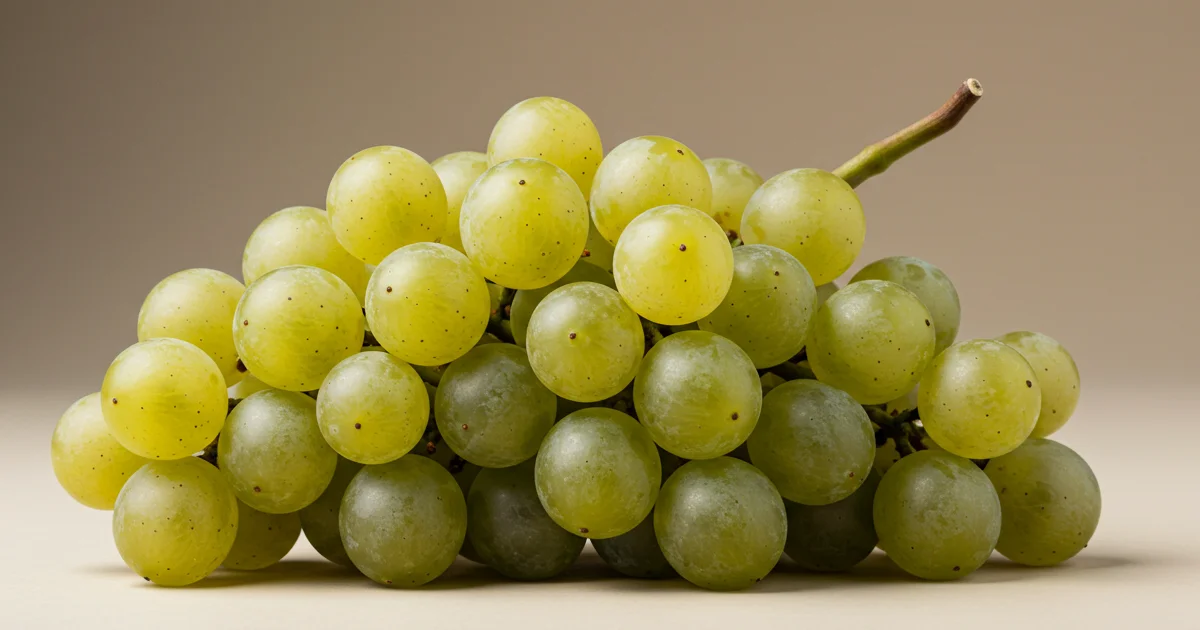
Grüner Veltliner is Austria’s signature white grape, delivering peppery, citrus-driven wines from light Heuriger styles to monumental Smaragd bottlings. The Wachau, Kremstal, and Kamptal define its global reputation.
-
Muscat
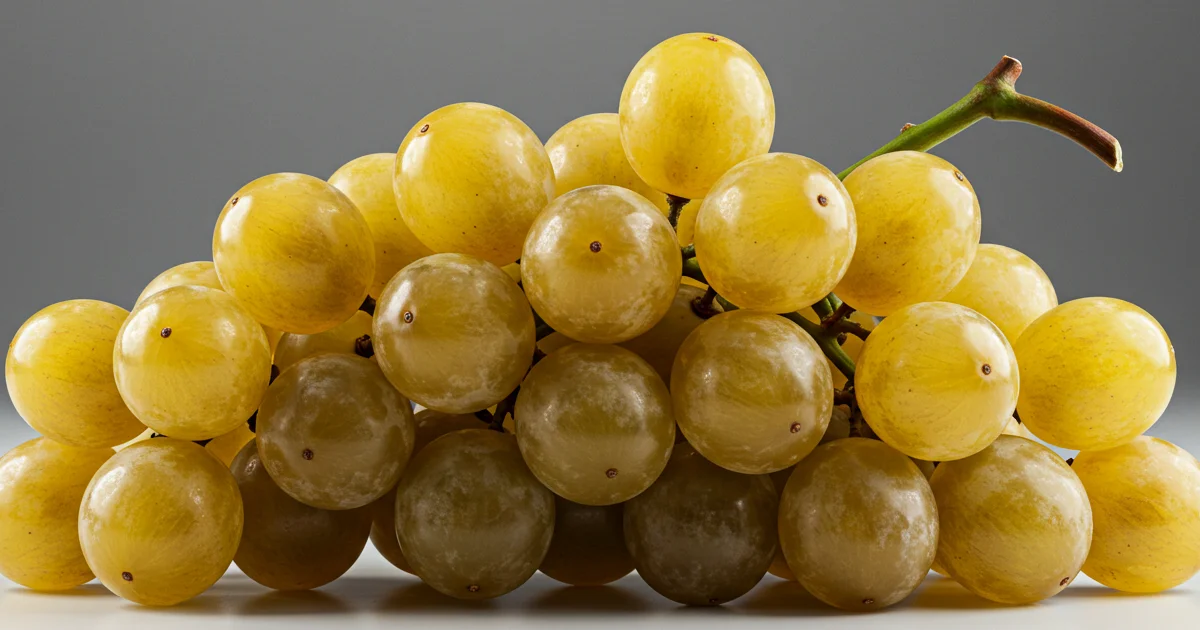
Muscat denotes a family of ancient aromatic grapes—especially Muscat Blanc à Petits Grains—that smell like fresh grapes and orange blossom. Styles span dry Alsace bottles, sparkling Asti, and fortified Mediterranean vins doux naturels.
-
Chardonnay
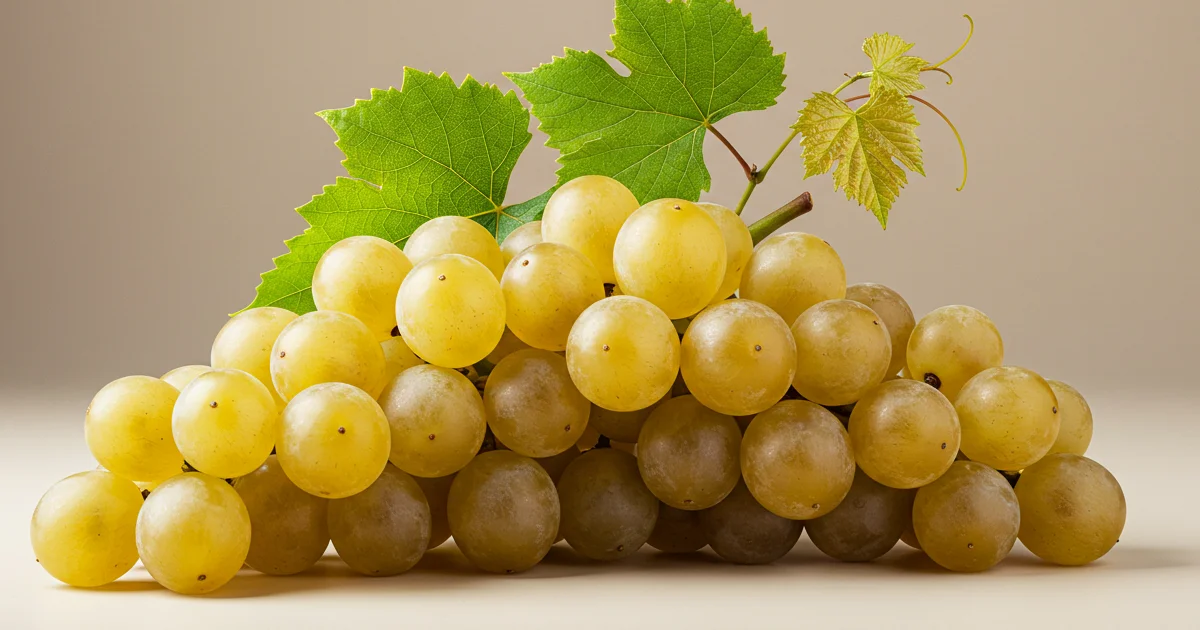
Chardonnay is a green-skinned wine grape that yields still and sparkling white wines across cool and warm climates. Native to Burgundy, it is among the world’s most planted white varieties and adapts from lean Chablis styles to richer oak-fermented expressions.
-
Riesling
Riesling is an aromatic white grape prized for high acidity, transparency to site, and a spectrum from bone-dry to lusciously sweet. Its historic heartland is Germany’s Mosel and Rheingau, with major plantings also in Alsace and cool Australian valleys.