
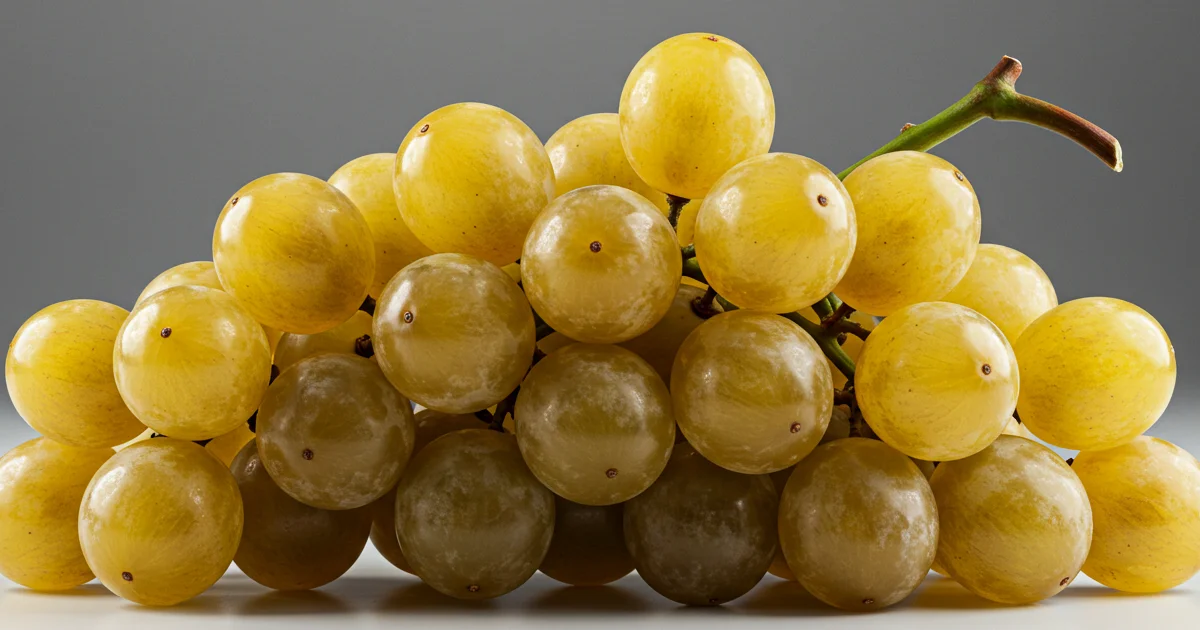
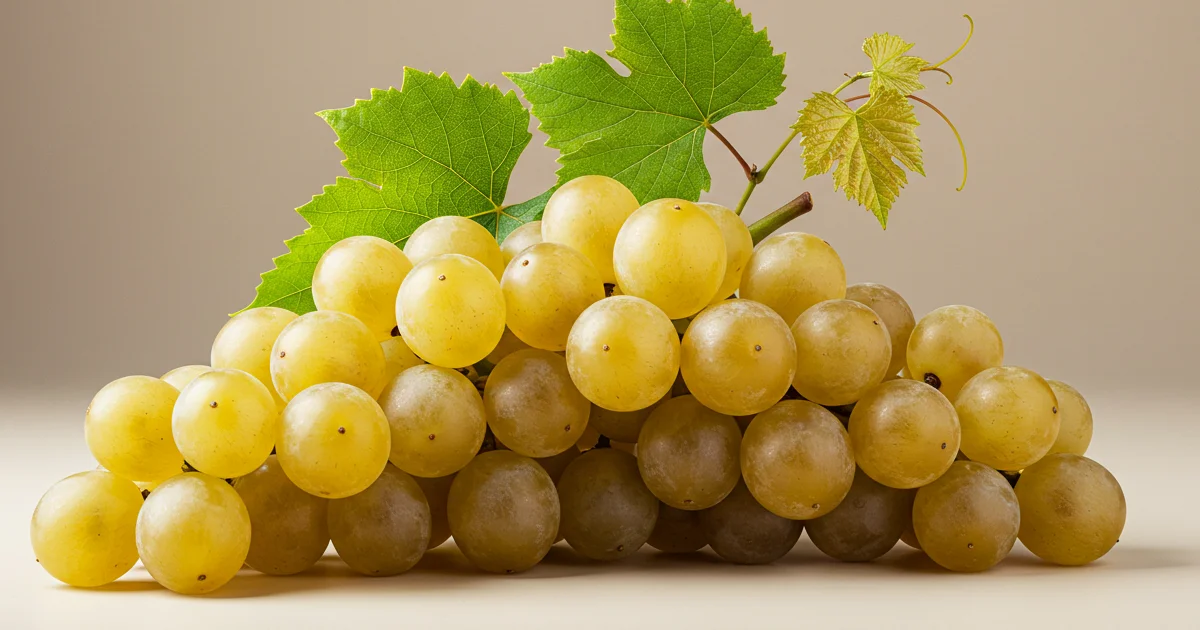
Muscat is less a single clone than a family; Muscat Blanc à Petits Grains is the quality reference for still and sparkling wines that literally smell of table grapes. That primary grapey character is uncommon among Vitis vinifera and defines Muscat’s marketing identity.
Warm Mediterranean coasts host fortified Muscats of Frontignan, Beaumes-de-Venise, and similar VDNs, while Piedmont’s Asti builds low-alcohol sparkling wines from Moscato Bianco. Alsace Muscat (often Ottonel or blends) shows a drier, floral lane in a cooler latitude.
Production must protect volatile aromatics: cool ferments, minimal oxygen, and careful sulfur use. Relative to viognier, Muscat is more overtly floral-grapey and less peach-oily. Label literacy matters because “Muscat” can mean different family members with uneven quality ceilings.
Metrics
| Global Plantings | 30 kha |
|---|---|
| Typical ABV | 12 % |
Descriptors
| Primary Color | White |
|---|---|
| Climate Affinity | Warm Mediterranean |
| Aromatic Profile | Fresh grape, orange blossom, musk |
| Key Regions | Mediterranean basin, Alsace (Ottonel), Asti |
| Parentage | Ancient Muscat family (many related cultivars) |
| Skin Character | Variable; Muscat Blanc thick enough for late harvest |
Frequently asked questions
Is Muscat one grape?
It is a family of related cultivars; Muscat Blanc à Petits Grains is the most celebrated for fine wine.
Is Muscat wine sweet?
Frequently yes—sparkling Asti and fortified Muscats are sweet—but dry Muscat exists, notably in Alsace.
Why does Muscat smell like grapes?
It retains monoterpene aromatics associated with fresh table grapes more than most wine cultivars.
Related in this catalog
-
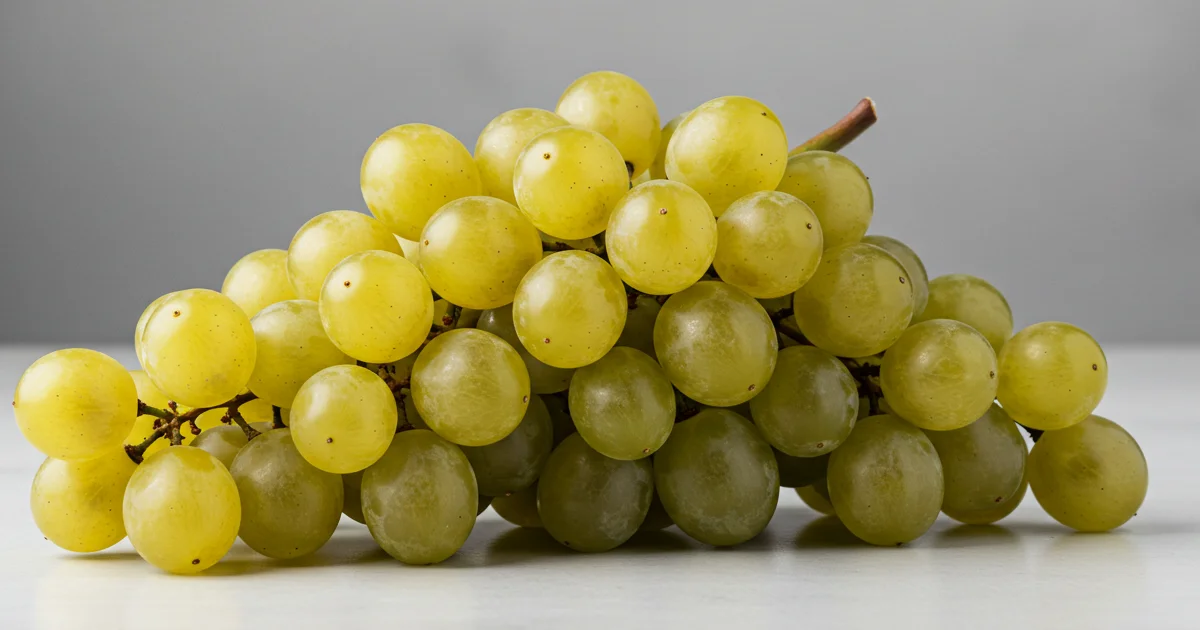
Albariño
Albariño (Alvarinho in Portugal) is a thick-skinned white grape from Galicia’s Rías Baixas and neighboring Vinho Verde. It yields aromatic, high-acid wines with citrus, peach, and Atlantic salinity.
-
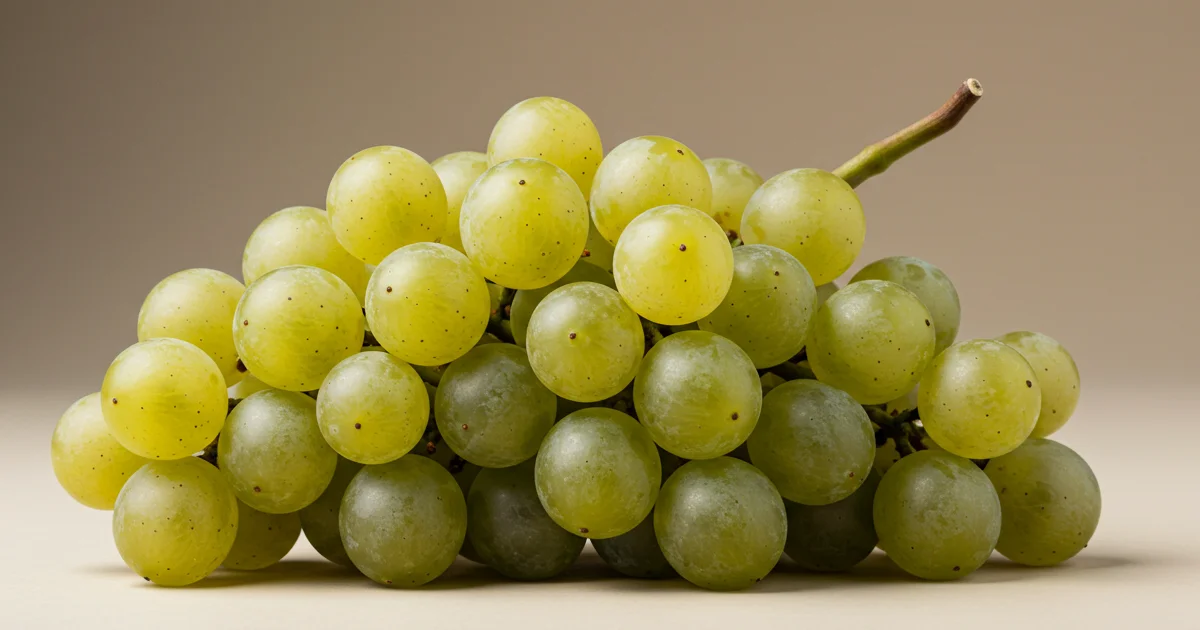
Grüner Veltliner
Grüner Veltliner is Austria’s signature white grape, delivering peppery, citrus-driven wines from light Heuriger styles to monumental Smaragd bottlings. The Wachau, Kremstal, and Kamptal define its global reputation.
-
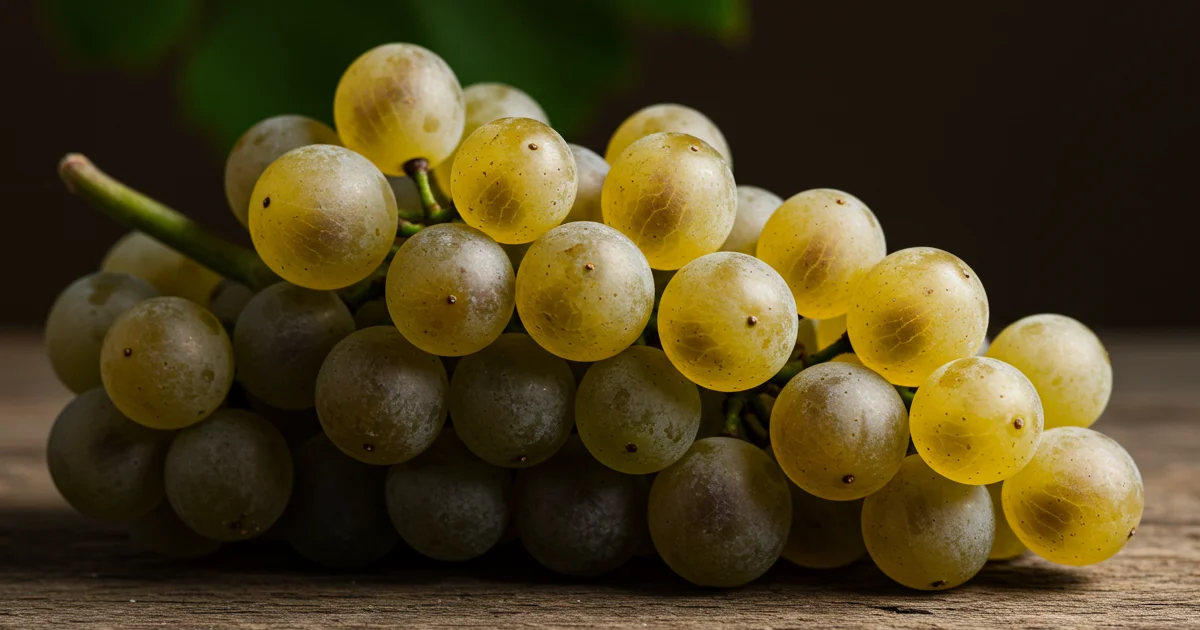
Airén
Airén is a drought-hardy white grape that long dominated Spain’s vineyard area, especially La Mancha. Once used mainly for bulk wine and brandy, it is being reshaped by modern cool fermentation into fresher everyday whites.
-
Chardonnay
Chardonnay is a green-skinned wine grape that yields still and sparkling white wines across cool and warm climates. Native to Burgundy, it is among the world’s most planted white varieties and adapts from lean Chablis styles to richer oak-fermented expressions.