
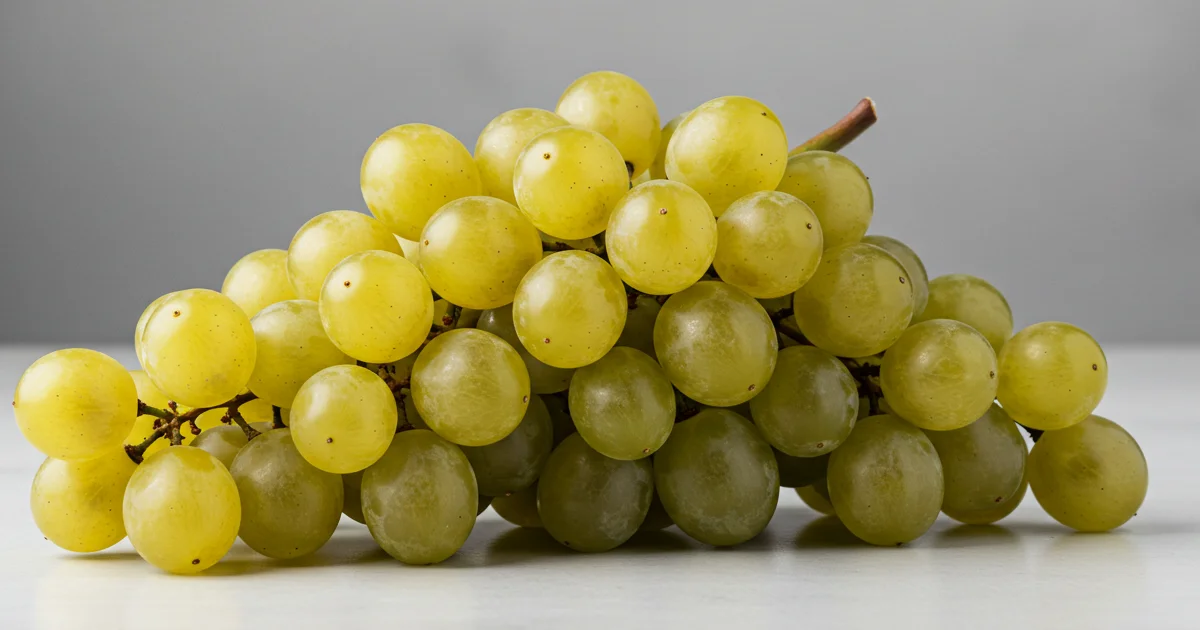
Albariño thrives in misty, maritime northwest Iberia where thick skins resist fungal pressure that would punish thinner varieties. Aromatic citrus and stone fruit sit over firm acidity, making it a natural seafood partner.
Rías Baixas subzones such as Val do Salnés concentrate quality plantings on granitic soils near the Atlantic. Across the Minho, Portuguese Alvarinho shares the same cultivar identity with local clonal and stylistic nuances.
Most Albariño is fermented in stainless steel for purity; some producers use large oak or lees aging for texture without toast dominance. Compared with inland Spanish whites such as airen, Albariño is far more aromatic and climate-specific to cool coasts rather than hot plateaus.
Metrics
| Global Plantings | 8 kha |
|---|---|
| Typical ABV | 12.5 % |
Descriptors
| Primary Color | White |
|---|---|
| Climate Affinity | Cool maritime |
| Aromatic Profile | Citrus, peach, saline, white flowers |
| Key Regions | Rías Baixas, Vinho Verde (as Alvarinho) |
| Parentage | Iberian white; exact parents debated |
| Skin Character | Thick skins, disease-resistant in humid climates |
Frequently asked questions
Is Albariño the same as Alvarinho?
Yes. Albariño is the Galician Spanish name; Alvarinho is the Portuguese name for the same grape.
Where is Albariño grown?
Primarily in Spain’s Rías Baixas DO and Portugal’s Vinho Verde region, with smaller New World plantings.
What food pairs with Albariño?
Atlantic seafood, shellfish, and light ceviches suit its acidity, citrus, and saline edge.
Related in this catalog
-
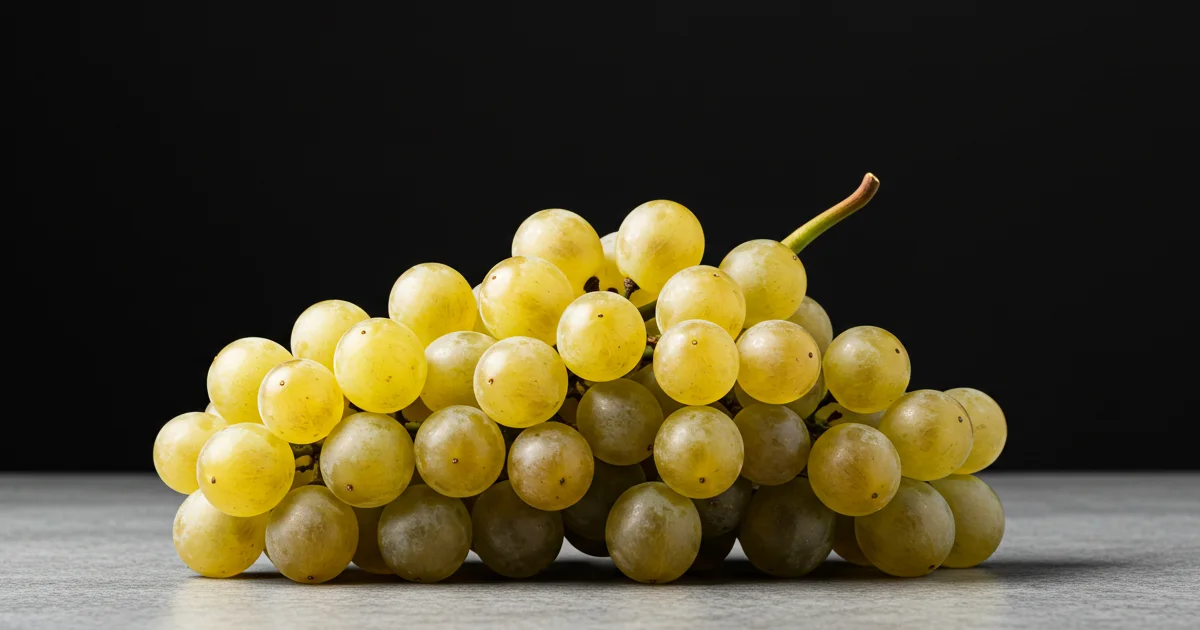
Sémillon
Sémillon is a golden-skinned Bordeaux grape central to dry Graves whites and sweet Sauternes, and to long-lived Hunter Valley wines in Australia. Thin skins make it especially receptive to noble rot in humid autumns.
-
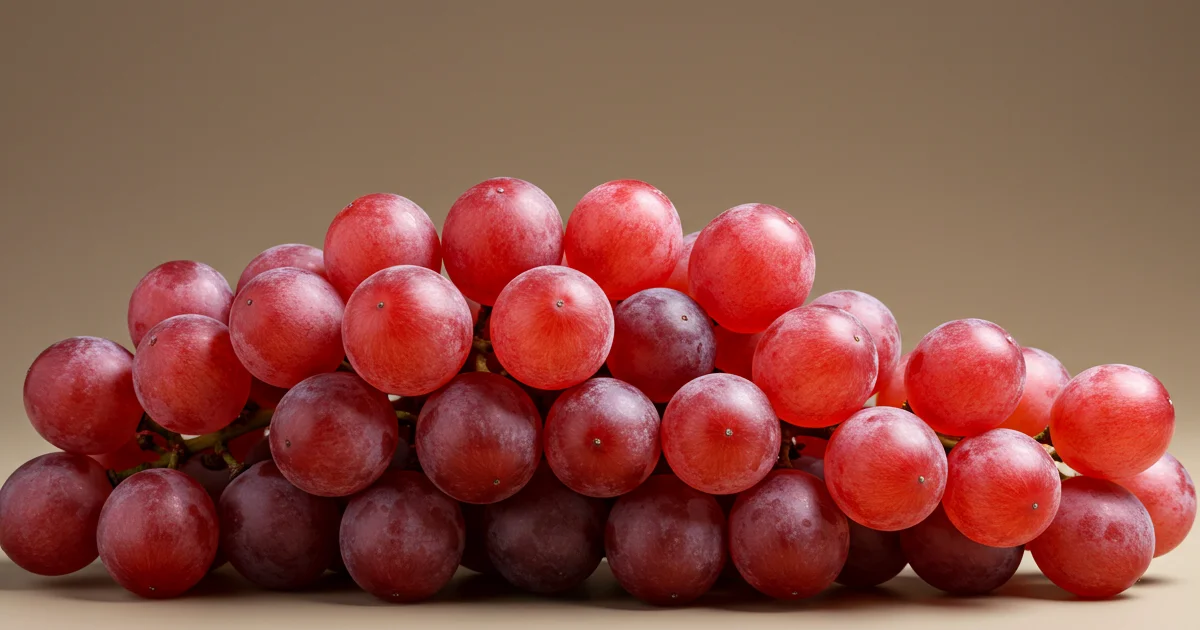
Gewürztraminer
Gewürztraminer is a pink-skinned aromatic grape producing deeply perfumed whites with lychee, rose, and spice notes. Alsace is its quality capital; the name signals the “spiced” (gewürz) Traminer mutation.
-
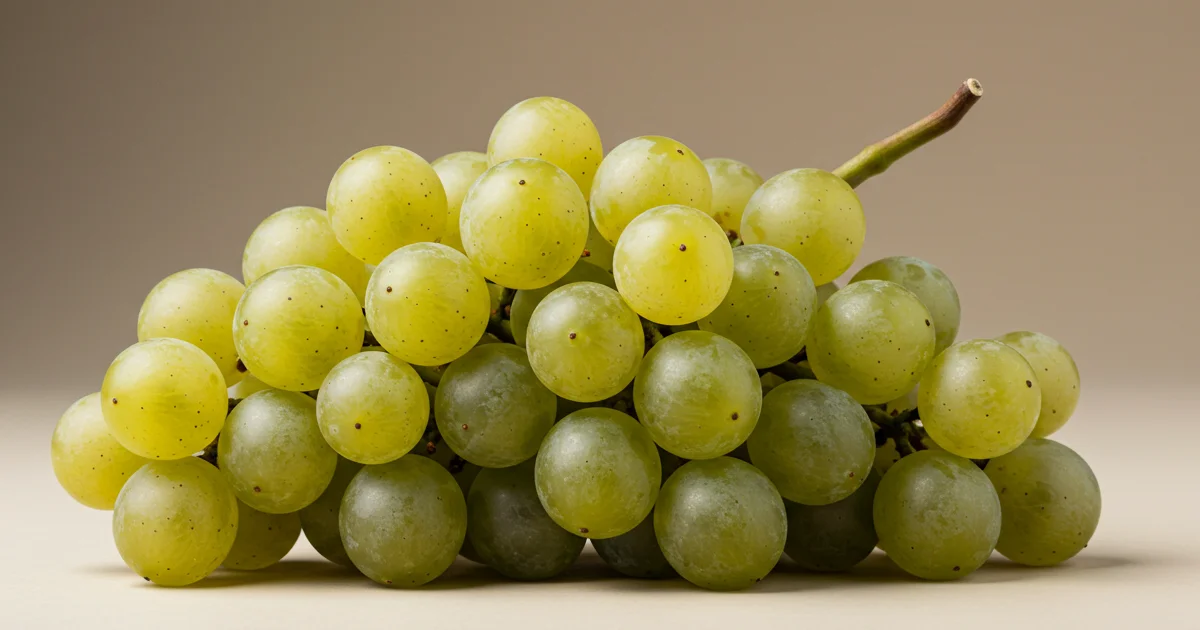
Grüner Veltliner
Grüner Veltliner is Austria’s signature white grape, delivering peppery, citrus-driven wines from light Heuriger styles to monumental Smaragd bottlings. The Wachau, Kremstal, and Kamptal define its global reputation.
-
Muscat
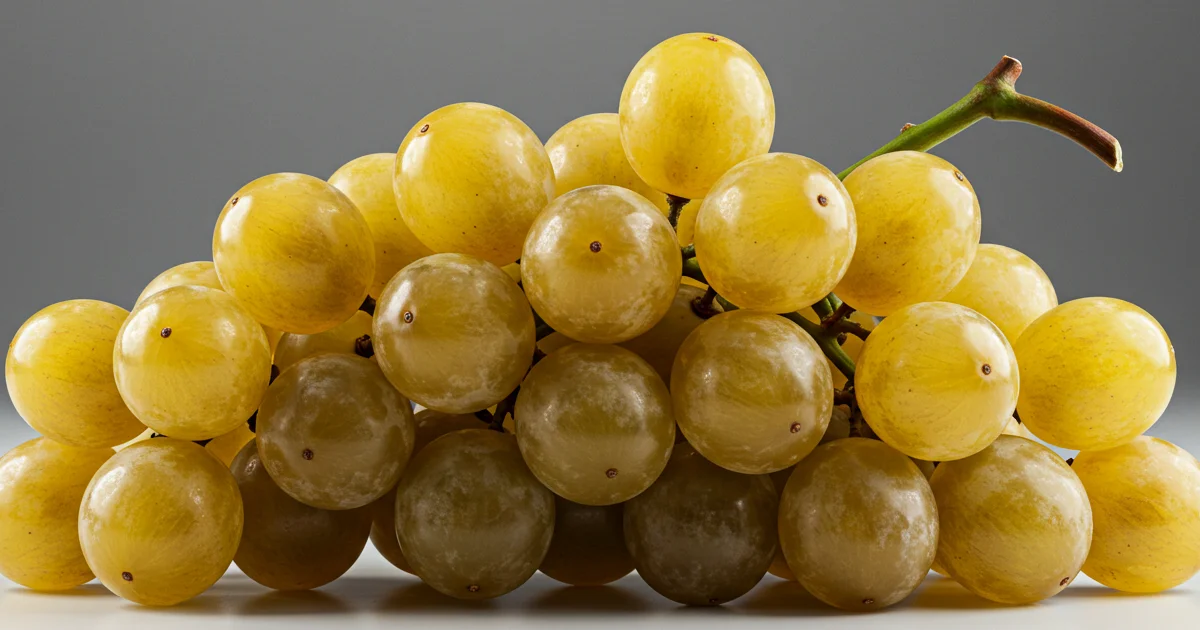
Muscat denotes a family of ancient aromatic grapes—especially Muscat Blanc à Petits Grains—that smell like fresh grapes and orange blossom. Styles span dry Alsace bottles, sparkling Asti, and fortified Mediterranean vins doux naturels.