
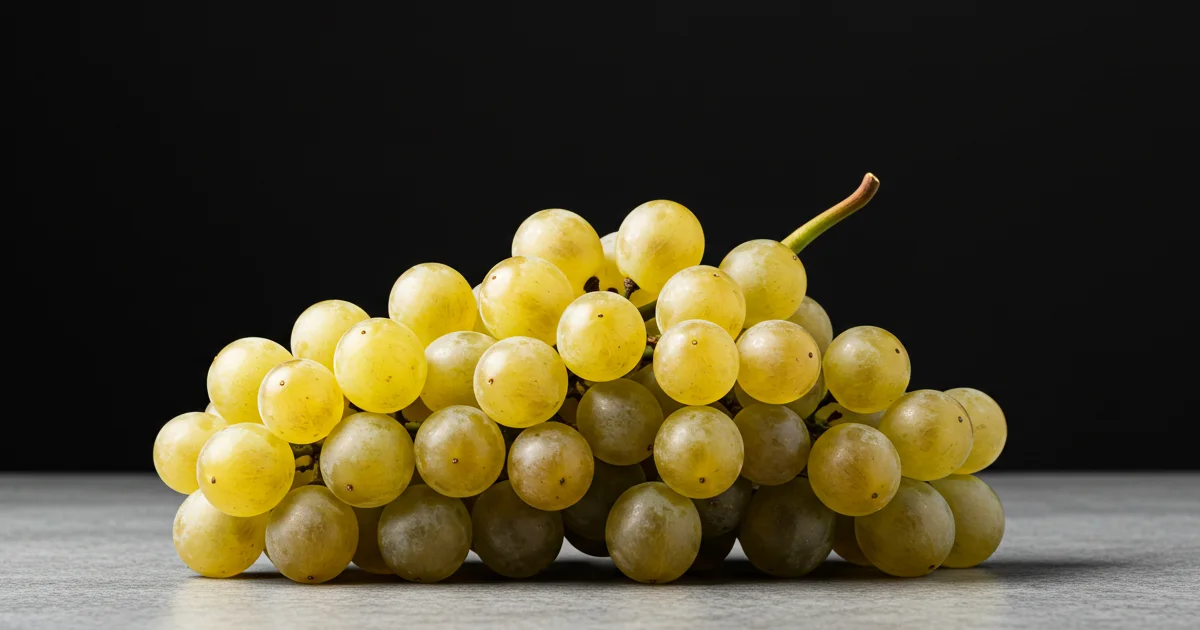
Sémillon (often written Semillon in New World labeling) brings body, lemon-curd fruit, and a waxy texture that ages toward toast and honey. In Bordeaux it partners with sauvignon blanc for dry blends and dominates many Sauternes cuvées when Botrytis cinerea concentrates sugars.
Hunter Valley’s humid subtropical edge yields distinctive low-alcohol, long-lived dry Semillon bottled early and aged in bottle rather than oak. Bordeaux’s Left Bank sweet-wine communes depend on autumn mist for noble rot cycles that Sémillon’s thin skins invite.
Production for dry styles emphasizes early harvest and protective handling; sweet styles require successive tries through the vineyard as rot develops unevenly. Global plantings shrank with Bordeaux white acreage losses, yet icon estates still treat Sémillon as structural insurance beside more aromatic partners.
Metrics
| Global Plantings | 18 kha |
|---|---|
| Typical ABV | 12.5 % |
Descriptors
| Primary Color | White |
|---|---|
| Climate Affinity | Moderate to warm |
| Aromatic Profile | Lemon, beeswax, toast with age, honey when botrytized |
| Key Regions | Bordeaux, Hunter Valley, Sauternes |
| Parentage | Bordeaux white lineage |
| Skin Character | Thin skins, prone to noble rot |
Frequently asked questions
What is Sémillon used for?
Dry white blends, bottle-aged Hunter Valley Semillon, and botrytized sweet wines such as Sauternes.
How do you pronounce Sémillon?
Roughly “seh-mee-yon” in French; English labels often drop the accent and say “SEM-ih-lon.”
Why is Sémillon good for dessert wine?
Thin skins and susceptibility to noble rot allow sugar concentration while retaining enough acidity for balance.
Related in this catalog
-
Chenin Blanc
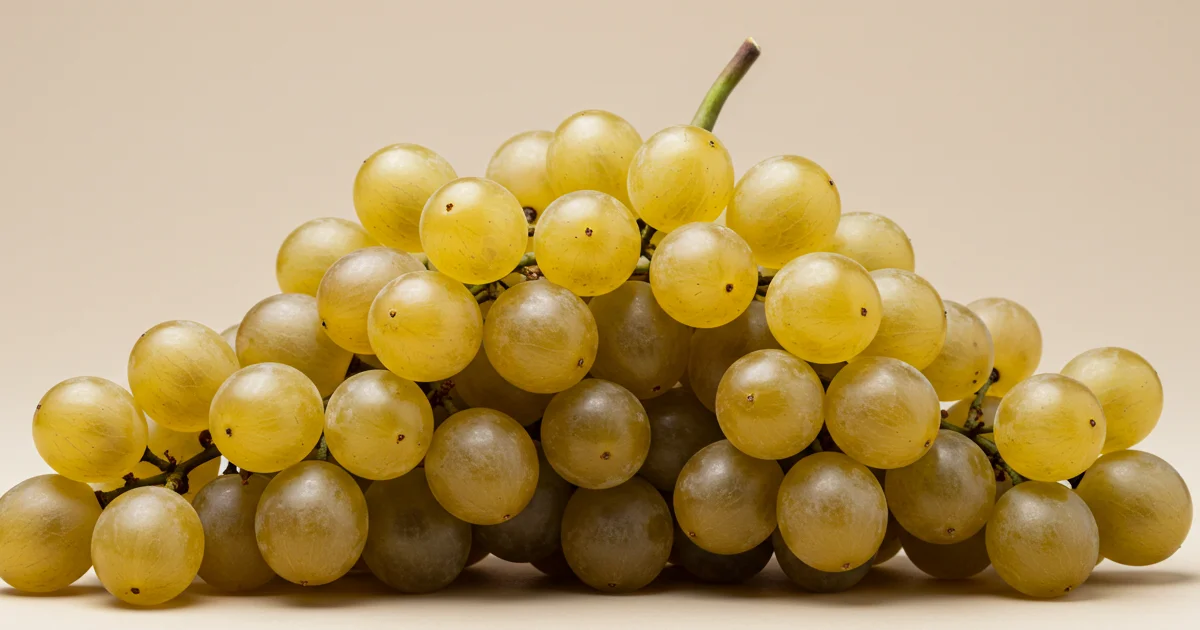
Chenin Blanc is a versatile white grape with naturally high acidity, supporting dry, off-dry, sparkling, and sweet wines. The Loire Valley is its historic home; South Africa holds the largest modern plantings.
-
Viognier
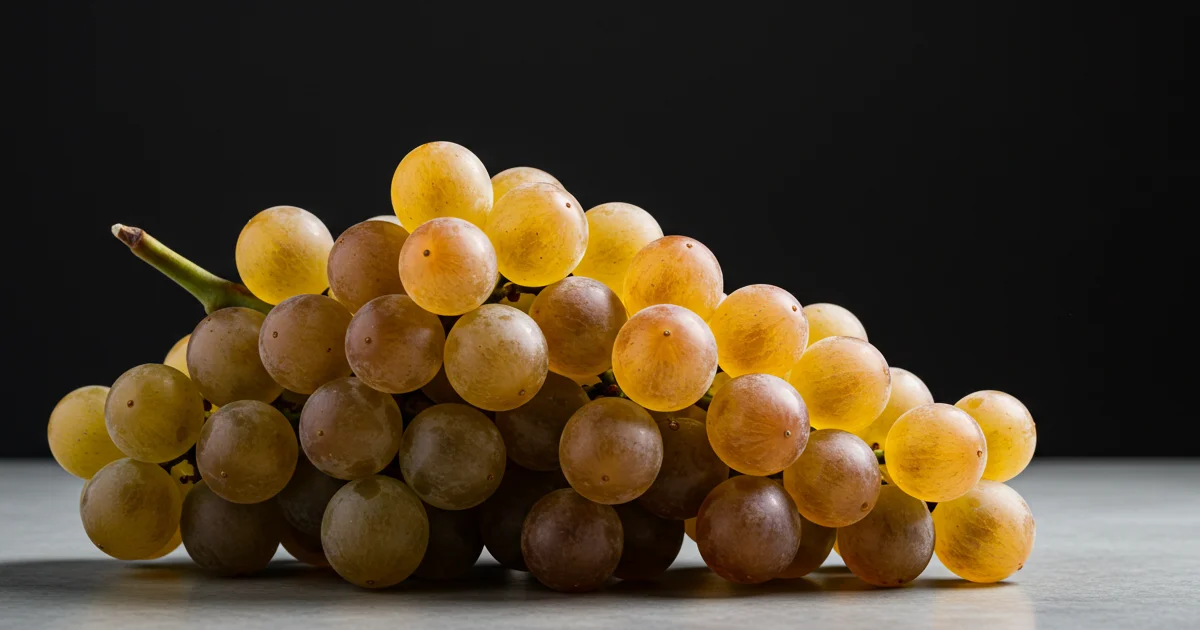
Viognier is an aromatic white Rhône grape producing full-bodied wines with apricot, peach, and floral perfume. Condrieu is its tiny historic appellation; plantings have expanded modestly worldwide since the late twentieth century.
-
Gewürztraminer
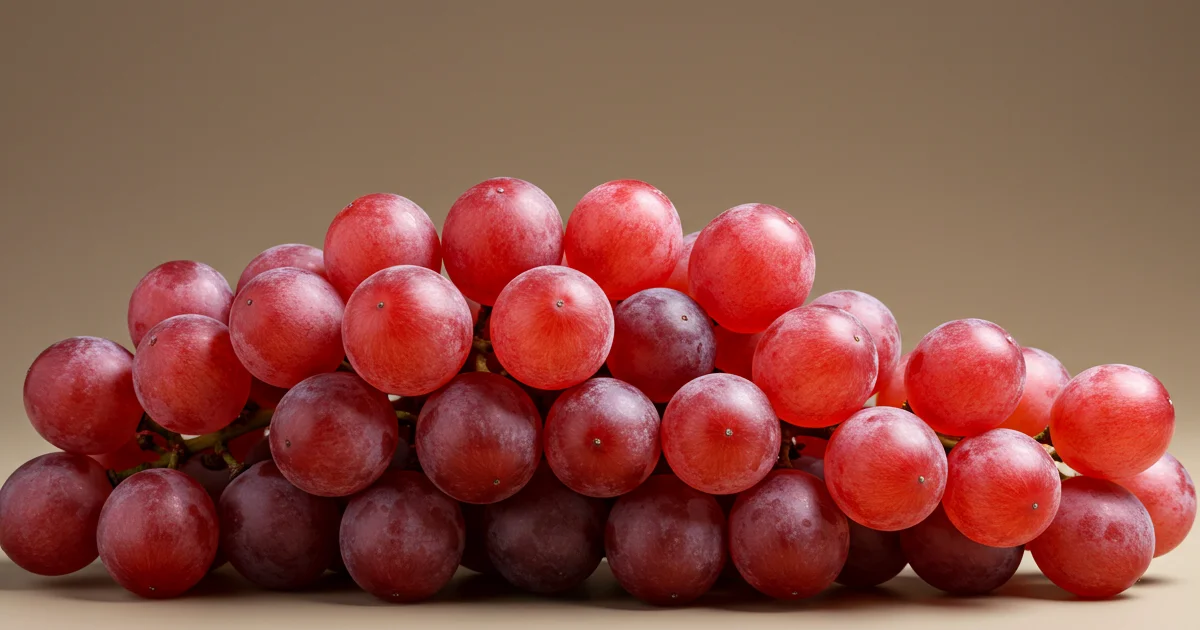
Gewürztraminer is a pink-skinned aromatic grape producing deeply perfumed whites with lychee, rose, and spice notes. Alsace is its quality capital; the name signals the “spiced” (gewürz) Traminer mutation.
-
Albariño
Albariño (Alvarinho in Portugal) is a thick-skinned white grape from Galicia’s Rías Baixas and neighboring Vinho Verde. It yields aromatic, high-acid wines with citrus, peach, and Atlantic salinity.