
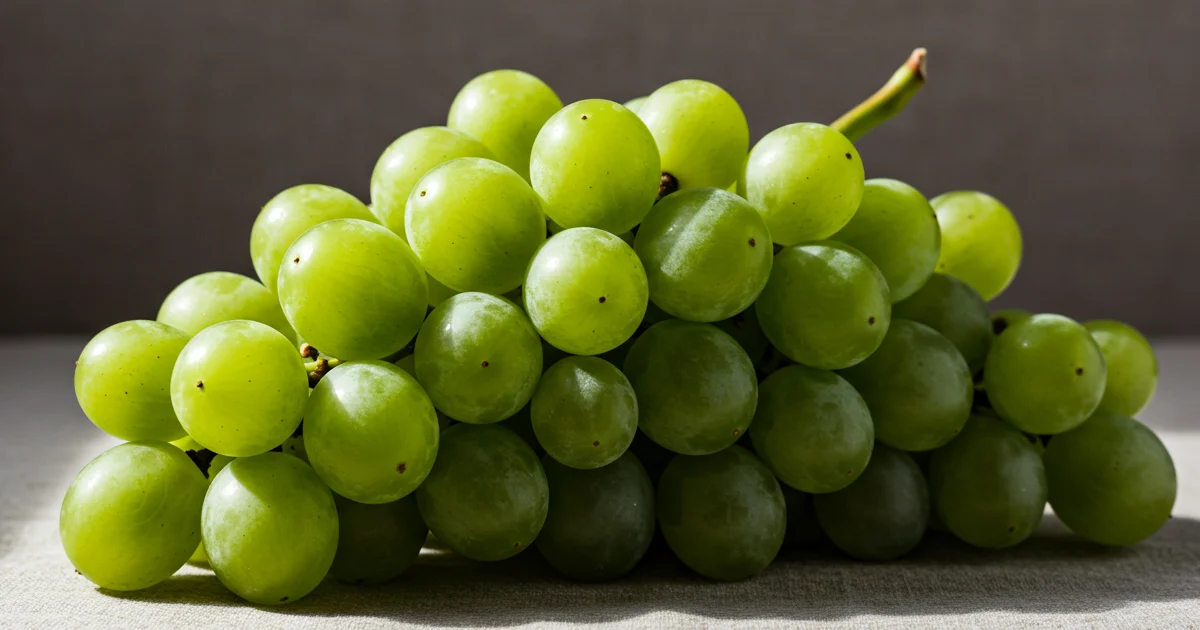
Sauvignon Blanc delivers high-toned aromatics—gooseberry, cut grass, passionfruit, and citrus pith—that read clearly even in stainless-steel ferments. It ripens early enough for cool latitudes yet can turn aggressively tropical when heat accelerates sugar accumulation.
The Loire’s Central Vineyards remain the European reference for flinty, chalk-influenced styles, while Bordeaux blends it with semillon for dry whites and sweet wines of Sauternes. Marlborough’s large-scale plantings made passionfruit-and-guava Sauvignon a supermarket staple without erasing Loire’s more restrained template.
Winemaking usually avoids heavy new oak so pyrazine and thiol aromas stay in front; occasional barrel contact softens edges for “Fumé Blanc” cuvées. Canopy management in the vineyard is decisive: too much shade amplifies green notes, while excess sun can mute the variety’s signature lift.
Metrics
| Global Plantings | 130 kha |
|---|---|
| Typical ABV | 12.5 % |
Descriptors
| Primary Color | White |
|---|---|
| Climate Affinity | Cool to moderate |
| Aromatic Profile | Gooseberry, passionfruit, grass, citrus |
| Key Regions | Loire Valley, Marlborough, Bordeaux |
| Parentage | Savagnin-related family; parent of Cabernet Sauvignon |
| Skin Character | Thin to medium skins, mid-season ripening |
Frequently asked questions
What does Sauvignon Blanc taste like?
Expect high acidity with aromas of gooseberry, grass, citrus, and often passionfruit in warmer New World examples.
Where is Sauvignon Blanc from?
It is strongly associated with France’s Loire Valley and Bordeaux, and is now extensively planted in New Zealand and other cool-moderate regions.
Is Sauvignon Blanc related to Cabernet Sauvignon?
Yes. DNA evidence shows Cabernet Sauvignon is a natural cross of Cabernet Franc and Sauvignon Blanc.
Related in this catalog
-
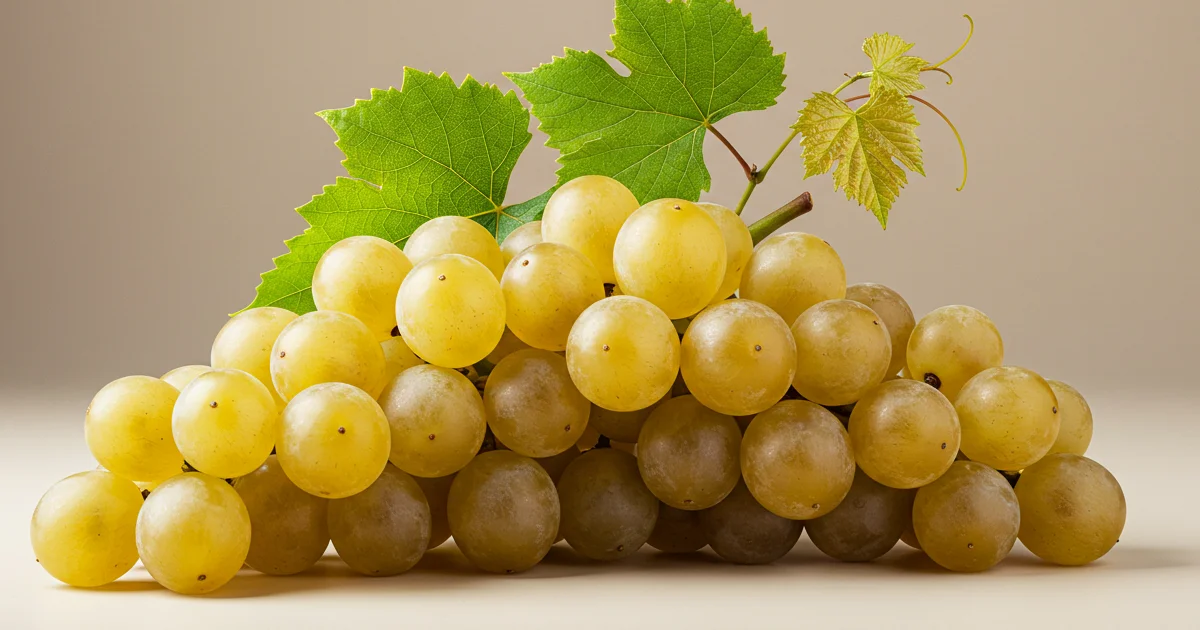
Chardonnay
Chardonnay is a green-skinned wine grape that yields still and sparkling white wines across cool and warm climates. Native to Burgundy, it is among the world’s most planted white varieties and adapts from lean Chablis styles to richer oak-fermented expressions.
-
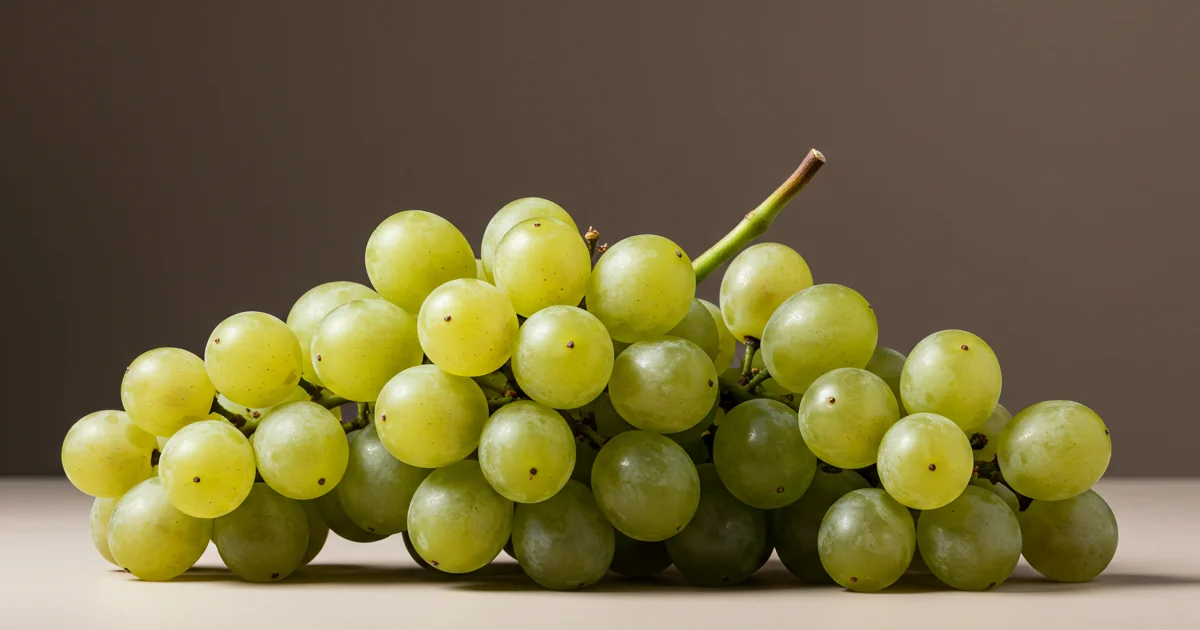
Riesling
Riesling is an aromatic white grape prized for high acidity, transparency to site, and a spectrum from bone-dry to lusciously sweet. Its historic heartland is Germany’s Mosel and Rheingau, with major plantings also in Alsace and cool Australian valleys.
-
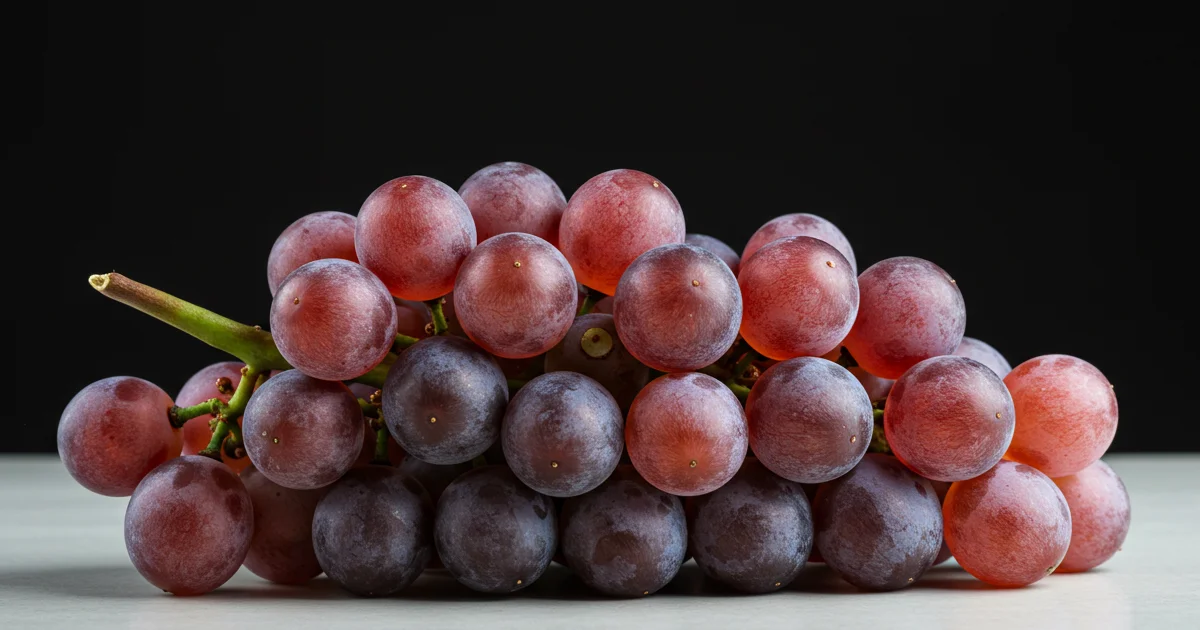
Pinot Gris
Pinot Gris (Pinot Grigio) is a Pinot Noir color mutation with grey-pink skins that produces white wines from light and crisp to rich and spicy. Alsace, northern Italy, and Oregon are leading quality centers.
-
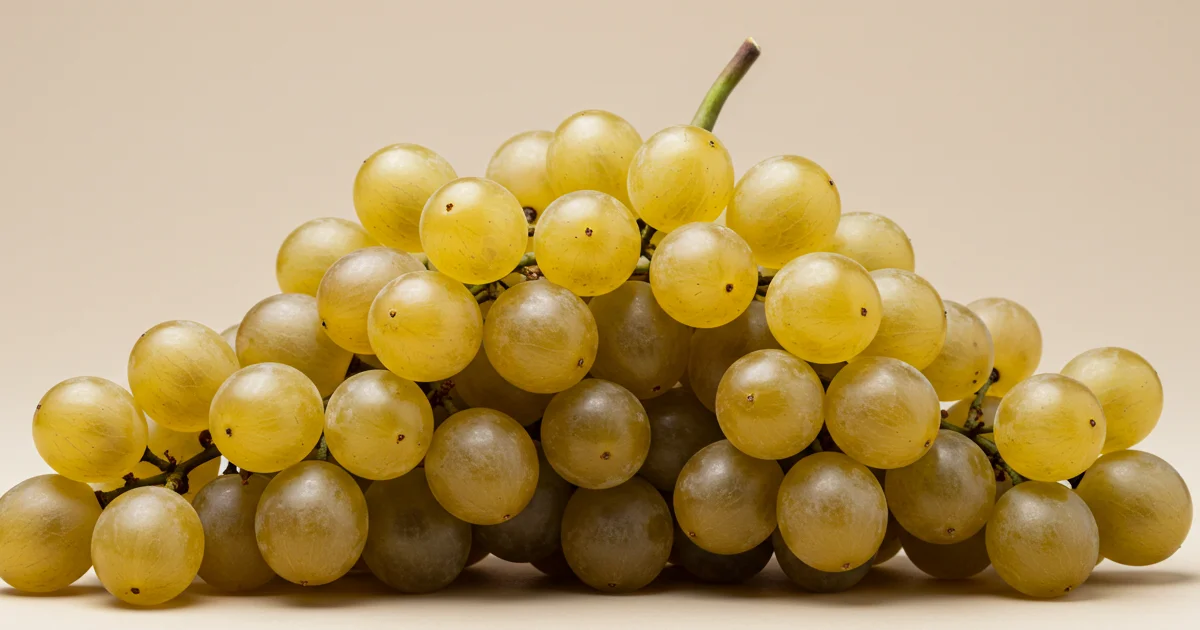
Chenin Blanc
Chenin Blanc is a versatile white grape with naturally high acidity, supporting dry, off-dry, sparkling, and sweet wines. The Loire Valley is its historic home; South Africa holds the largest modern plantings.