
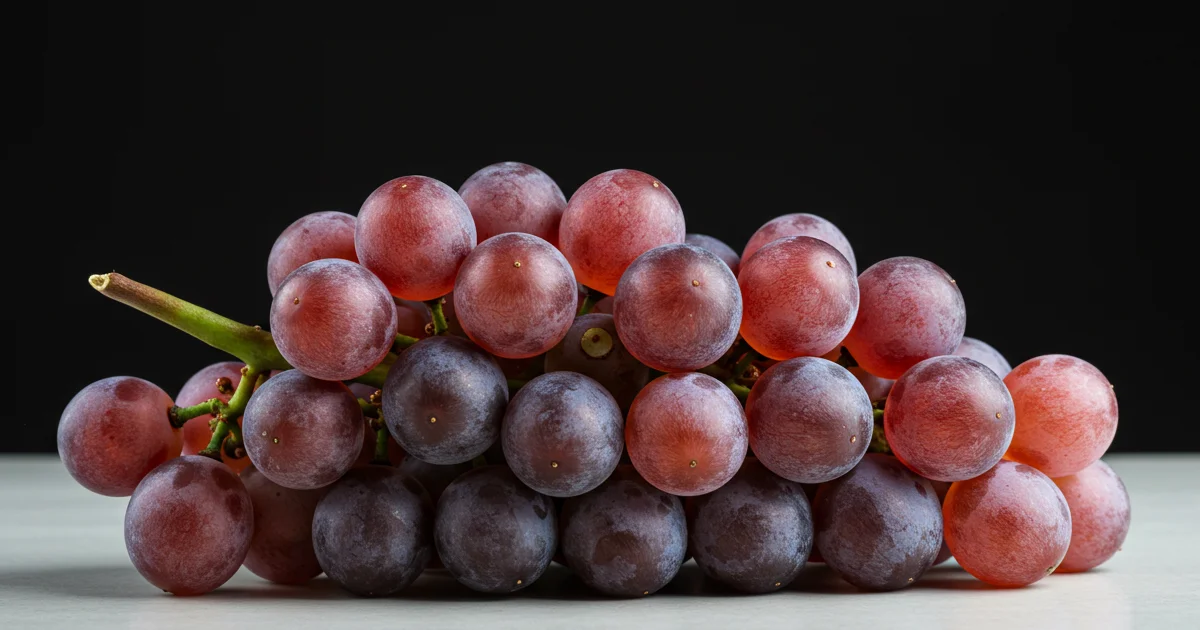
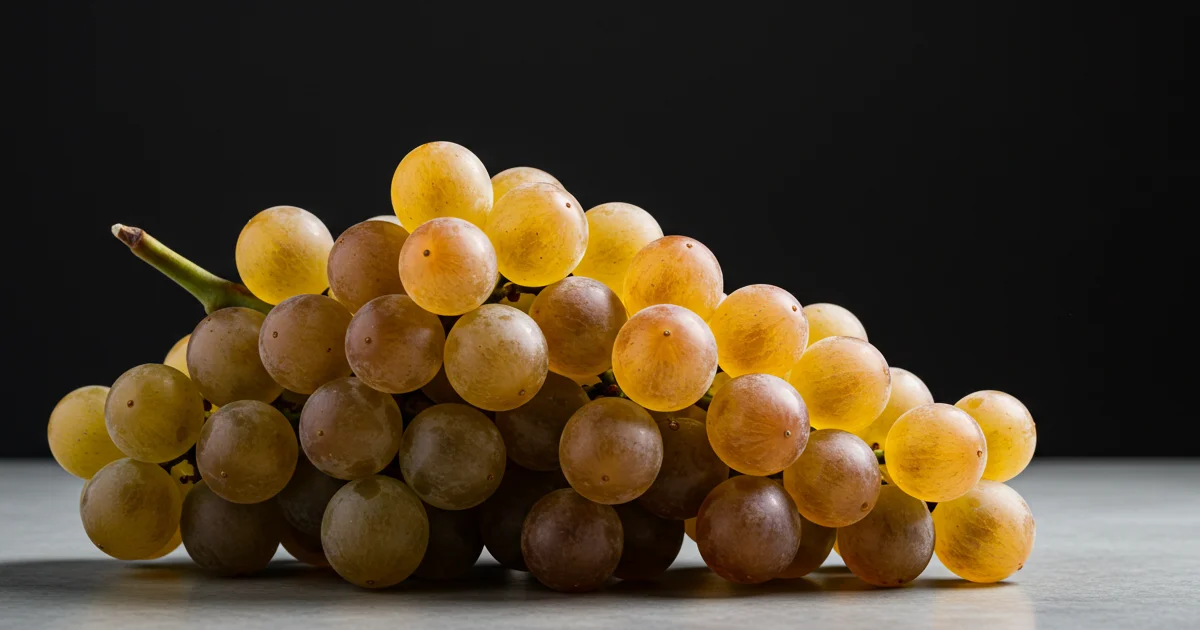
Pinot Gris is genetically a mutation of Pinot Noir, sharing the Burgundy family’s thin-skinned sensitivity while presenting grey-to-pink berries that usually vinify as white wine. Crop level and pick date swing style dramatically from pale, neutral Pinot Grigio to fuller Alsace Pinot Gris.
Alsace favors richer texture, spice, and occasional residual sugar, whereas Veneto and other Italian zones often chase earlier harvests for lighter, higher-acid bottlings sold as Pinot Grigio. Oregon’s Willamette Valley bridges those poles with pear-driven, moderately textured wines from cool Pacific influence.
In production, skin contact can deepen color toward copper and add phenolics; most commercial wine is pressed quickly for clarity. Because it shares parentage with chardonnay’s Pinot lineage, site and yield matter more than oak for quality. Noble-rot and late-harvest versions appear where autumn humidity cooperates.
Metrics
| Global Plantings | 55 kha |
|---|---|
| Typical ABV | 13 % |
Descriptors
| Primary Color | White |
|---|---|
| Climate Affinity | Cool to moderate |
| Aromatic Profile | Pear, honey, spice, faint pink-fruit |
| Key Regions | Alsace, Alto Adige, Oregon, Veneto (as Pinot Grigio) |
| Parentage | Mutation of Pinot Noir |
| Skin Character | Pink-grey skins, early ripening |
Frequently asked questions
Are Pinot Gris and Pinot Grigio the same grape?
Yes. They are the same cultivar; naming usually signals regional style—richer Alsace Pinot Gris versus lighter Italian Pinot Grigio.
Is Pinot Gris related to Pinot Noir?
Yes. Pinot Gris is a color mutation of Pinot Noir within the broader Pinot family.
What climates suit Pinot Gris?
Cool to moderate climates preserve acidity; overly hot sites can yield flabby, low-acid wine unless yields and irrigation are tightly managed.
Related in this catalog
-
Riesling
Riesling is an aromatic white grape prized for high acidity, transparency to site, and a spectrum from bone-dry to lusciously sweet. Its historic heartland is Germany’s Mosel and Rheingau, with major plantings also in Alsace and cool Australian valleys.
-
Sauvignon Blanc
Sauvignon Blanc is a green-skinned grape known for pungent herbaceous and tropical aromatics and crisp acidity. Loire appellations such as Sancerre and Pouilly-Fumé, plus New Zealand’s Marlborough, define its modern global reputation.
-
Chenin Blanc
Chenin Blanc is a versatile white grape with naturally high acidity, supporting dry, off-dry, sparkling, and sweet wines. The Loire Valley is its historic home; South Africa holds the largest modern plantings.
-
Viognier
Viognier is an aromatic white Rhône grape producing full-bodied wines with apricot, peach, and floral perfume. Condrieu is its tiny historic appellation; plantings have expanded modestly worldwide since the late twentieth century.