
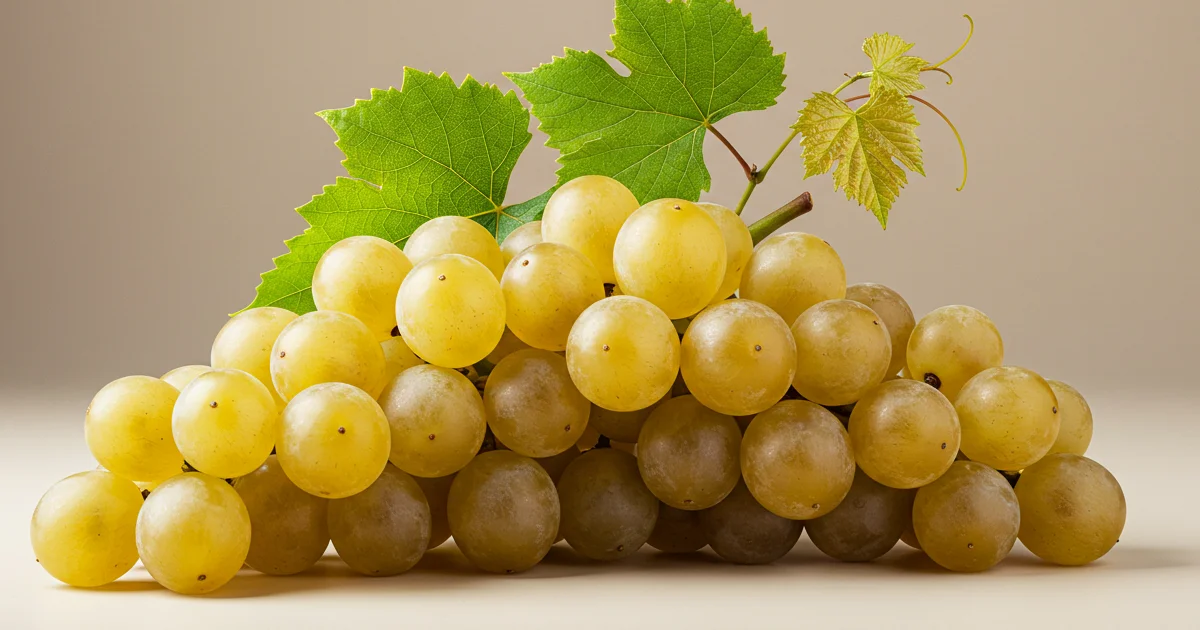
Chardonnay is a white wine grape cultivar whose flexible ripening window and relatively neutral aromatic baseline make it a global workhorse for still table wine and traditional-method sparkling wine. Genetic work identifies it as a cross of Pinot and Gouais Blanc, tying it to the same Burgundian family tree as Pinot Noir and related Pinot mutations such as pinot gris.
Geographically, the variety’s reference home remains Burgundy’s Côte d’Or and Chablis, with Champagne using it as one of three classic sparkling partners. New World plantings in California, Australia, and elsewhere push riper stone-fruit and tropical profiles when heat units rise, while cooler sites preserve green apple, citrus peel, and higher natural acidity.
In the cellar, Chardonnay accepts stainless steel, oak barrels, malolactic conversion, and lees aging without losing structural integrity, so producers dial texture more than variety perfume. Global plantings measured in the low hundreds of thousands of hectares keep it commercially dominant among white grapes while still supporting site-specific, low-intervention cuvées.
Metrics
| Global Plantings | 210 kha |
|---|---|
| Typical ABV | 13 % |
Descriptors
| Primary Color | White |
|---|---|
| Climate Affinity | Cool to warm temperate |
| Aromatic Profile | Apple, citrus, butter, oak-spice when barrel-aged |
| Key Regions | Burgundy, Champagne, California, Australia |
| Parentage | Pinot × Gouais Blanc |
| Skin Character | Thin-skinned, early ripening |
Frequently asked questions
What is Chardonnay wine made from?
Chardonnay wine is made from the Chardonnay grape, a white cultivar originating in Burgundy that is used for still whites and sparkling wines worldwide.
Where does Chardonnay grow best?
It thrives from cool limestone sites such as Chablis and Champagne to warmer coastal and inland valleys; style shifts with climate more than with a single fixed flavor script.
Is Chardonnay always oaked?
No. Many producers ferment and age in stainless steel for a leaner profile; oak and malolactic conversion are stylistic choices, not requirements.
Related in this catalog
-
Muscat
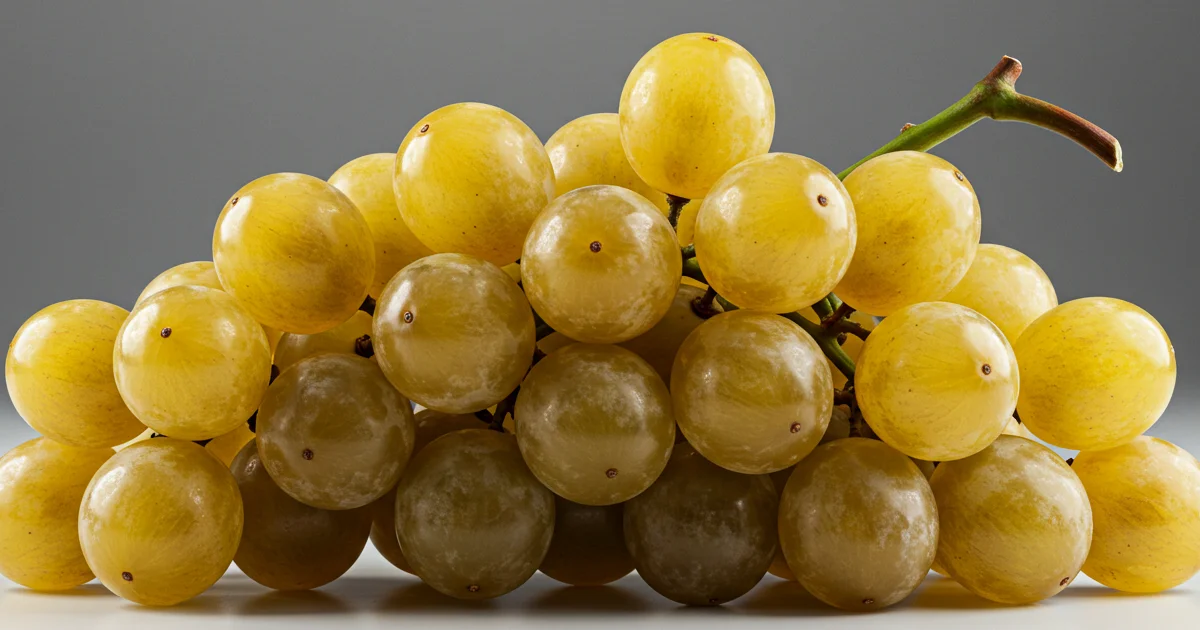
Muscat denotes a family of ancient aromatic grapes—especially Muscat Blanc à Petits Grains—that smell like fresh grapes and orange blossom. Styles span dry Alsace bottles, sparkling Asti, and fortified Mediterranean vins doux naturels.
-
Airén
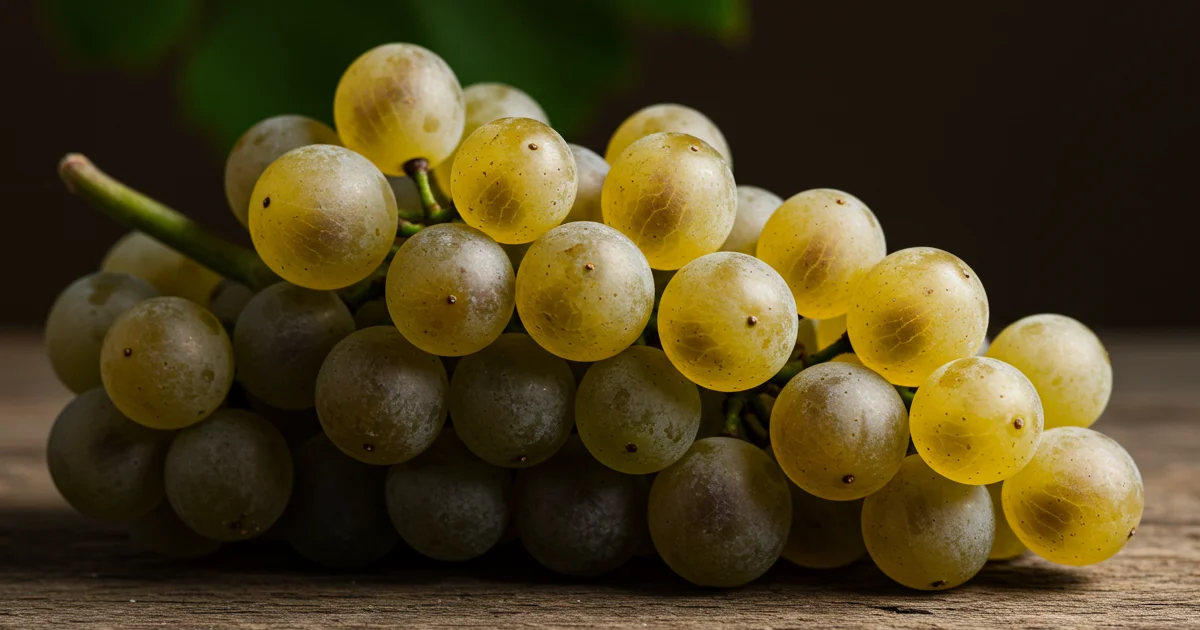
Airén is a drought-hardy white grape that long dominated Spain’s vineyard area, especially La Mancha. Once used mainly for bulk wine and brandy, it is being reshaped by modern cool fermentation into fresher everyday whites.
-
Riesling
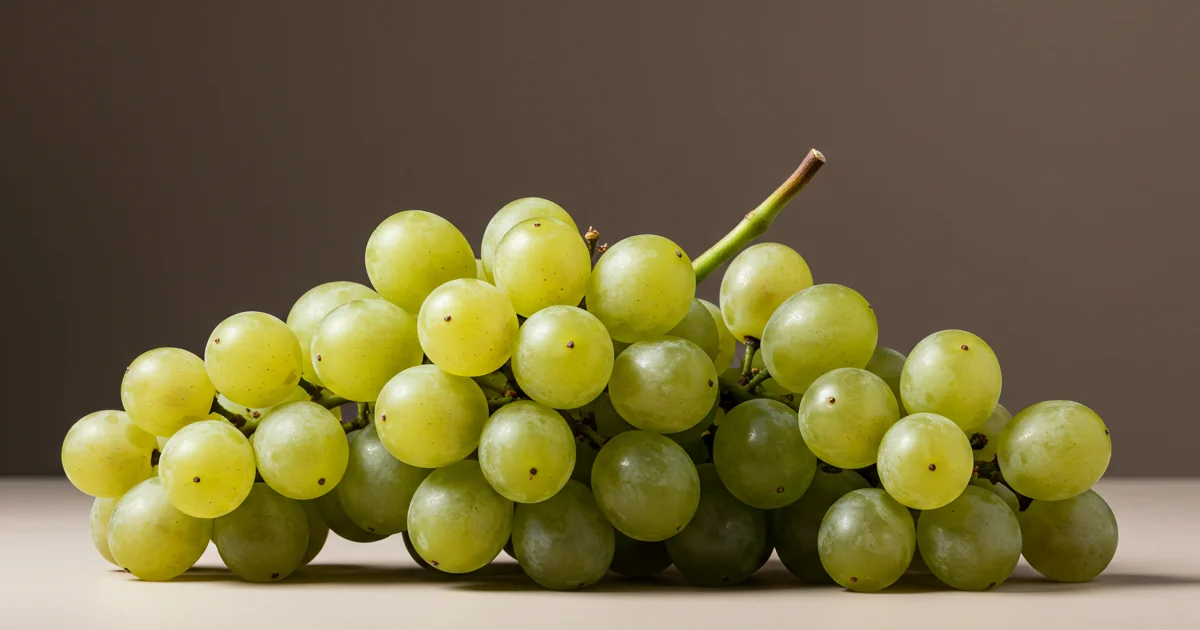
Riesling is an aromatic white grape prized for high acidity, transparency to site, and a spectrum from bone-dry to lusciously sweet. Its historic heartland is Germany’s Mosel and Rheingau, with major plantings also in Alsace and cool Australian valleys.
-
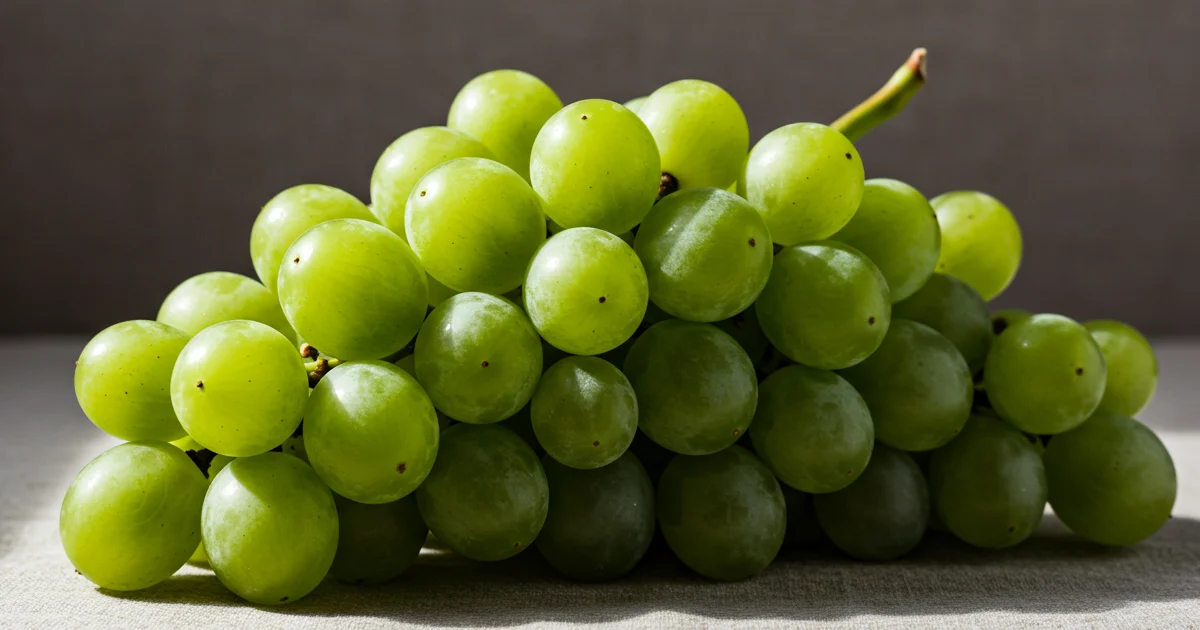
Sauvignon Blanc
Sauvignon Blanc is a green-skinned grape known for pungent herbaceous and tropical aromatics and crisp acidity. Loire appellations such as Sancerre and Pouilly-Fumé, plus New Zealand’s Marlborough, define its modern global reputation.