
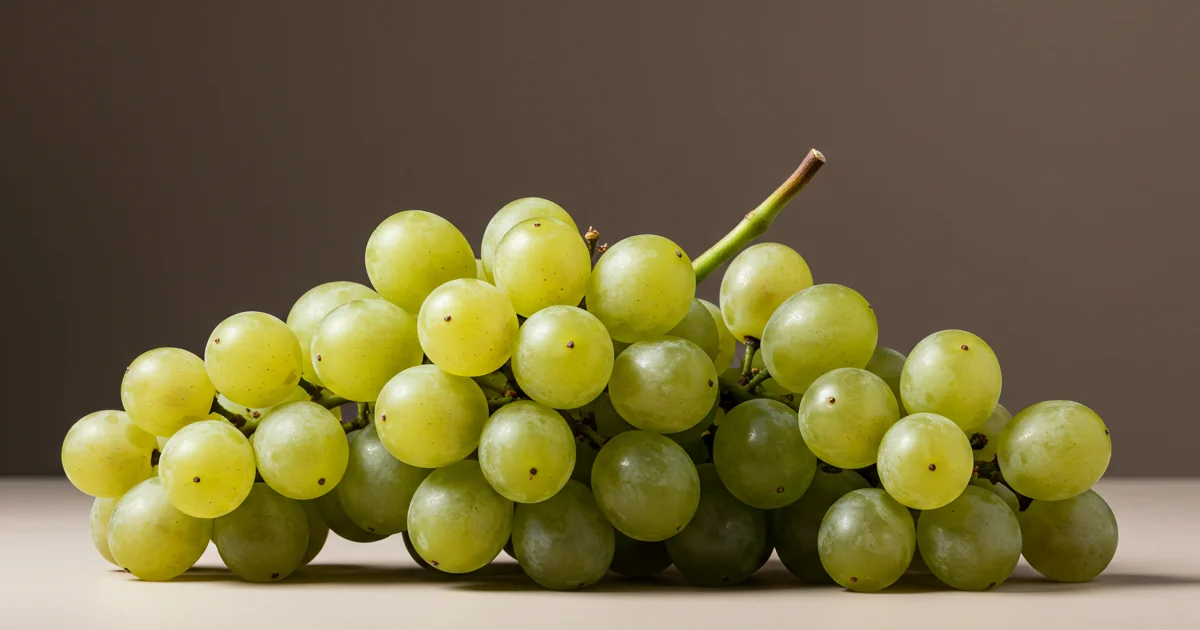
Riesling is a cool-climate white grape that preserves piercing acidity even when sugars climb, which is why the same cultivar can bottle dry Kabinett-style wines and dessert wines from noble rot or ice wine harvests. Aromatic intensity—citrus zest, stone fruit, and floral notes—arrives without needing new oak.
Steep slate Mosel slopes and Rheingau hillside sites remain the geographic benchmarks, while Alsace often ferments toward dry, weightier expressions. Clare and Eden Valleys in Australia show how warm days and cool nights still suit Riesling when elevation and aspect protect acidity.
Production favors early picking for sparkling or light dry wines and later picks for Spätlese through Trockenbeerenauslese richness. With bottle age, many Rieslings develop a distinctive petrol-like note from TDN compounds; cellar practice focuses on protecting primary fruit rather than reshaping it with barrels. Overlapping aromatic white drinkers often compare it with gewurztraminer for perfume density, though Riesling stays leaner and more acid-driven.
Metrics
| Global Plantings | 64 kha |
|---|---|
| Typical ABV | 11.5 % |
Descriptors
| Primary Color | White |
|---|---|
| Climate Affinity | Cool climate |
| Aromatic Profile | Lime, slate, petrol with age, white flowers |
| Key Regions | Mosel, Rheingau, Alsace, Clare Valley |
| Parentage | Likely Heunisch × Traminer-related lineage |
| Skin Character | Thick-skinned, late ripening, frost-hardy |
Frequently asked questions
Is Riesling always sweet?
No. Modern Riesling spans bone-dry to dessert-sweet; German and Australian dry styles are widely produced alongside classic residual-sugar bottlings.
Why does aged Riesling smell like petrol?
A compound known as TDN can emerge with bottle age, especially in warmer-vintage or sun-exposed fruit; it is a recognized aging note, not a fault when balanced.
Where is Riesling originally from?
Riesling is historically associated with the Rhine and Mosel regions of Germany, with centuries of documentation in German winegrowing areas.
Related in this catalog
-
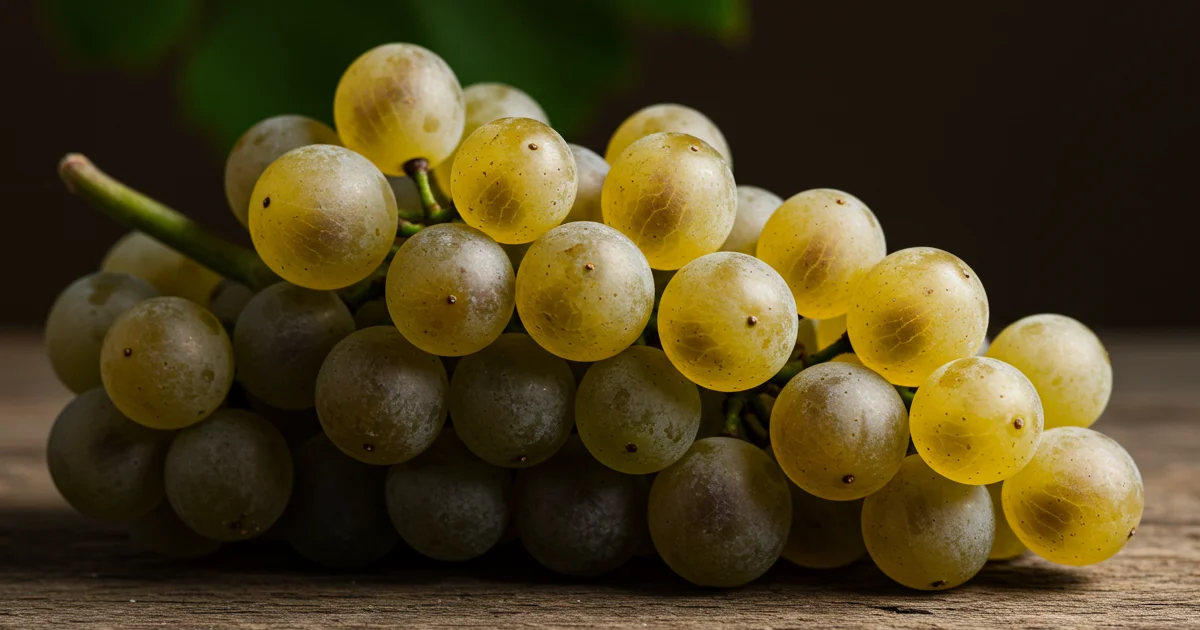
Airén
Airén is a drought-hardy white grape that long dominated Spain’s vineyard area, especially La Mancha. Once used mainly for bulk wine and brandy, it is being reshaped by modern cool fermentation into fresher everyday whites.
-
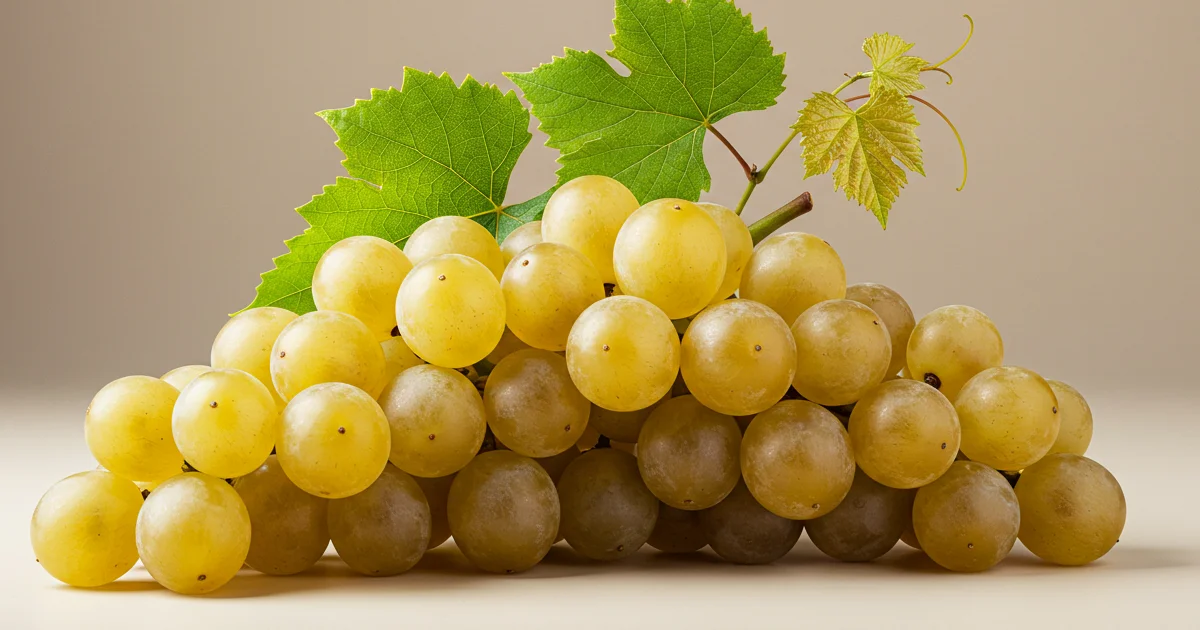
Chardonnay
Chardonnay is a green-skinned wine grape that yields still and sparkling white wines across cool and warm climates. Native to Burgundy, it is among the world’s most planted white varieties and adapts from lean Chablis styles to richer oak-fermented expressions.
-
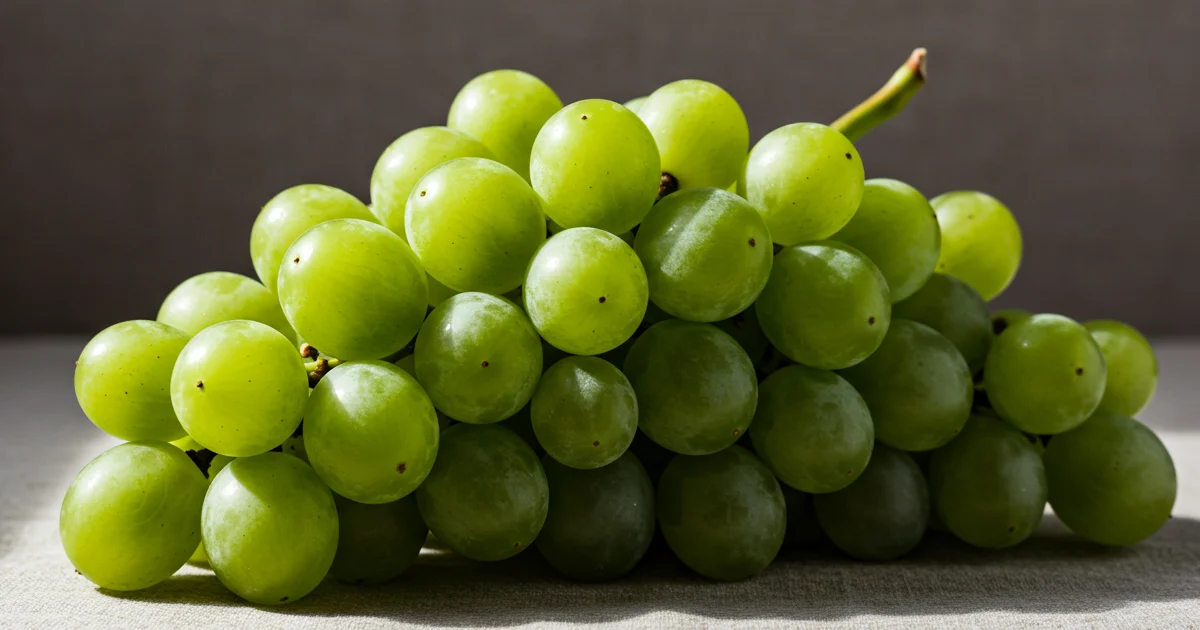
Sauvignon Blanc
Sauvignon Blanc is a green-skinned grape known for pungent herbaceous and tropical aromatics and crisp acidity. Loire appellations such as Sancerre and Pouilly-Fumé, plus New Zealand’s Marlborough, define its modern global reputation.
-
Pinot Gris
Pinot Gris (Pinot Grigio) is a Pinot Noir color mutation with grey-pink skins that produces white wines from light and crisp to rich and spicy. Alsace, northern Italy, and Oregon are leading quality centers.