
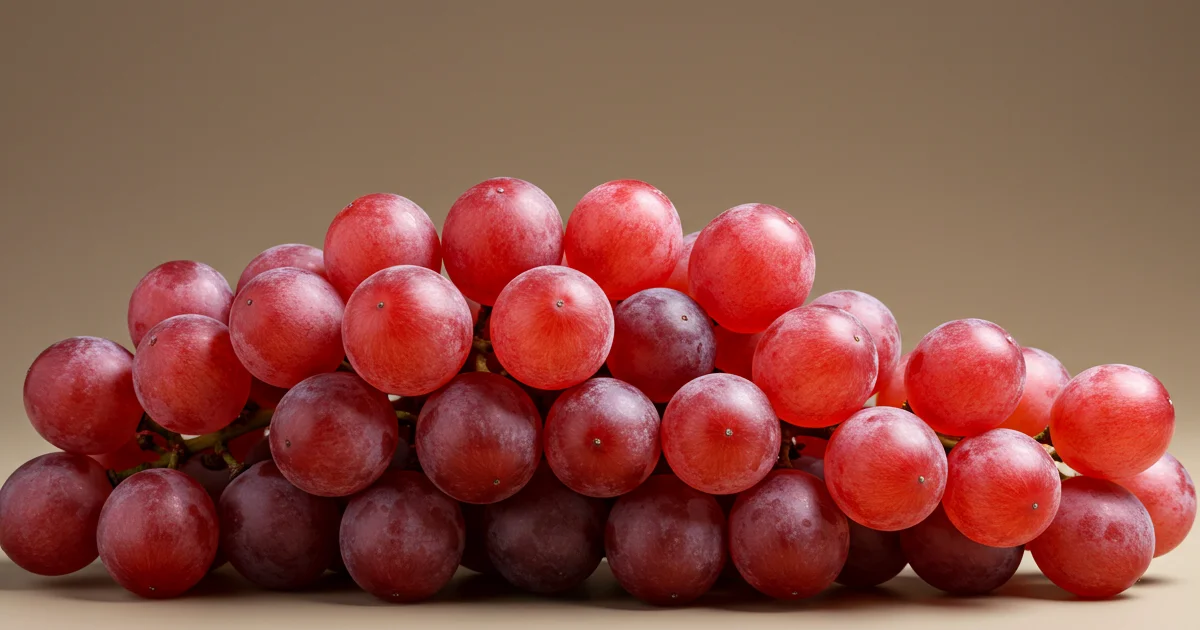
Gewürztraminer is among the most immediately recognizable aromatic whites: lychee, damask rose, and ginger leap from the glass even at modest residual sugar. Pink berry skins and low acidity define its sensory frame and its vineyard challenges.
Alsace grands crus on clay-limestone and volcanic soils set the benchmark, with Alto Adige and cooler New World pockets offering brighter takes. Early budding exposes it to spring frost; growers site it carefully compared with hardier riesling on the same hillsides.
Winemaking rarely seeks new oak; the goal is to capture perfume while managing phenolics from pink skins and keeping alcohol in check. Off-dry bottlings are common because a touch of sugar buffers low acidity, though serious dry Alsace examples exist when ripeness and site allow.
Metrics
| Global Plantings | 20 kha |
|---|---|
| Typical ABV | 13.5 % |
Descriptors
| Primary Color | White |
|---|---|
| Climate Affinity | Cool to moderate |
| Aromatic Profile | Lychee, rose petal, ginger, spice |
| Key Regions | Alsace, Alto Adige, New Zealand |
| Parentage | Aromatic mutation of Savagnin/Traminer family |
| Skin Character | Pink skins, early budding |
Frequently asked questions
What does Gewürztraminer smell like?
Classic notes include lychee, rose petal, and sweet spice; the perfume is intense even in dry wines.
Is Gewürztraminer sweet?
Often off-dry, but dry versions are made, especially in Alsace; sweetness is a stylistic choice layered on naturally low acidity.
How is it related to Traminer?
Gewürztraminer is the aromatic, usually pink-berried mutation within the broader Savagnin/Traminer family.
Related in this catalog
-
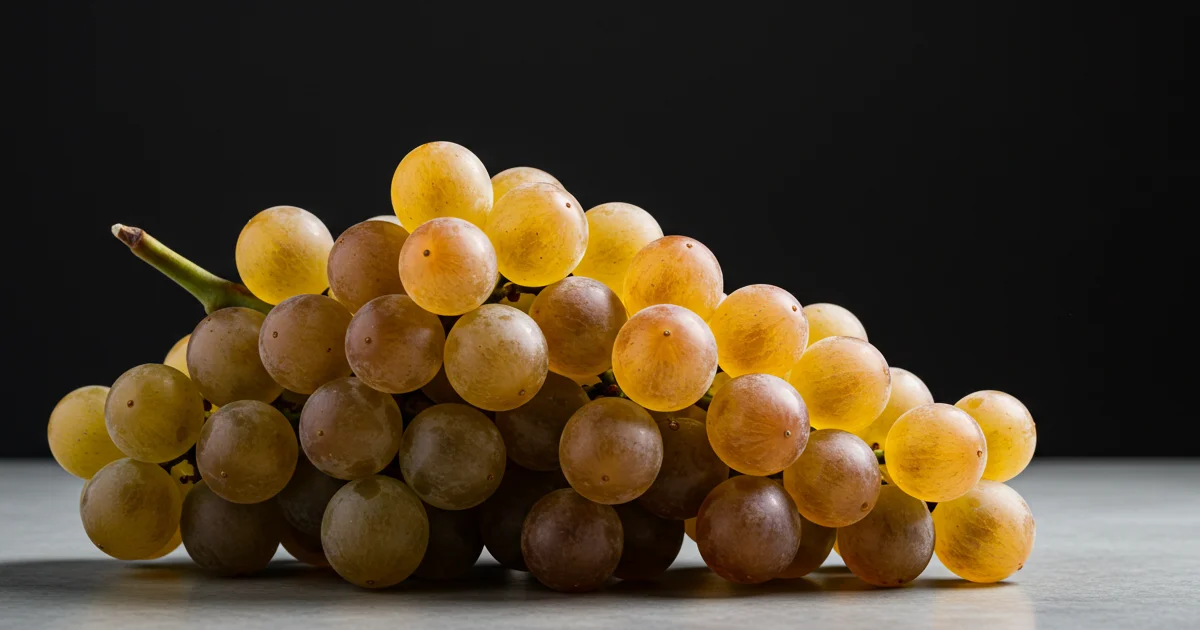
Viognier
Viognier is an aromatic white Rhône grape producing full-bodied wines with apricot, peach, and floral perfume. Condrieu is its tiny historic appellation; plantings have expanded modestly worldwide since the late twentieth century.
-
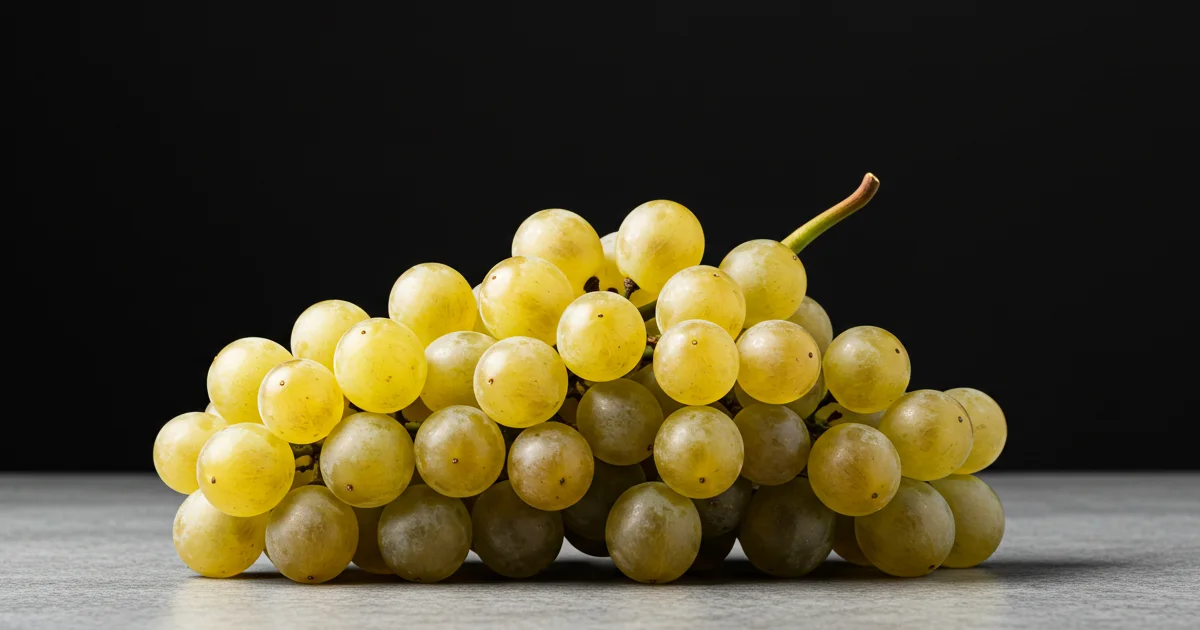
Sémillon
Sémillon is a golden-skinned Bordeaux grape central to dry Graves whites and sweet Sauternes, and to long-lived Hunter Valley wines in Australia. Thin skins make it especially receptive to noble rot in humid autumns.
-
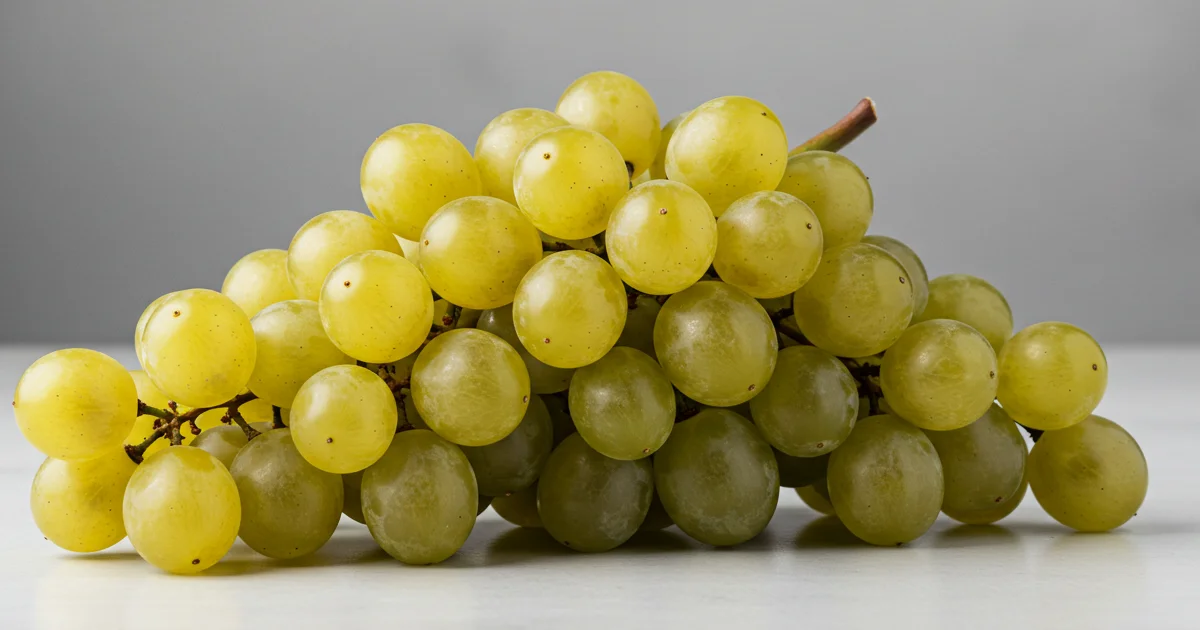
Albariño
Albariño (Alvarinho in Portugal) is a thick-skinned white grape from Galicia’s Rías Baixas and neighboring Vinho Verde. It yields aromatic, high-acid wines with citrus, peach, and Atlantic salinity.
-
Grüner Veltliner
Grüner Veltliner is Austria’s signature white grape, delivering peppery, citrus-driven wines from light Heuriger styles to monumental Smaragd bottlings. The Wachau, Kremstal, and Kamptal define its global reputation.