
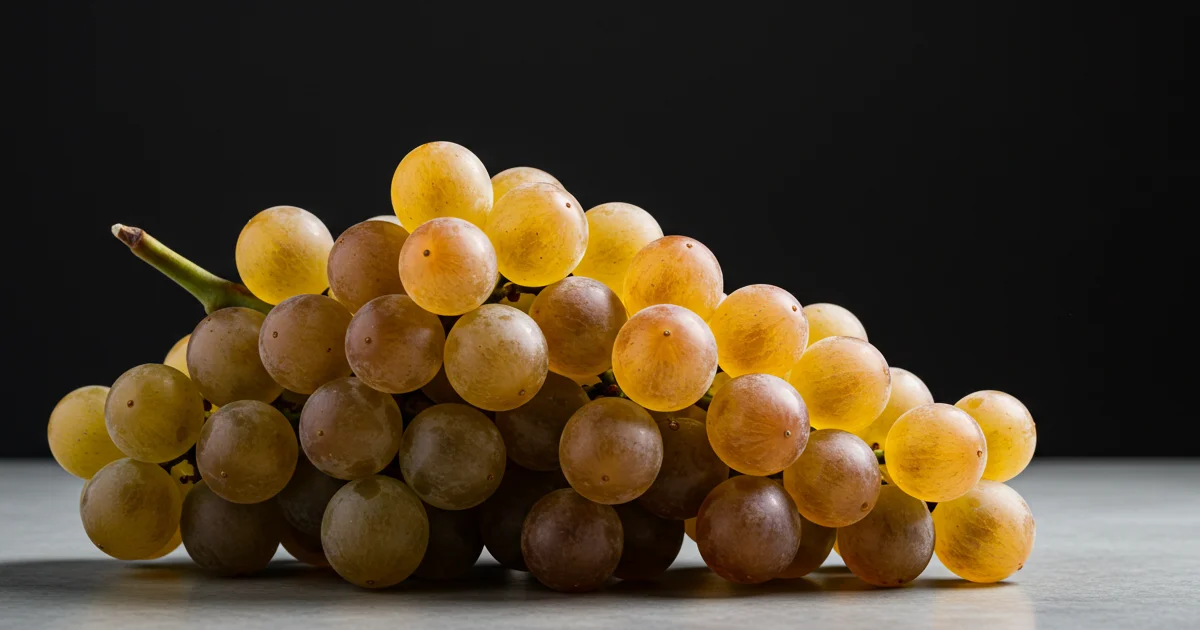
Viognier nearly vanished mid-century before Condrieu growers and New World adopters rebuilt acreage. The variety is naturally low-yielding in its northern Rhône home and develops stone-fruit and honeysuckle aromatics at relatively high potential alcohol.
Condrieu and Château-Grillet remain the geographic icons on granite terraces above the Rhône. Languedoc, California, and Australia supply more approachable volumes, sometimes co-fermenting small percentages of Viognier with Syrah—a Côte-Rôtie tradition that softens color and lifts aroma.
Production challenges include preserving aroma while managing oiliness and alcohol; early picking keeps freshness but can mute perfume, while late picking risks flabbiness. Compared with muscat, Viognier is less overtly grapey and more peach-floral, and it usually sees less residual sugar in serious bottlings.
Metrics
| Global Plantings | 16 kha |
|---|---|
| Typical ABV | 13.5 % |
Descriptors
| Primary Color | White |
|---|---|
| Climate Affinity | Warm temperate |
| Aromatic Profile | Apricot, peach, honeysuckle, spice |
| Key Regions | Northern Rhône, Languedoc, California, Australia |
| Parentage | Rhône lineage; related to Mondeuse Blanche in studies |
| Skin Character | Thick skins, low yields historically |
Frequently asked questions
What is Condrieu?
Condrieu is a small northern Rhône appellation dedicated to Viognier, considered the variety’s historic quality benchmark.
Why is Viognier full-bodied?
It often ripens to high sugar levels and has relatively low acidity, yielding richer texture and higher alcohol than cool-climate whites.
Is Viognier only used for white wine?
Primarily yes, though tiny amounts may be co-fermented with Syrah for red blends in Côte-Rôtie and elsewhere.
Related in this catalog
-
Pinot Gris
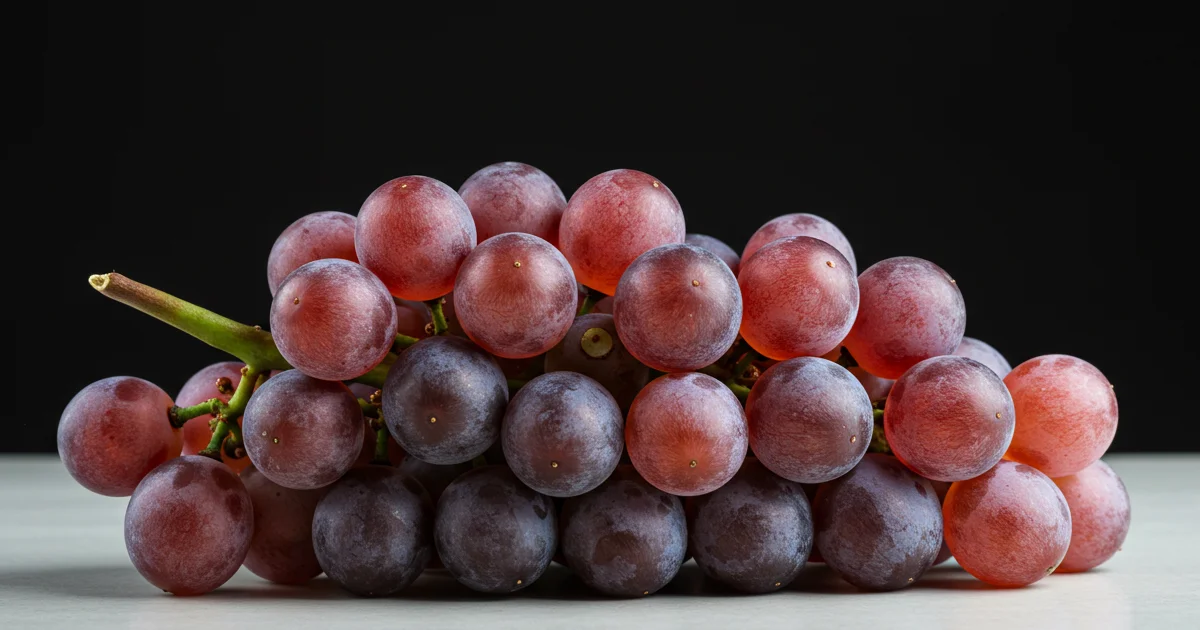
Pinot Gris (Pinot Grigio) is a Pinot Noir color mutation with grey-pink skins that produces white wines from light and crisp to rich and spicy. Alsace, northern Italy, and Oregon are leading quality centers.
-
Chenin Blanc
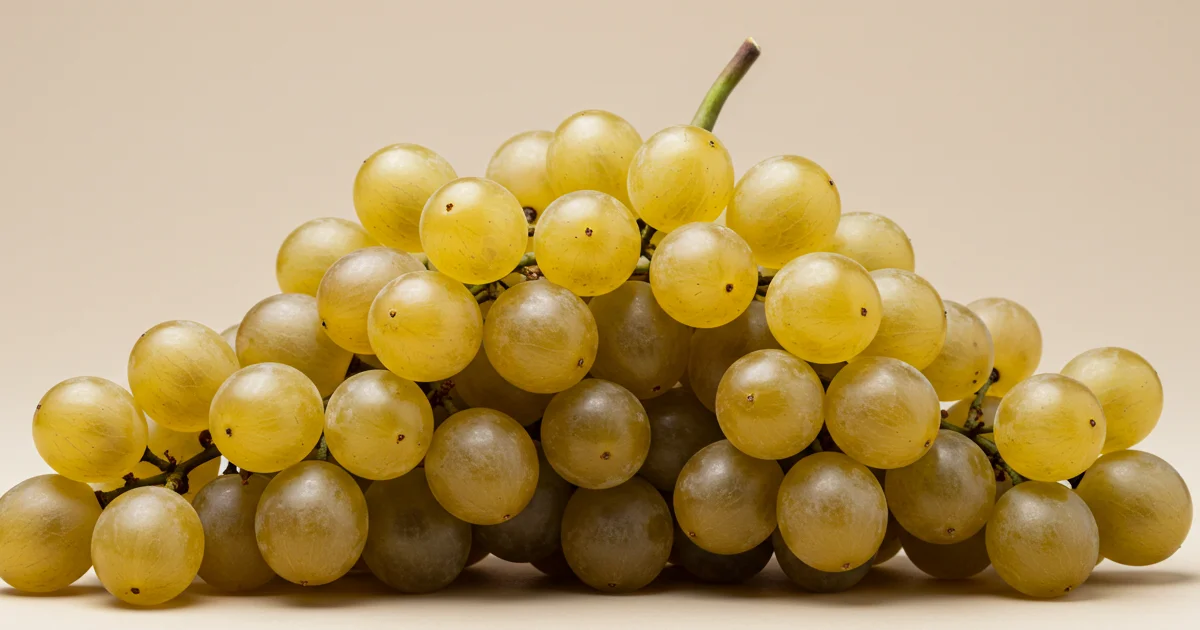
Chenin Blanc is a versatile white grape with naturally high acidity, supporting dry, off-dry, sparkling, and sweet wines. The Loire Valley is its historic home; South Africa holds the largest modern plantings.
-
Sémillon
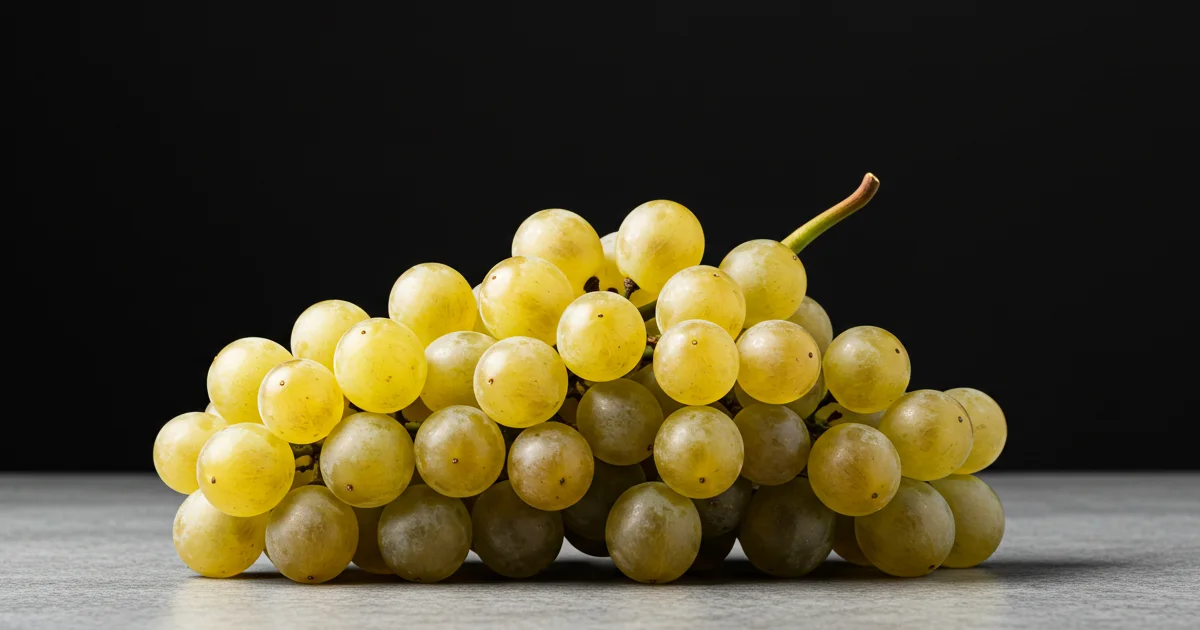
Sémillon is a golden-skinned Bordeaux grape central to dry Graves whites and sweet Sauternes, and to long-lived Hunter Valley wines in Australia. Thin skins make it especially receptive to noble rot in humid autumns.
-
Gewürztraminer
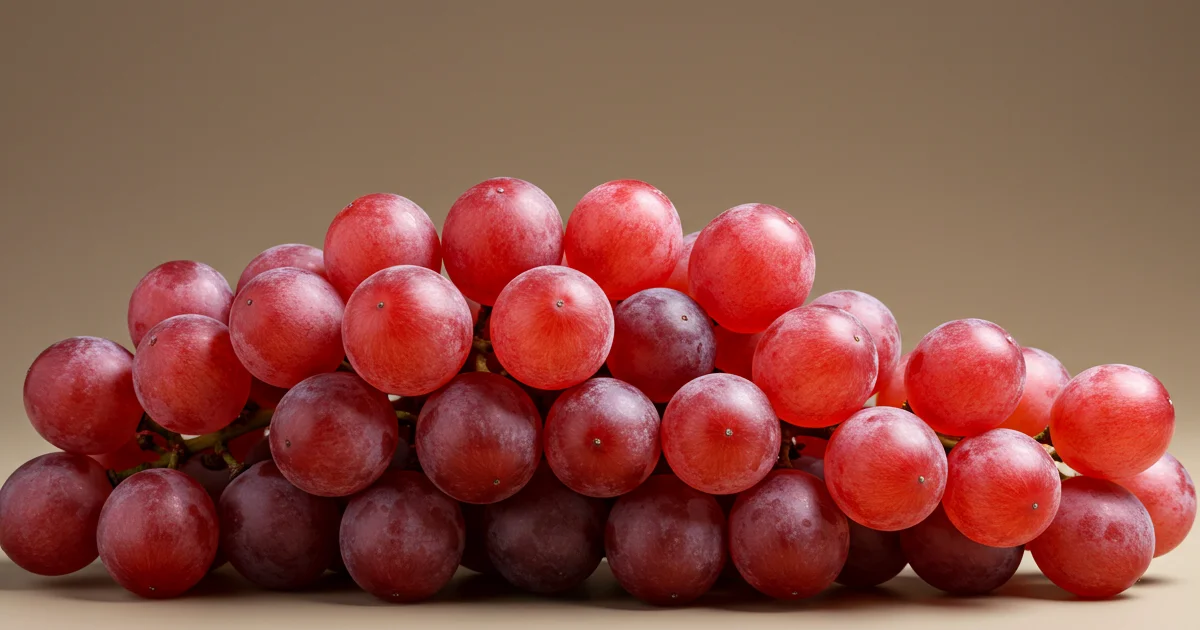
Gewürztraminer is a pink-skinned aromatic grape producing deeply perfumed whites with lychee, rose, and spice notes. Alsace is its quality capital; the name signals the “spiced” (gewürz) Traminer mutation.