
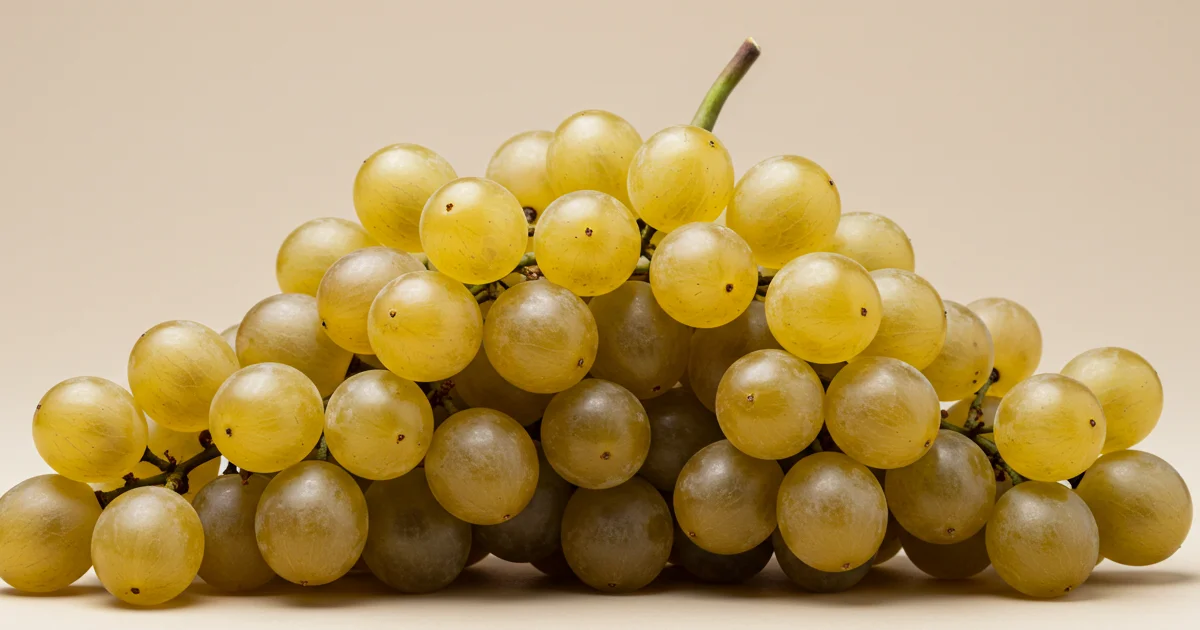
Chenin Blanc’s hallmark is resilient acidity that survives warm days and late hanging, letting producers craft bone-dry Anjou and Savennières wines as well as honeyed Vouvray and Quarts de Chaume dessert styles. Aromas run from green apple and quince to chamomile and beeswax with age.
In the Loire, tuffeau limestone and varied mesoclimates shape minerality; in South Africa, old bush vines in Stellenbosch and Swartland supply concentrated dry Chenin that revived the cultivar’s global image. Sparkling Crémant de Loire frequently leans on Chenin for backbone.
Cellars may use amphora, neutral oak, or stainless steel; the grape’s structure tolerates oxidative handling better than more fragile aromatics such as sauvignon blanc. Careful yield control prevents dilution—Chenin can crop heavily if left unchecked, which historically hurt its reputation in bulk regions.
Metrics
| Global Plantings | 35 kha |
|---|---|
| Typical ABV | 12.5 % |
Descriptors
| Primary Color | White |
|---|---|
| Climate Affinity | Cool to warm temperate |
| Aromatic Profile | Quince, apple, honey, chamomile |
| Key Regions | Loire Valley, South Africa |
| Parentage | Likely related to Savagnin group (debated) |
| Skin Character | Thick skins, high natural acidity |
Frequently asked questions
Where is Chenin Blanc most planted?
South Africa has the largest surface area; the Loire Valley remains the historic and stylistic reference for European Chenin.
Can Chenin Blanc be sparkling?
Yes. It is a key variety in Crémant de Loire and appears in other traditional-method sparkling wines.
Is Chenin Blanc sweet or dry?
Both. Loire labeling and producer style determine residual sugar; many modern South African examples are dry.
Related in this catalog
-
Sauvignon Blanc
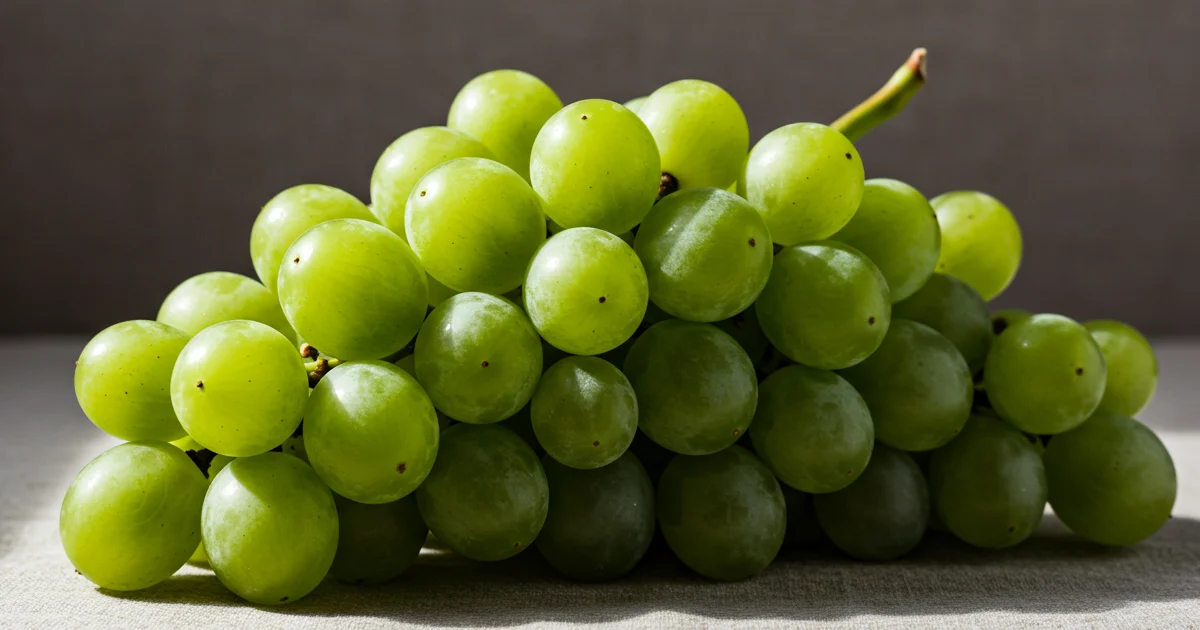
Sauvignon Blanc is a green-skinned grape known for pungent herbaceous and tropical aromatics and crisp acidity. Loire appellations such as Sancerre and Pouilly-Fumé, plus New Zealand’s Marlborough, define its modern global reputation.
-
Pinot Gris
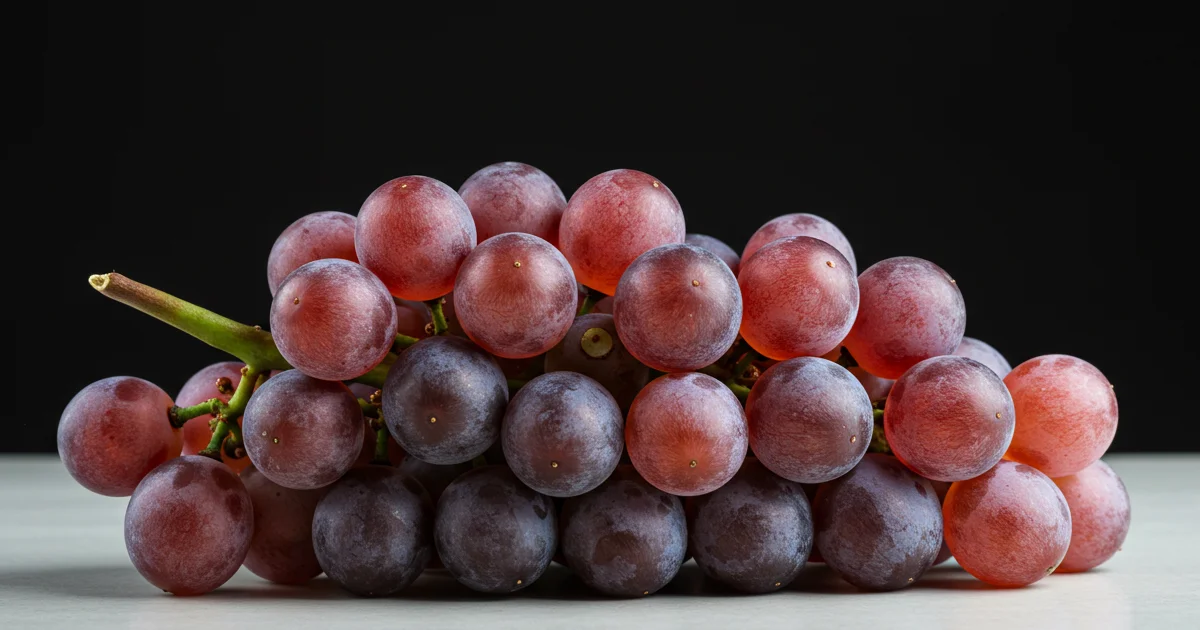
Pinot Gris (Pinot Grigio) is a Pinot Noir color mutation with grey-pink skins that produces white wines from light and crisp to rich and spicy. Alsace, northern Italy, and Oregon are leading quality centers.
-
Viognier
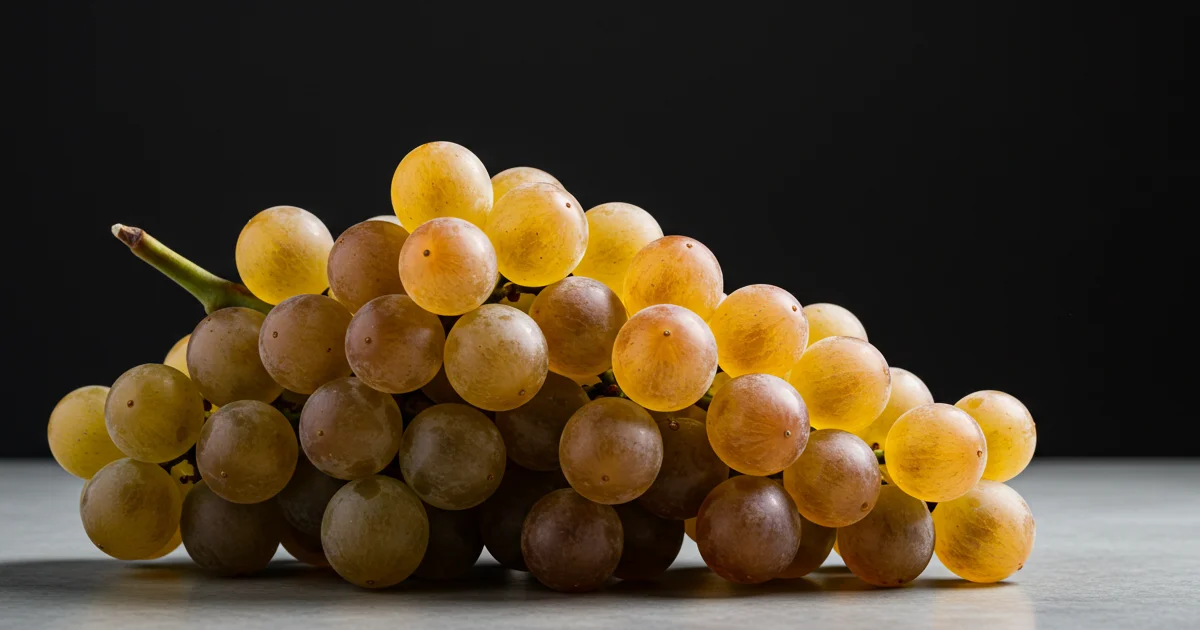
Viognier is an aromatic white Rhône grape producing full-bodied wines with apricot, peach, and floral perfume. Condrieu is its tiny historic appellation; plantings have expanded modestly worldwide since the late twentieth century.
-
Sémillon
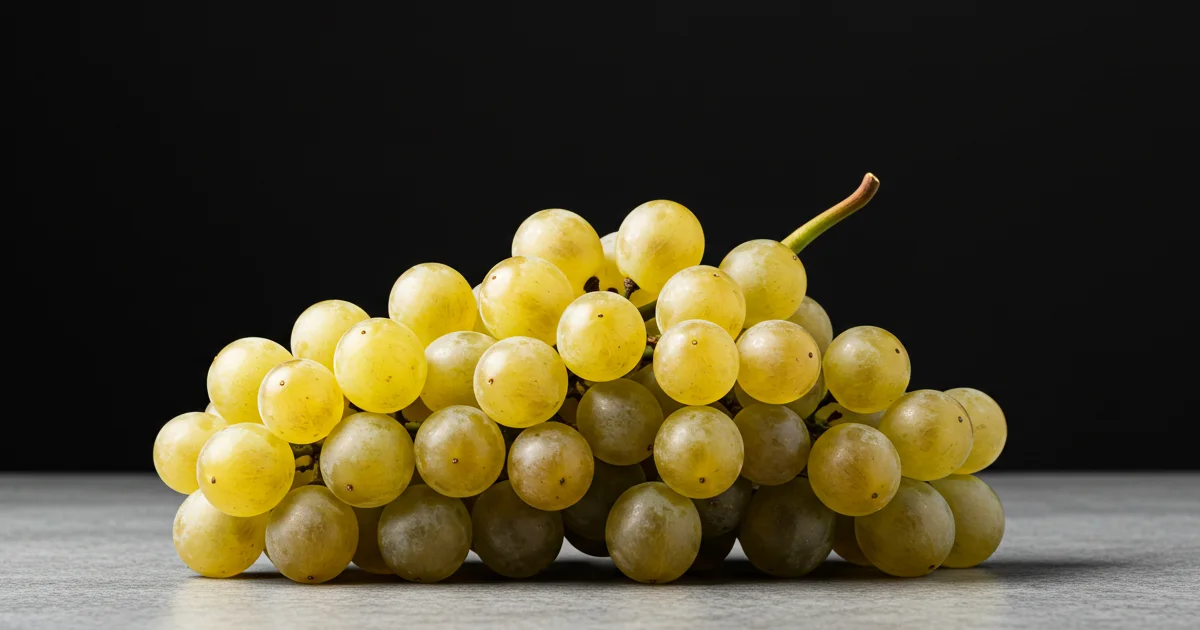
Sémillon is a golden-skinned Bordeaux grape central to dry Graves whites and sweet Sauternes, and to long-lived Hunter Valley wines in Australia. Thin skins make it especially receptive to noble rot in humid autumns.